
Statehood – Omar Abdullah Calls Restoration the First Step Toward Constitutional Rights
Statehood – Jammu & Kashmir Chief Minister Omar Abdullah on Tuesday reiterated that restoring statehood remains the most important step toward addressing the constitutional concerns of the Union Territory. Speaking in Srinagar, he said the National Conference’s recent demonstration in New Delhi marked the beginning of a wider campaign aimed at ensuring that the Centre fulfills its commitment on statehood. According to Abdullah, the issue goes beyond party politics and reflects the aspirations of the people of Jammu and Kashmir.
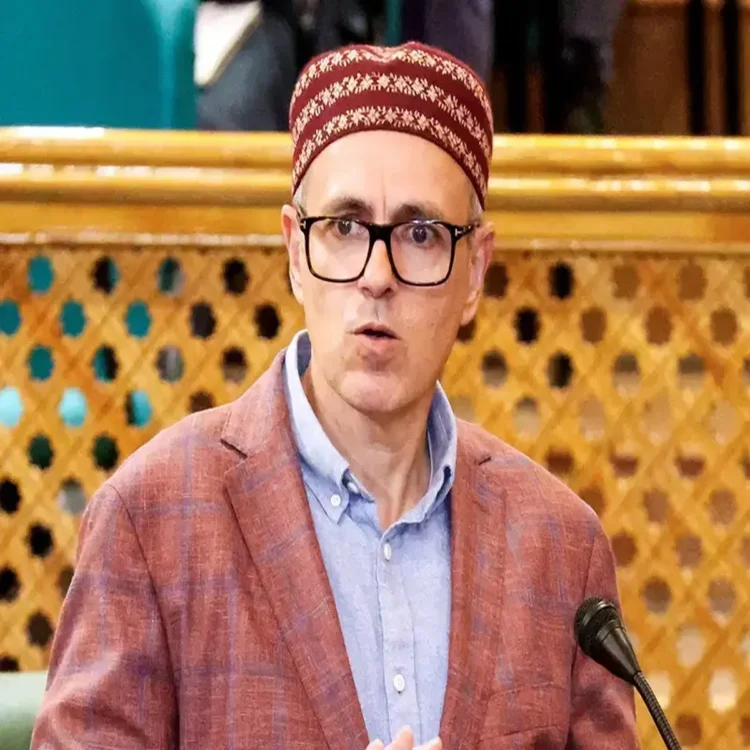
Omar Abdullah Highlights Centre’s Commitment
Addressing reporters after returning from Delhi, Omar Abdullah said the Union government had publicly assured the restoration of statehood on multiple occasions, including in Parliament and during proceedings before the Supreme Court. He stated that the protest held in the national capital was intended to remind the Centre of those commitments rather than to create political confrontation.
The Chief Minister maintained that the promises made regarding Jammu and Kashmir should be implemented without unnecessary delay. He emphasized that the demand was rooted in assurances already placed on official record and therefore deserved timely action.
Protest Described as the Beginning of a Larger Campaign
Omar Abdullah made it clear that the Delhi demonstration should not be viewed as a one-time event. Instead, he described it as the first phase of a broader movement that the National Conference plans to continue until statehood is restored.
He said the campaign would remain focused on constitutional and democratic methods. According to him, restoring full statehood is an issue that affects governance, public administration, and the political rights of the people living in Jammu and Kashmir.
Appeal for Political Unity Across Jammu and Kashmir
The Chief Minister revealed that the National Conference had invited political parties from across Jammu and Kashmir to participate in the Delhi protest. He said the objective was to present a united voice on an issue that concerns the entire region instead of any individual political organization.
However, Abdullah expressed disappointment over the response from several opposition parties. He alleged that instead of supporting the initiative, some political groups chose to criticize the protest and question its intent. Such reactions, he said, weakened the collective effort to press for a common constitutional objective.
Criticism of Opposition Response
Commenting on the political reactions following the demonstration, Omar Abdullah said he was not particularly concerned about how the Central government viewed the protest. His greater disappointment, he noted, was directed toward political parties within Jammu and Kashmir that frequently claim to represent public interests but did not stand together on the issue of statehood.
According to Abdullah, moments involving the constitutional future of the region require cooperation among political stakeholders rather than attempts to undermine one another. He argued that broader unity would strengthen the demand before the Centre.
Statehood Linked to Future Constitutional Questions
Responding to criticism from several Kashmir-based opposition leaders who argued that the National Conference should focus first on the restoration of Article 370, Abdullah defended his party’s position. He maintained that regaining statehood is the necessary foundation before pursuing other constitutional matters.
He said the restoration of statehood would provide an appropriate institutional framework for addressing broader political and constitutional issues affecting Jammu and Kashmir. In his view, achieving that objective first would create stronger conditions for future discussions on other long-standing concerns.
The debate over Jammu and Kashmir’s constitutional status has remained a significant political issue since the region was reorganized into a Union Territory in 2019. As political parties continue to present differing approaches, the demand for restoring statehood is expected to remain at the centre of public and political discussions in the coming months.