
Social Media Law – Kejriwal Alleges New Rules Could Restrict Online Government Criticism
Social Media Law –Aam Aadmi Party (AAP) national convenor Arvind Kejriwal on Friday accused the Central government of introducing a social media law that, according to him, could curb online criticism of the ruling administration. Speaking to party supporters, the former Delhi Chief Minister alleged that the new provisions would allow the government to direct social media platforms to remove specific content within a short timeframe. The Centre has not responded to the allegations made during his address.
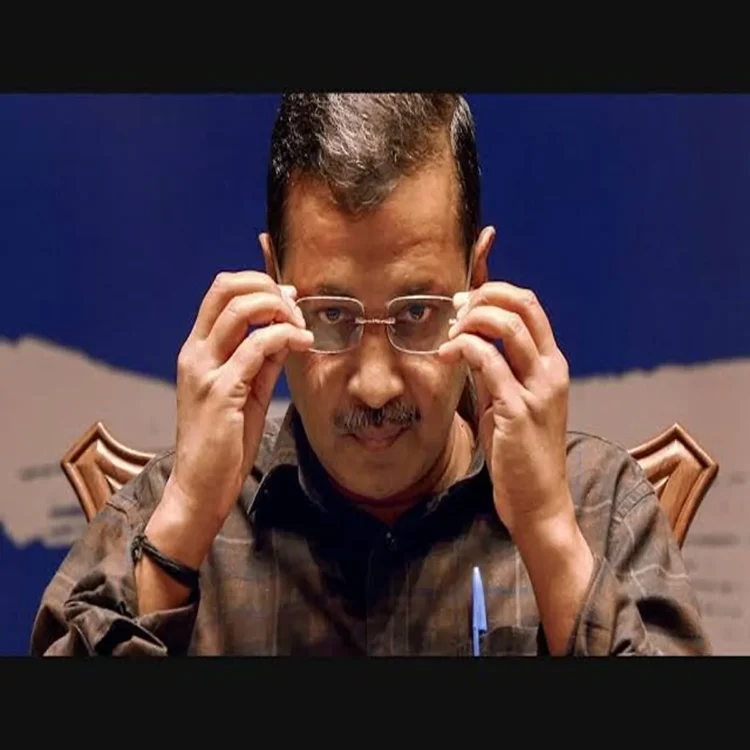
Kejriwal Raises Concerns Over Content Removal
During his speech, Kejriwal claimed that social media companies, including platforms such as Instagram and Facebook, would be required to delete posts or videos identified by the government within three hours. He argued that such a provision could significantly affect the ability of citizens to express criticism on public issues through digital platforms.
According to Kejriwal, the proposed mechanism would create an environment where online discussions critical of government policies could be removed quickly, reducing opportunities for public debate on matters of national interest.
Claims Linked to Public Issues
The AAP leader further alleged that content related to issues such as examination paper leaks, the ethanol policy and corruption could become vulnerable to removal if it questioned the government. He also claimed there was an imbalance in the way different types of online content were treated.
Kejriwal alleged that while criticism directed at the government could face swift action under the new framework, abusive posts or content targeting women allegedly shared by individuals linked to the ruling establishment often did not receive the same level of scrutiny. These remarks were made during his public address and have not been independently verified.
Remarks on Recent Public Protests
Referring to recent demonstrations, including protests at Jantar Mantar, Kejriwal claimed that the government had become increasingly concerned about growing public participation, particularly among young people. He alleged that the recent wave of protests had reflected rising public dissatisfaction and suggested that attempts to regulate online expression were connected to that trend.
The former Chief Minister also stated that the government should focus on addressing concerns raised by citizens instead of restricting criticism on digital platforms.
Calls for Greater Public Engagement
Kejriwal argued that governments earn public support through effective governance rather than by limiting dissent. He maintained that people would naturally acknowledge positive work if they believed policies were delivering results.
According to him, responding to public concerns through dialogue and policy measures would be more effective than attempting to reduce criticism on social media. He said that suppressing opposing views could increase dissatisfaction instead of resolving underlying issues.
Political Message During Public Address
Continuing his remarks, Kejriwal claimed that administrations which become disconnected from public opinion eventually face political consequences. He argued that democratic governments should remain open to criticism and public feedback, describing free expression as an important part of the democratic process.
His comments come amid continuing political exchanges between the AAP and the Bharatiya Janata Party on governance, digital regulation and public accountability. The allegations made by Kejriwal represent his party’s position, while the Central government had not issued an immediate response to his specific claims at the time of his speech.