
SEOKeyword – Parliamentary Panel Reviews Make in India Strategy and Digital Growth
SEOKeyword – The Parliamentary Standing Committee on Communications and Information Technology has reviewed key issues linked to India’s manufacturing ambitions, employment generation, digital infrastructure, and consumer protection. During its latest meeting, committee members discussed measures that could further strengthen the government’s Make in India initiative while improving India’s position in global markets.
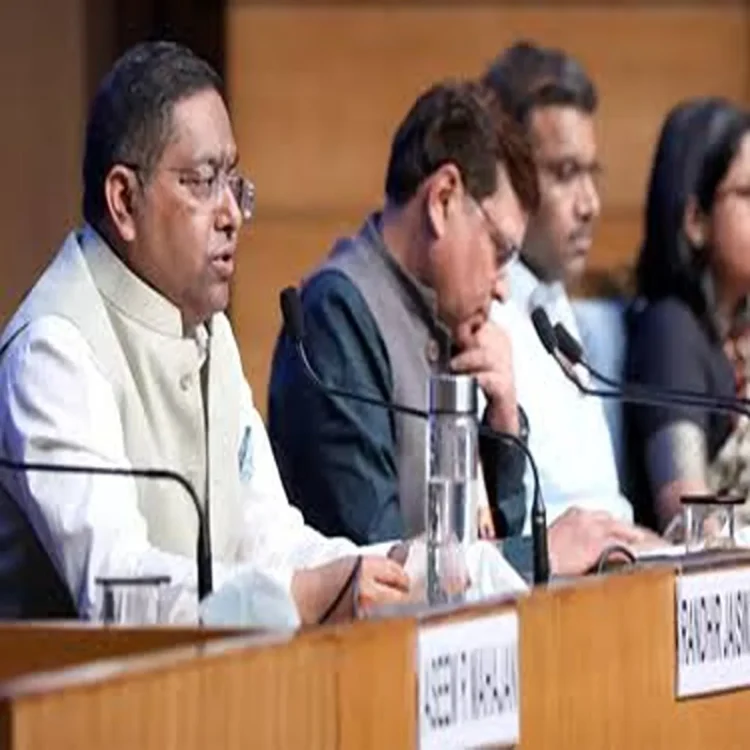
Focus on Expanding the Make in India Vision
Speaking after the committee meeting on Thursday, BJP MP and committee chairperson Nishikant Dubey said the discussions primarily revolved around advancing the Make in India programme. According to him, the initiative has played an important role in promoting domestic manufacturing and encouraging investment since its launch. He also highlighted the need to create additional employment opportunities while expanding India’s participation in international markets.
Dubey praised the Union government’s earlier decision not to join the Information Technology Agreement-2 (ITA-2) in 2015. He stated that the move was aimed at protecting India’s domestic manufacturing sector and ensuring that national economic interests remained a priority during international trade negotiations.
Manufacturing Initiative Continues to Receive Attention
The Make in India campaign, launched on September 25, 2014, was designed to attract investment, encourage innovation, strengthen manufacturing capabilities, and position India as a global production hub. Over the years, the initiative has remained a central part of the country’s industrial development strategy, with continued emphasis on boosting local production and creating new business opportunities.
Committee members examined ways to further support these objectives while considering the broader impact on employment and economic growth.
Earlier Review of Prasar Bharati Operations
The parliamentary committee has been examining several important issues related to the communications and broadcasting sectors in recent months. On June 17, members received a detailed briefing from officials of the Ministry of Information and Broadcasting regarding the functioning of Prasar Bharati. The review focused on assessing the organisation’s operational framework and ongoing activities.
Such discussions form part of the committee’s regular oversight responsibilities, allowing members to evaluate the performance of government institutions and recommend improvements where necessary.
Telecom Consumer Rights Also Under Examination
During another meeting held last month, representatives from the Department of Telecommunications and the Telecom Regulatory Authority of India (TRAI) briefed the committee on service quality standards and consumer protection measures within the telecom sector. A significant part of the discussion centred on the principle of net neutrality and its importance for internet users across the country.
The committee explored whether telecom service providers or digital platforms were offering preferential treatment to certain groups of users, including post-paid subscribers or customers paying for premium online services.
Equal Internet Access Highlighted
Addressing the issue of net neutrality, Nishikant Dubey stressed that equal access to internet services should remain a fundamental principle. He said every internet user in India deserves fair treatment under consumer protection laws without discrimination based on subscription type or payment status.
According to Dubey, the committee is examining whether all citizens are receiving equal digital access in line with the constitutional principle of equality. He emphasised that safeguarding consumer rights and ensuring a level playing field for all internet users remain important priorities as India’s digital ecosystem continues to expand.