
Road Infrastructure – Delhi Approves ₹658 Crore Plan to Upgrade Roads Across Capital
Road Infrastructure – The Delhi government has cleared a large-scale investment aimed at improving road infrastructure across the national capital, approving projects valued at ₹657.99 crore to strengthen more than 270 kilometres of roads. The decision was taken during a meeting of the Expenditure Finance Committee chaired by Chief Minister Rekha Gupta, with officials stating that the initiative is expected to enhance road quality, improve safety, and increase the durability of major routes across the city.
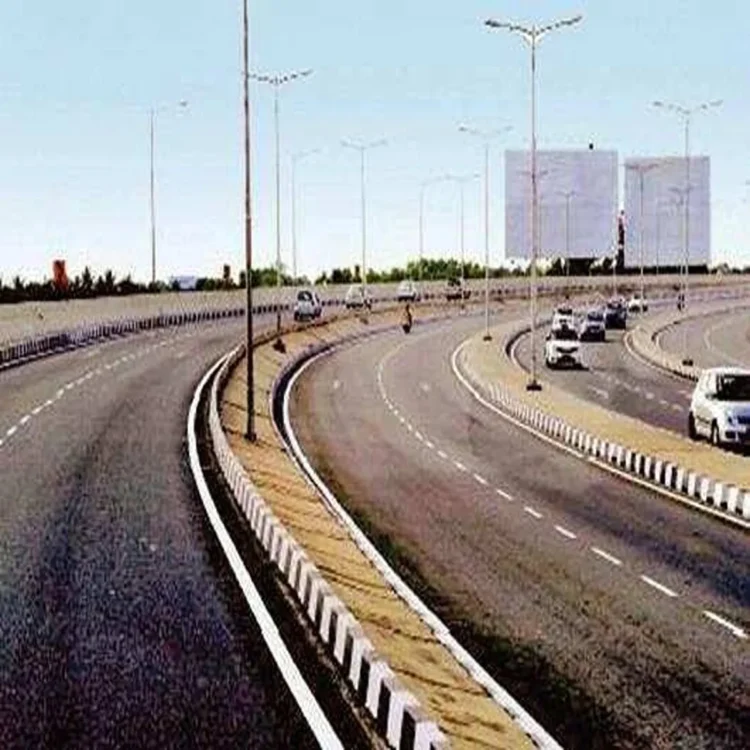
Large Investment for Road Improvement
The approved funding will be used to upgrade roads in multiple parts of Delhi through a structured zone-wise implementation strategy. Authorities said the initiative is intended to bring key road corridors up to modern engineering standards while ensuring better travel conditions for commuters. The government believes the project will contribute to long-term improvements in the city’s transportation network by focusing on stronger and more reliable road surfaces.
Funds Distributed Across Three Maintenance Zones
According to the approved plan, the East Maintenance Zone will receive ₹147.08 crore for strengthening 58.292 kilometres of roads. The North Maintenance Zone has been allocated ₹247.31 crore to upgrade 104.42 kilometres, while the South Maintenance Zone will receive ₹263.61 crore for work covering 107.92 kilometres. Officials explained that carrying out the work on a zone-wise basis is expected to improve coordination and streamline project execution.
Modern Engineering Methods to Be Used
The road improvement programme will include several advanced construction techniques designed to enhance both quality and durability. Planned work includes cold milling of existing road surfaces, laying Dense Bituminous Macadam (DBM) and Bituminous Concrete (BC), applying tack coats, installing road markings and road furniture, and carrying out kerb channel construction. These measures are intended to improve driving safety while extending the service life of the upgraded roads.
New Tendering Model Introduced
Chief Minister Rekha Gupta said the government is replacing the traditional road-by-road tendering process with a zone-wise composite tendering system for the first time. According to her, this revised approach is expected to simplify project management, improve monitoring, and strengthen quality control throughout construction. It is also designed to encourage better use of modern equipment and technology while increasing accountability for contractors responsible for post-construction maintenance.
Focus on Quality and Accountability
The government has also introduced additional measures to ensure transparency and long-term performance of the completed roads. Every project will include a five-year Defect Liability Period, under which contractors will remain responsible for addressing construction-related issues. Officials stated that if potholes appear during this period, repairs must be completed within 48 hours to maintain road safety and minimise inconvenience for commuters.
Monitoring and Independent Quality Checks
Project progress will be tracked regularly through the GSDL/DPMG portal, where geo-tagged photographs will be uploaded before, during, and after construction. In addition, independent quality inspections will be conducted by CSIR-CRRI and the School of Planning and Architecture to verify that work meets the required standards. The Chief Minister said the government aims to complete the entire road strengthening programme by October, ensuring that the upgraded infrastructure is ready within the planned timeline.