
Politics – Harivansh Set for Third Term as Rajya Sabha Deputy Chairman
Politics – Amid a growing standoff between the government and Opposition parties, journalist-turned-politician Harivansh is poised to secure a third consecutive term as Deputy Chairman of the Rajya Sabha. The election, scheduled for April 17, is expected to conclude without contest as Opposition groups have opted to boycott the process.
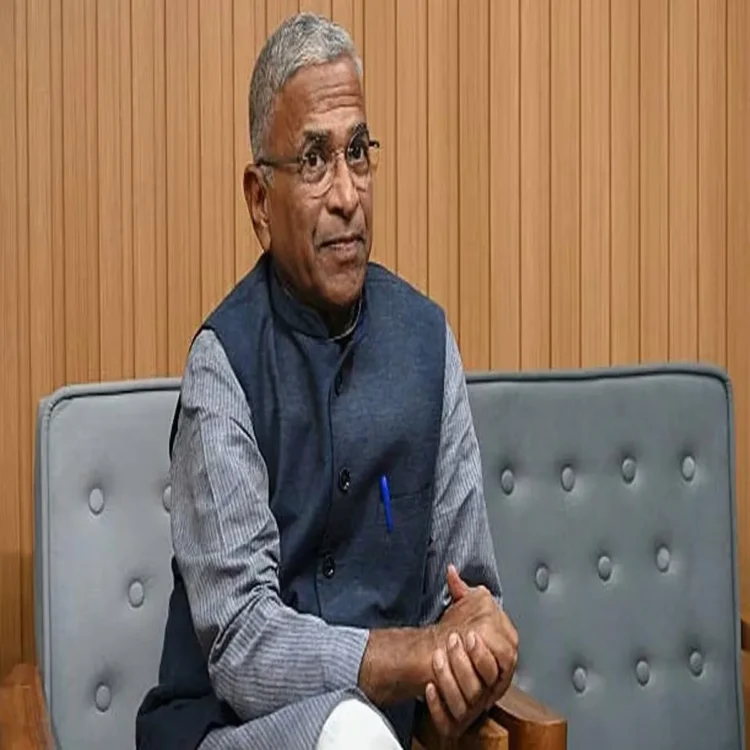
Uncontested Election Likely Amid Boycott
Harivansh, aged 69, was recently re-nominated to the Upper House by the President and took oath on April 10. On the same day, former Bihar Chief Minister Nitish Kumar also assumed office as a Rajya Sabha member, marking a significant moment in the House’s current tenure.
With the National Democratic Alliance holding a comfortable majority and no rival candidate nominated, Harivansh’s continuation in the post appears assured. The absence of electoral competition makes it highly likely that the decision will be finalized through a voice vote during proceedings.
Formal Procedure and Nomination Process
According to parliamentary procedure, multiple motions supporting Harivansh’s name have already been submitted to the Rajya Sabha Secretariat. A total of five notices proposing his candidacy were received within the designated timeframe.
Each motion will be presented and seconded sequentially in the House. Once any one of these motions is adopted, the remaining proposals automatically become redundant. Following the vote, it is customary for members from both the ruling and Opposition benches to escort the newly elected Deputy Chairman to the Chair, symbolizing institutional continuity.
Opposition Raises Concerns Over Process
Despite the procedural clarity, Opposition parties have strongly objected to the manner in which the election is being conducted. Senior Congress leader Jairam Ramesh has been vocal in expressing dissatisfaction, linking the boycott to broader concerns about parliamentary functioning.
He pointed out that the government has not appointed a Deputy Speaker in the Lok Sabha for several years, calling the situation unprecedented. According to him, this reflects a disregard for established parliamentary conventions.
Ramesh also questioned the decision to field a nominated member for the Deputy Chairman’s position, stating that such a move lacks historical precedent. He emphasized that the boycott is intended as a symbolic protest rather than a personal criticism of Harivansh, whom he described as a respected figure.
Lack of Consultation Becomes Key Issue
Another major point of contention raised by Opposition leaders is the alleged absence of meaningful dialogue with them before proceeding with the election. Ramesh noted that no serious consultations were held to build consensus, which has traditionally been an important aspect of selecting key parliamentary office-bearers.
Opposition parties, including the Congress, Trinamool Congress, and Left groups, have collectively decided to stay away from the process, citing these concerns. Their stance highlights the widening gap between the government and Opposition on institutional matters.
Government Pushes Ahead with Support
On the government’s side, efforts have been made to secure broader backing for Harivansh’s re-election. Leader of the House J P Nadda has reportedly reached out to various political parties in an attempt to ensure a smooth and widely supported outcome.
However, these outreach efforts have not succeeded in bringing Opposition parties on board. Despite this, the ruling alliance remains confident of proceeding with the election, given its numerical strength in the Upper House.
A Continuation Marked by Political Tension
While Harivansh’s re-election appears to be a procedural certainty, the surrounding political climate underscores deeper disagreements over parliamentary practices and conventions. The boycott by Opposition parties serves as a reminder of ongoing tensions, even as the House moves forward with its scheduled business.
The outcome of the election is unlikely to alter the immediate balance of power, but it may continue to fuel debate over institutional norms and the role of consensus in parliamentary democracy.