
Politics – Bengal Power Shift Sparks Mixed Reactions Among Delhi Residents
Politics – As the political landscape in West Bengal undergoes a significant shift, reactions from Bengalis living in Delhi-NCR reveal a mix of relief, concern, and cautious optimism.
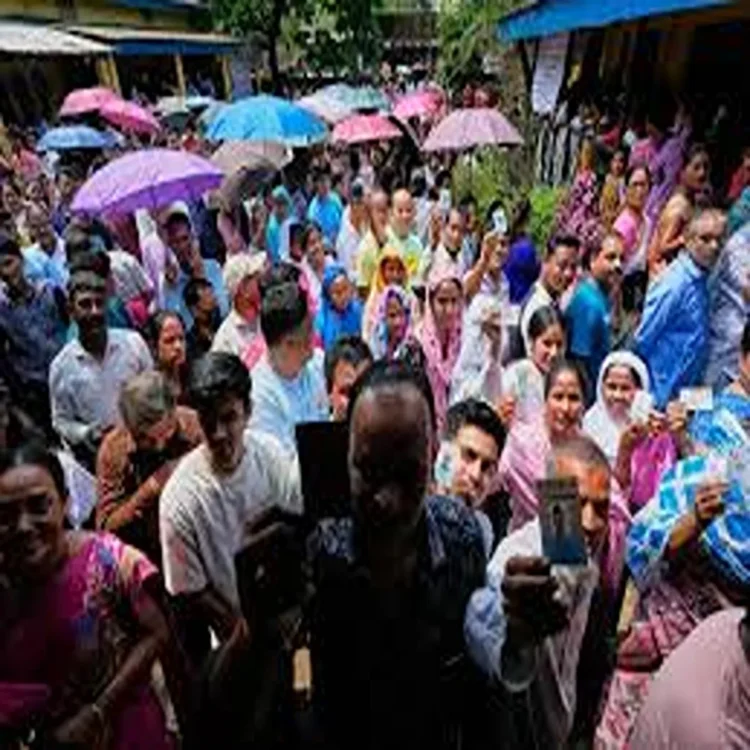
The recent electoral outcome in West Bengal has drawn varied responses from members of the Bengali community residing in Delhi and its surrounding regions. For many, the change in leadership marks a turning point shaped by governance concerns, while others see it as an opportunity for economic and administrative progress in their home state.
Concerns Over Governance and Internal Conflicts
A section of residents attributed the shift in power to dissatisfaction with the previous administration. Pranati Chakraborty, who lives in CR Park and previously taught Bengali at a college in Kolkata, pointed to administrative shortcomings and internal disputes within the ruling party as key reasons behind the outcome. She also noted that public perception around cross-border migration had been effectively leveraged during the campaign, influencing voter sentiment in several regions.
Desire for Stability and Economic Growth
Several individuals expressed hope that the new political setup could lead to improved law and order and greater economic opportunities. Concerns about political unrest and limited industrial growth have been long-standing issues for many families with roots in West Bengal.
Shubhasish Naskar, originally from Basirhat and currently based in Noida, shared that exposure to better opportunities in Delhi often highlights the developmental gaps in his home state. While he does not align himself with any particular political party, he believes that a leadership change was necessary to address systemic challenges and improve living conditions.
Role of Women Voters in the Outcome
Naskar also highlighted the crucial role played by women voters in shaping the election results. According to him, while welfare schemes have provided short-term financial assistance, many women are now evaluating broader issues such as employment, education, and long-term stability. This shift in priorities may have influenced voting patterns in a significant way.
Impact of Political Alignment with the Centre
Rajarshi Datta, another Delhi-based voter with strong ties to West Bengal, suggested that having the same political party in power at both the state and central levels could streamline decision-making processes. He believes that such alignment may facilitate smoother implementation of intergovernmental agreements and policies that impact the state’s development.
Anti-Incumbency and Changing Voter Preferences
Datta also observed that voter fatigue played a role after more than a decade of continuous governance by the same party. He noted that dissatisfaction among sections of the population, combined with shifting social and political alliances, contributed to the overall outcome. According to him, the results reflect both a desire for change and evolving voter priorities across communities.
Participation from Migrant Voters
The election also saw active participation from Bengalis living outside the state. Many travelled back to their hometowns specifically to cast their votes, underlining the continued emotional and civic connection they maintain with West Bengal despite living elsewhere.
Looking Ahead
While opinions differ on the reasons behind the political shift, there is a shared expectation among many that the coming years will bring tangible improvements. Issues such as employment generation, industrial growth, and social harmony remain central to the aspirations of residents, both within West Bengal and among those living away from it.
The evolving political scenario will likely continue to shape discussions among the Bengali diaspora, as they watch closely to see how governance changes translate into real-world outcomes.