
POCSO – Karnataka High Court Orders Fast-Track Completion of 12-Year-Old Child Abuse Trial
POCSO – A case involving the alleged sexual assault of a six-year-old girl has remained pending for nearly 12 years, prompting the Karnataka High Court to strongly criticise the prolonged delay and direct the trial court to complete the proceedings within the next eight weeks. The court observed that such an extended delay defeats the very purpose of the Protection of Children from Sexual Offences (POCSO) Act, which requires speedy disposal of cases involving children.
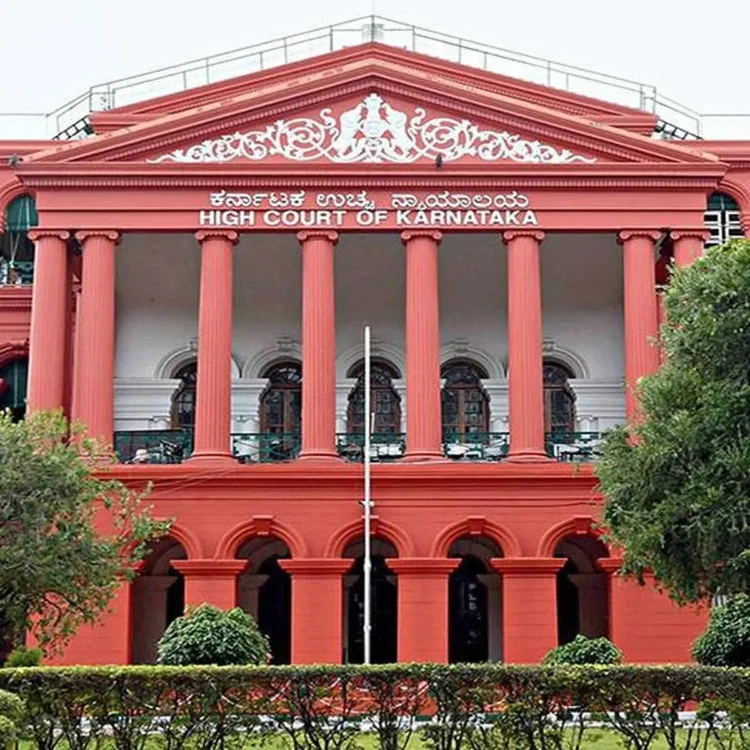
High Court Raises Concern Over Long Delay
Hearing a petition filed by the victim’s father, Justice M. Nagaprasanna noted that Section 34(2) of the POCSO Act clearly requires special courts to conclude trials within one year from the date they take cognisance of an offence. Despite this legal requirement, the case, which dates back to 2014, has remained unresolved for more than a decade.
The High Court described the prolonged pendency as deeply disturbing, stating that it was difficult to accept that a case involving the alleged rape of a minor child had remained before the courts for such an extraordinary length of time. The judge directed the special court to ensure that the trial reaches its conclusion within eight weeks.
Court Criticises Repeated Adjournments
While disposing of the petition seeking an expedited trial, the High Court expressed serious concern over the repeated adjournments granted during the proceedings. It observed that the matter was far from an ordinary criminal case, as it involved allegations of sexual assault against a young child.
According to the court, every unnecessary postponement not only delayed legal proceedings but also extended the emotional suffering of the victim. The judge remarked that in cases involving child survivors, delayed justice cannot be viewed as a simple procedural issue because it effectively prolongs the hardship faced by the victim.
The court further observed that a child who has experienced sexual abuse should not be forced to repeatedly revisit painful memories because of avoidable delays within the justice system. It stressed that the legal process must protect victims instead of becoming an additional source of distress.
Challenge to Special Court Order Examined
The victim’s father had also challenged an order passed by the special court on February 20, 2024. The application sought to summon the magistrate who had recorded the victim’s statement under Section 164 of the Code of Criminal Procedure after the FIR was registered on July 14, 2014. The case involves offences under Section 376 of the Indian Penal Code along with Sections 4 and 6 of the POCSO Act.
After considering the issue, the High Court declined to interfere with the special court’s decision on this point. It clarified that a magistrate who records a statement under Section 164 is generally not required to appear merely to formally prove that statement. The court explained that such a witness should only be summoned if the person who gave the statement later disputes or denies having made it.
Trial to Resume After Earlier Stay
The High Court noted that the special court had taken cognisance of the offences in 2014, yet the trial had progressed very slowly over the following years. It also recorded that a coordinate bench of the High Court had granted an interim stay on further proceedings before the special court on March 7, 2024, contributing to the delay at a later stage.
With the latest direction, the High Court has instructed the special court to complete the long-pending proceedings within eight weeks, underlining the importance of ensuring timely justice in cases involving crimes against children and reinforcing the intent of the POCSO Act to provide swift legal remedies for young victims.