
PlasticBan – Chhattisgarh High Court Seeks Accountability on Plastic Waste Enforcement
PlasticBan – The Chhattisgarh High Court has taken a serious view of the implementation of restrictions on banned plastic products across the state and has directed the Chief Secretary to submit a personal affidavit before the next hearing scheduled for May 13, 2026.
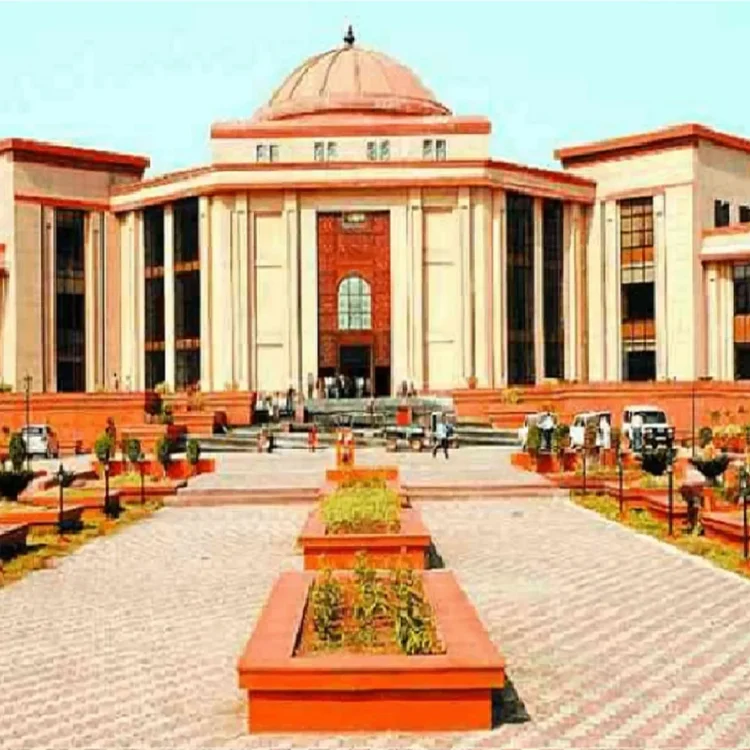
The matter was heard by a division bench comprising Chief Justice Ramesh Sinha and Justice Ravindra Kumar Agrawal. The court’s direction came during proceedings related to a Public Interest Litigation (PIL) filed by Raipur-based environmental activist Nitin Singhvi, who has been associated with wildlife conservation and environmental awareness initiatives for several years.
Petition Raises Questions Over Enforcement
In his petition, Singhvi urged the court to ensure strict and effective implementation of laws regulating plastic use and disposal in Chhattisgarh. The plea referred to key environmental legislations, including the Chhattisgarh Plastic and Other Non-Biodegradable Material (Regulation of Use and Disposal) Act, 2020, the Plastic Waste Management Rules, and the Environment Protection Act, 1986.
According to the petitioner, despite repeated government notifications and earlier restrictions on plastic carry bags introduced more than a decade ago, banned plastic materials continue to be widely available in markets across the state. The PIL argued that the gap between policy announcements and actual enforcement has allowed illegal manufacturing and distribution networks to operate without meaningful checks.
Concerns Over Administrative Inaction
During the hearing, counsel representing the petitioner alleged that enforcement agencies, including the Chhattisgarh Environment Conservation Board (CECB), have failed to take effective steps against large-scale violators. The petition claimed that authorities have largely focused on limited action against small roadside sellers while major suppliers and manufacturers continue to evade scrutiny.
The plea further described the official response as inadequate and lacking accountability. It argued that isolated raids and penalties have not addressed the larger issue of illegal plastic circulation, which continues to affect urban and rural areas alike.
Environmental Impact Highlighted in Court
The petition also detailed the environmental damage caused by non-biodegradable plastic waste. It stated that plastic accumulation has contributed to blocked drainage systems in cities, contamination of soil and water resources, and increasing risks to wildlife and vegetation.
Environmental experts have repeatedly warned that unmanaged plastic waste can worsen flooding during monsoon seasons and create long-term ecological problems. The PIL stressed that unless stronger enforcement measures are introduced, the state could face growing environmental and public health concerns in the coming years.
Demand for High-Level Monitoring Mechanism
To strengthen implementation, the petitioner requested the formation of a high-level monitoring committee headed by the Additional Chief Secretary. The proposed panel would supervise enforcement efforts, coordinate action among departments, and prepare a structured strategy to curb the production and sale of prohibited plastic items.
The High Court, while considering the submissions, directed the Chief Secretary to personally respond through an affidavit detailing the state’s actions and enforcement mechanisms. The matter has been listed for further hearing within the next eight days, indicating the court’s intent to closely monitor developments related to plastic waste regulation in Chhattisgarh