
PassportServices – Delhi High Court Orders Fresh Tender Process for Overseas Consular Contracts
PassportServices –The Delhi High Court has directed the Central government to restart the selection process for outsourcing consular, passport and visa services at four Indian diplomatic missions after finding serious flaws in the technical evaluation of bidders.
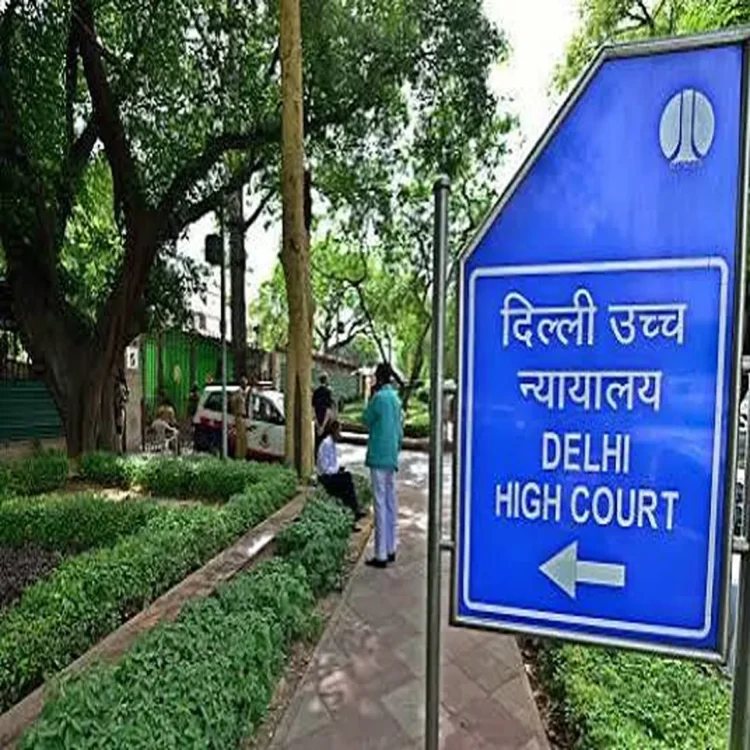
The Delhi High Court on Wednesday struck down the Union government’s technical assessment process for awarding contracts related to consular, passport and visa (CPV) services at Indian missions in Kuwait, Abu Dhabi in the United Arab Emirates, Singapore, and Canberra in Australia. The decision came after the court examined petitions filed by E TRAV Tech Ltd and Verasys Ltd, both of which had challenged the outcome after failing to secure the contracts.
Court Directs Fresh Tender Process
A Division Bench comprising Justices Anil Kshetarpal and Shain Jain instructed the Ministry of External Affairs and the concerned Indian missions to issue fresh Requests for Proposal (RFPs) for all four overseas locations within one month. The Bench also asked the authorities to complete the revised procurement exercise as quickly as possible while ensuring that the process remains fair and transparent.
To prevent inconvenience for Indian citizens seeking passport, visa and consular assistance, the court said that the existing service providers may continue operating until the fresh selection process is completed. This interim arrangement is intended to avoid any interruption in essential public services.
Evaluation Found to Be Arbitrary
In its judgment, the High Court observed that the technical evaluation carried out by the authorities suffered from arbitrariness, irrationality and a lack of transparency. According to the Bench, the manner in which marks were assigned to the petitioners did not meet the standards of fairness required under Article 14 of the Constitution, which guarantees equality before the law.
The court concluded that these shortcomings made the technical assessment legally unsustainable. As a result, it allowed the petitions and cancelled the disputed evaluation process.
Tender Awards Also Cancelled
Along with setting aside the technical assessment, the High Court also invalidated the contracts that had already been awarded to private companies through the challenged process. The judges ruled that a fresh bidding exercise was necessary to restore confidence in the procurement mechanism and ensure equal treatment for all eligible participants.
The order requires the government to begin the procurement process again instead of relying on the earlier evaluation, which the court found to be deficient.
Lack of Transparency Highlighted
The judgment noted that the evaluation records failed to explain why certain bidders received lower scores. According to the court, the assessment sheets did not specify any shortcomings in the proposals submitted by the petitioning companies. They also failed to identify the comparative standards or benchmarks that were applied while assigning marks.
The Bench observed that without properly documented reasons, the scoring process could not be independently verified, raising concerns about fairness and accountability in public procurement.
Oral Presentations Not Enough
Government authorities argued that any deficiencies in the bids had been discussed during oral presentations made before the technical evaluation committees. However, the court rejected this explanation, stating that even if such presentations formed part of the assessment process, they could not replace written records explaining how the final scores were determined.
The judges emphasized that official decisions affecting public contracts must be supported by documented reasons rather than relying solely on verbal discussions. The ruling reinforces the importance of transparency and proper record-keeping in government tender processes, particularly where public services and competitive procurement are involved.