
Parliament – Opposition Plans Joint Strategy Ahead of Special Session
Parliament – The Congress leadership is preparing for an important round of discussions with opposition parties as Parliament gears up for a special session later this week. The focus of these meetings will be on shaping a collective approach to key legislative proposals, particularly those related to women’s reservation and constituency delimitation.
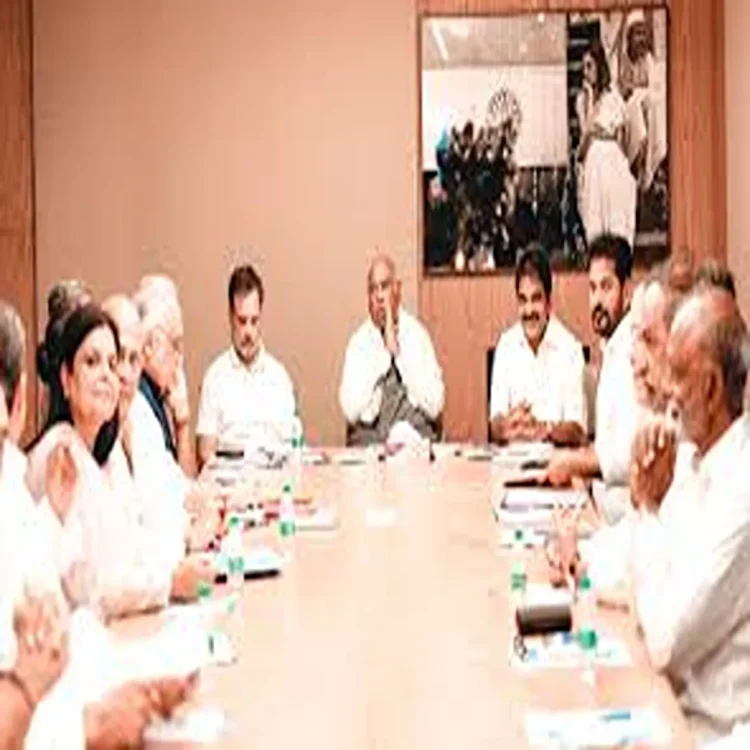
Congress Holds Internal Strategy Meeting
On Wednesday afternoon, senior leaders of the Indian National Congress are scheduled to gather at the residence of party president Mallikarjun Kharge. The meeting is expected to begin around 12:30 pm and will include prominent figures such as Rahul Gandhi, K.C. Venugopal, and Jairam Ramesh. The agenda centers on reviewing the government’s proposed bills and determining the party’s stance ahead of parliamentary discussions.
Party insiders indicate that the leadership intends to carefully examine the details of the proposed legislation before finalizing its position. The discussions are also likely to cover coordination with other opposition parties to present a united front during the session.
Wider Opposition Meeting Planned Later
Later in the day, a broader meeting involving multiple opposition parties is set to take place at around 3 pm. This gathering aims to bring together leaders from various political groups to align their strategies. While several senior leaders are expected to attend in person, some parties may be represented by delegates due to ongoing election commitments in different states.
The effort reflects a growing emphasis among opposition parties on collaboration, especially when dealing with significant constitutional and electoral reforms.
Concerns Over Proposed Legislation
The government has recently circulated draft bills among Members of Parliament concerning the implementation of women’s reservation and a fresh delimitation exercise. These proposals have sparked criticism from the Congress, which has questioned both the intent and structure of the legislation.
According to party leaders, there are apprehensions that certain provisions could have far-reaching consequences for parliamentary functioning. They argue that any ambiguity or lack of transparency in such reforms may impact democratic processes.
Proposed Expansion of Lok Sabha Seats
One of the key aspects of the draft proposal involves increasing the number of seats in the Lok Sabha. The plan suggests expanding the current strength of 543 seats to as many as 850. This expansion is intended to facilitate the implementation of the women’s reservation law ahead of the 2029 general elections.
The increase in seats would follow a delimitation exercise based on the most recent census data. This process would redefine constituency boundaries to reflect population changes, a move that has historically been both complex and politically sensitive.
Reservation in State Assemblies
In addition to changes at the national level, the draft amendment also proposes an increase in the number of seats in state legislative assemblies and Union Territory legislatures. This adjustment is aimed at ensuring that 33 percent of seats can be reserved for women without reducing existing representation.
Supporters of the proposal argue that it marks a significant step toward improving gender representation in Indian politics. However, critics have raised concerns about the timing and implementation framework of the changes.
Special Parliament Session Scheduled
The upcoming special session of Parliament is set to run for three days, from April 16 to April 18. During this period, amendments related to the Women’s Reservation Act, also known as the Nari Shakti Vandan Adhiniyam, are expected to be introduced.
The session follows an extension of the ongoing Budget Session, highlighting the importance the government places on advancing these legislative measures.
Elections Underway Across States
The political landscape remains active with elections being conducted in several states. Polling has already taken place in Puducherry, Assam, and Kerala on April 9. Meanwhile, West Bengal will vote in two phases on April 23 and April 29, and Tamil Nadu will hold elections in a single phase on April 23.
These simultaneous electoral activities are influencing the availability of political leaders, which is reflected in the representation at opposition meetings.