
OilPrices – BJP Defends Fuel Price Revision Amid Global Crude Surge
OilPrices – India’s ruling Bharatiya Janata Party on Tuesday defended the latest increase in fuel prices, saying the hike remains comparatively modest when viewed against sharp rises seen in several other countries following the ongoing West Asia crisis.
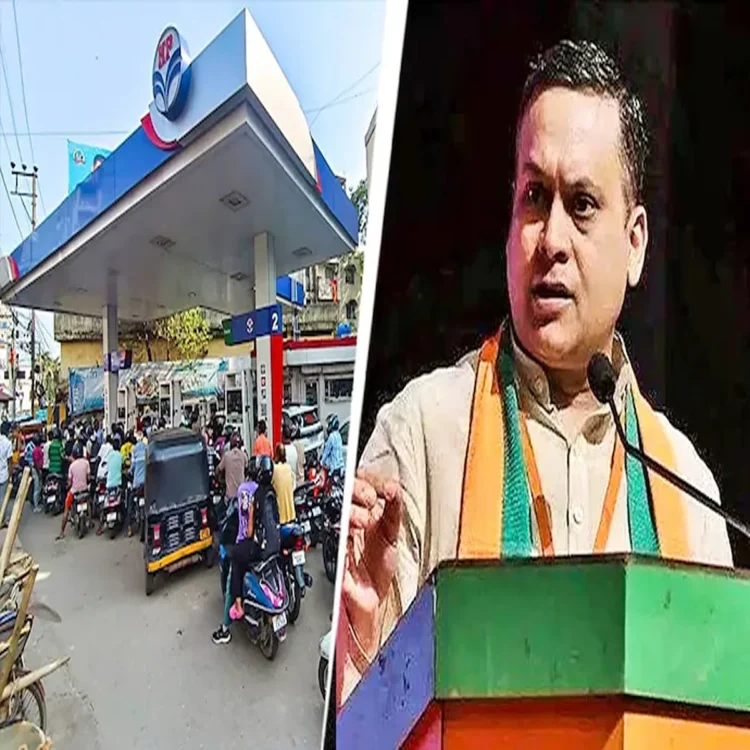
Petrol and diesel rates were raised by nearly 90 paise per litre on Tuesday, marking the second upward revision within a week. The increase came after state-owned oil companies resumed price adjustments following a long freeze that had lasted for almost four years.
Fuel Prices Revised After Long Pause
Last Friday, fuel retailers had already increased petrol and diesel prices by Rs 3 per litre, the first major revision in more than four years. The move followed a sustained rise in international crude oil prices triggered by escalating tensions involving Iran and military developments in the region.
Public sector oil companies had reportedly delayed passing on the impact of rising import costs to consumers for several weeks, particularly during an important election period in different states. However, with crude prices remaining elevated globally, oil marketing firms eventually revised retail prices to reduce mounting financial pressure.
BJP Highlights Global Comparison
Responding to criticism over the latest fuel hike, BJP leader and party IT department head Amit Malviya said the increase in India was relatively lower compared to many countries dealing with the same international crisis.
In a message shared on social media platform X, Malviya stated that Brent crude prices had remained above the USD 100 per barrel mark, putting pressure on economies across the world. He argued that Indian consumers experienced only a limited rise despite severe volatility in global energy markets.
According to him, the combined increase in Indian fuel prices after the latest revision amounted to nearly 4 percent, which he described as one of the lowest increases globally outside Gulf nations where fuel remains heavily subsidised.
Oil Companies Faced Heavy Financial Burden
The BJP leader also claimed that Indian state-run oil marketing companies absorbed significant losses for over two months before revising prices. He said the companies reportedly suffered under-recoveries of nearly Rs 1,000 crore per day during this period.
Malviya maintained that instead of immediately transferring the burden to citizens, government-owned fuel firms continued selling petrol and diesel at controlled prices despite rising import expenses linked to global crude oil markets.
The statement aimed to counter criticism from opposition parties and analysts who questioned the timing and frequency of the recent hikes.
International Fuel Price Trends
To strengthen his argument, Malviya shared comparative figures showing fuel price increases in several countries since the escalation of the West Asia conflict.
He claimed petrol prices had surged by almost 90 percent in Myanmar, more than 56 percent in Malaysia, nearly 55 percent in Pakistan and over 52 percent in the United Arab Emirates.
For diesel, he said prices climbed by around 113 percent in Myanmar, more than 71 percent in Malaysia, close to 45 percent in Pakistan and over 86 percent in the UAE.
The BJP leader also pointed to Western economies, stating that petrol prices had increased by over 44 percent in the United States, while diesel rates there rose by nearly 48 percent. In the United Kingdom, petrol prices reportedly climbed over 19 percent and diesel prices more than 34 percent.
France and Germany also witnessed notable increases, according to the figures cited by Malviya.
Strait of Hormuz Disruption Impacts Oil Supply
Global crude oil prices have risen sharply in recent months following military tensions involving Iran and retaliatory developments in the Gulf region. The situation affected oil transportation through the Strait of Hormuz, considered one of the world’s most critical maritime routes for crude shipments.
Energy analysts say disruptions in the passage have contributed significantly to higher global oil prices, forcing several countries to revise domestic fuel rates.
India, which imports a large portion of its crude oil requirement, remains vulnerable to fluctuations in international energy markets. Any prolonged instability in the region could continue to influence fuel prices in the coming weeks.