
LegalChallenge – ED Moves Supreme Court Over NewsClick Case Verdict
LegalChallenge – The Enforcement Directorate (ED) is preparing to approach the Supreme Court against a recent decision of the Delhi High Court that set aside a money laundering case involving digital news platform NewsClick and its Editor-in-Chief, Prabir Purkayastha. Officials familiar with the matter said the agency believes several key arguments presented during the proceedings were not adequately addressed in the High Court’s ruling delivered on May 29.
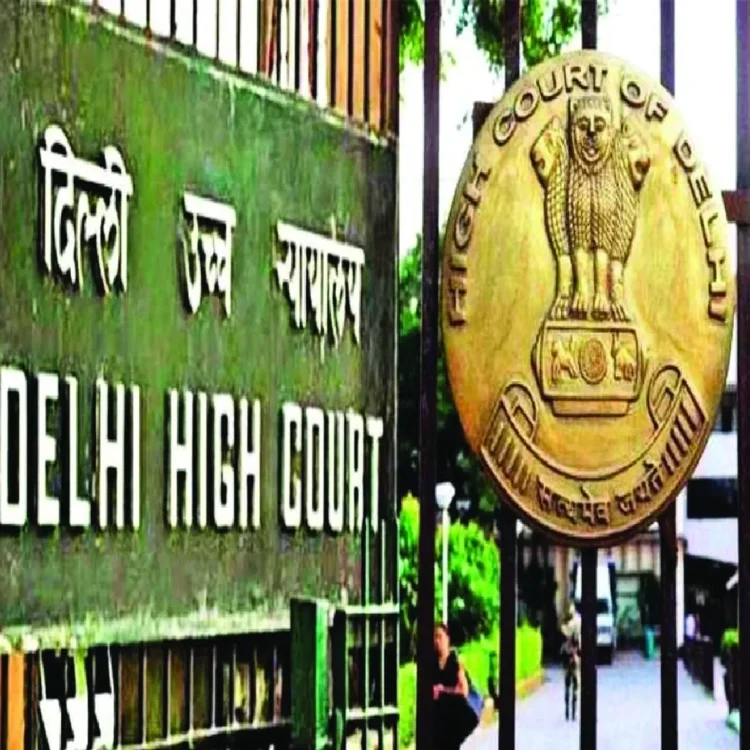
High Court Sets Aside Money Laundering Proceedings
In its judgment, the Delhi High Court ruled that the continuation of the case initiated by the Economic Offences Wing (EOW) of Delhi Police was not legally sustainable. Justice Neena Bansal Krishna, in a detailed 41-page order, stated that maintaining the First Information Report (FIR) against NewsClick and Purkayastha amounted to a misuse of legal procedure.
The court further observed that once the underlying or predicate offence was quashed, the related proceedings under the Prevention of Money Laundering Act (PMLA) could not continue independently. As a result, the money laundering investigation initiated by the ED was also liable to be brought to an end.
Court Questions Basis of Allegations
The judgment noted that the prosecution had not presented material that could establish the essential ingredients of a money laundering offence. According to the court’s observations, allegations referring to a criminal conspiracy were not supported by specific incriminating claims that would indicate a violation punishable under Section 4 of the PMLA.
The court emphasized that broad accusations alone were insufficient to justify the continuation of such proceedings. The ruling highlighted the need for concrete allegations and evidence when invoking provisions related to money laundering investigations.
ED Plans Further Legal Action
Despite the High Court’s findings, ED officials indicated that the agency intends to challenge the verdict before the country’s highest court. According to officials, the judgment appears to have proceeded on the assumption that there was no identifiable victim who had been misled or harmed in the alleged transactions.
The agency is expected to argue that important legal and factual aspects raised during the proceedings require closer examination. By moving the Supreme Court, the ED will seek a review of the High Court’s conclusions and request further judicial scrutiny of the matter.
NewsClick Responds to the Verdict
Reacting to the High Court’s decision, NewsClick welcomed the outcome and reiterated its long-standing position regarding the cases filed against it.
In a statement issued after the ruling, the news portal said it has consistently maintained that the various investigations and allegations directed at the organization represent an assault on press freedom. The platform argued that the legal actions taken against it over the years have raised concerns about the ability of media organizations to function independently.
The latest court order has therefore been viewed by the organization as a significant development in its ongoing legal battle.
Separate Court Ruling on EOW Arrests
In another development related to an Economic Offences Wing investigation, a Delhi court has declared the arrests of two individuals illegal and ordered their release.
The court held that the reasons provided by Delhi Police did not adequately justify taking the accused into custody. It observed that both individuals had been cooperating with investigators and complying with the requirements of the probe.
The case concerns allegations involving forged or fabricated bank guarantees and other related documents linked to a tender issued by the Solar Energy Corporation of India. After examining the circumstances surrounding the arrests, the court concluded that the legal threshold required for such action had not been met.
The decision adds another significant judicial observation in cases being investigated by the Economic Offences Wing, while legal proceedings in both matters are expected to continue through the appropriate appellate channels.