
Legal – Delhi High Court Seeks Centre’s Reply on Transgender Law Challenge
Legal – The Delhi High Court has asked the central government to respond to a series of petitions questioning recent amendments to transgender rights legislation, with concerns raised over the protection of self-identified gender.
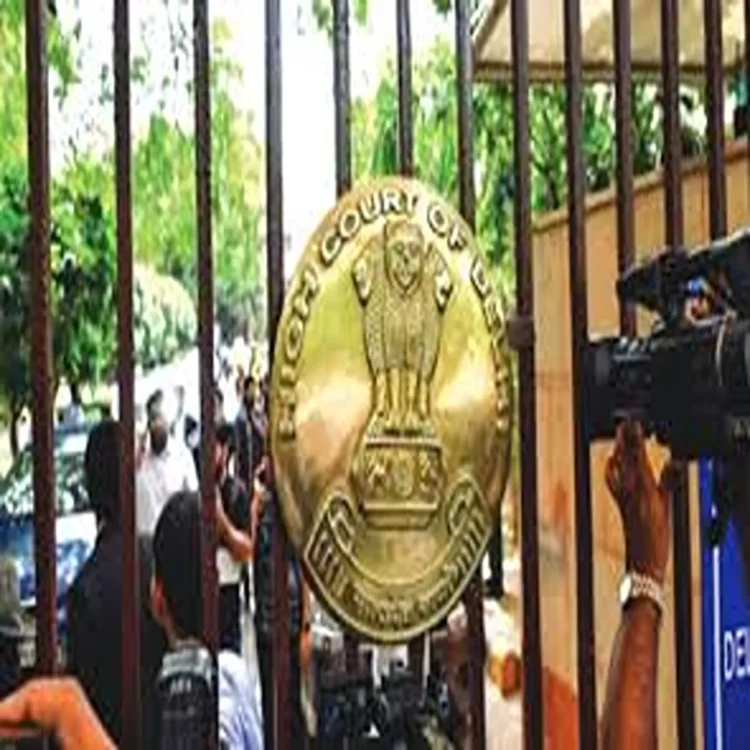
The Delhi High Court on Wednesday issued a formal notice to the Union government regarding multiple petitions that contest the validity of the Transgender Persons (Protection of Rights) Amendment Act, 2026. The court has given the Centre time until July 22 to file its response, marking the next date of hearing.
Court Examines Concerns Over Gender Identity Rights
The petitions before the court argue that the amended law undermines an individual’s right to identify their own gender. Petitioners claim that the legislation imposes restrictions that interfere with personal autonomy and expression, which they believe are protected under the Constitution.
The matter was heard by a bench led by Chief Justice D K Upadhyaya along with Justice Tejas Karia. During the proceedings, the bench took note of arguments suggesting that the law could affect how individuals express their identity, a right considered integral to personal liberty.
Petitioners Call Law Arbitrary and Disproportionate
Those challenging the amendment have described it as excessive and lacking reasonable justification. According to the petitions, the law fails to meet constitutional standards and could be seen as arbitrary in its approach.
One of the petitioners, Chandresh Jain, argued before the court that the amended provisions weaken the recognition of self-perceived gender identity. The plea maintains that the earlier legal framework provided more clarity in acknowledging an individual’s personal sense of identity, which the new amendment allegedly restricts.
Government’s Rationale Behind the Amendment
The 2026 amendment was introduced by the government with the stated objective of refining the definition of transgender persons under the existing law. Authorities have indicated that the earlier wording was too broad, making it difficult to identify and extend benefits to those who are genuinely in need of protection and support.
Officials have argued that a clearer definition would help ensure that welfare schemes and legal safeguards reach the intended beneficiaries. However, critics contend that narrowing the definition may exclude individuals who previously fell within the scope of protection.
Constitutional Questions at the Centre of Debate
A key issue raised in the petitions relates to Article 19(1)(a) of the Constitution, which guarantees freedom of speech and expression. Petitioners argue that gender identity is a form of personal expression, and any limitation on it could amount to a violation of fundamental rights.
Legal experts note that the outcome of this case may have broader implications for how identity-related rights are interpreted in Indian law. The court’s decision could influence future legislation and judicial approaches concerning personal autonomy and equality.
Next Steps in the Legal Process
With the court now awaiting the Centre’s reply, the matter is expected to see detailed arguments from both sides in the coming months. The government will have the opportunity to justify the amendment, while petitioners will continue to press for its review or repeal.
The case highlights an ongoing legal and social conversation around balancing administrative clarity with individual rights. As the hearing progresses, it is likely to draw attention from legal scholars, activists, and policymakers alike.