
Justice – Delhi High Court Questions Delay in Unnao Survivor Appeal
Justice – The Delhi High Court on Thursday raised concerns over a significant delay in an appeal filed by the Unnao rape survivor, who is seeking a harsher sentence for former BJP MLA Kuldeep Singh Sengar in connection with her father’s custodial death. The court noted that the appeal was filed after a gap of 1,940 days and asked the petitioner to clearly justify the delay.
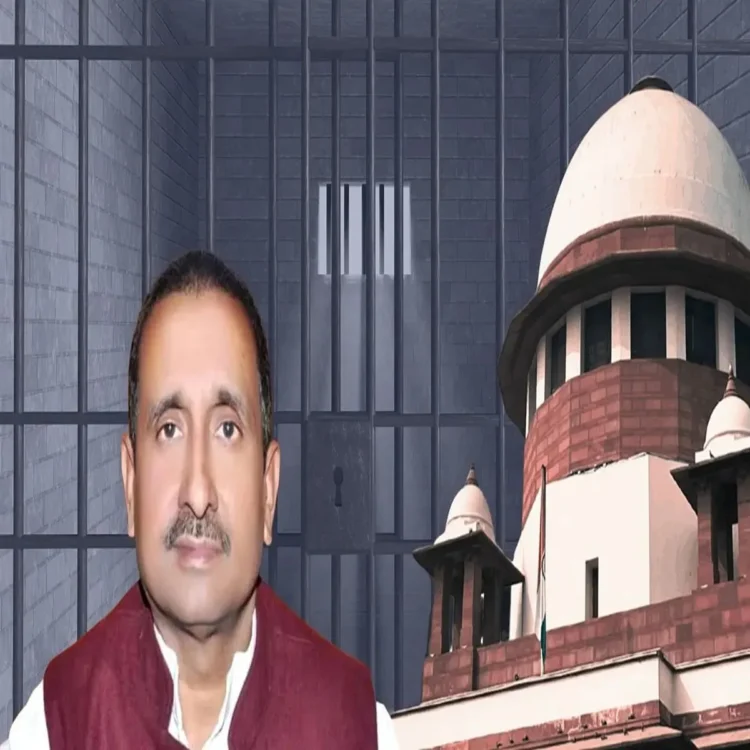
Court focuses on delay in filing appeal
A bench comprising Justices Navin Chawla and Ravinder Dudeja emphasized that the issue of limitation was central to the matter. The judges pointed out that the survivor had been actively pursuing other legal proceedings during the same period, including litigation related to the rape case itself.
The bench observed that if the petitioner was able to engage in parallel legal actions, there must be a reasonable explanation for why this particular appeal was not filed within the prescribed time frame. The court made it clear that condoning such a delay would require strong and convincing reasons.
Survivor’s counsel highlights difficult circumstances
Responding to the court’s concerns, the survivor’s lawyer argued that her client had been living under extremely challenging conditions, which affected her ability to pursue all legal matters simultaneously. The counsel described the situation as overwhelming, stating that managing multiple cases was a significant burden.
He further remarked that it was remarkable that the survivor had managed to continue her legal fight despite the circumstances she faced. According to the counsel, her ability to remain engaged in ongoing cases and appear before the court itself reflected her resilience.
Appeal seeks enhancement of sentence
The appeal in question relates to the custodial death of the survivor’s father, for which Kuldeep Singh Sengar was earlier convicted and sentenced to 10 years in prison. The survivor is now seeking an enhancement of this punishment to capital punishment.
Her plea is based on the argument that the gravity of the crime warrants a stricter penalty. However, before the court can examine the merits of this request, it must first decide whether the delay in filing the appeal can be legally excused.
Opposition raises concerns over legal process
Sengar’s legal team opposed the appeal, arguing that the court should not entertain what they described as an attempt to extend the matter beyond its legal scope. The defense maintained that judicial proceedings must remain grounded in established legal principles and should not be influenced by external narratives.
They also cautioned against turning court proceedings into a platform for public discourse, stressing that decisions must rely strictly on evidence and procedural law.
Legal scrutiny continues
The High Court has not yet made a final determination on whether the delay will be condoned. The matter remains under consideration, with the court expected to assess the explanations provided by the survivor’s side before proceeding further.
This development adds another layer to the long-running legal battle connected to the Unnao case, which has seen multiple proceedings over the years. The court’s decision on the delay will play a crucial role in determining whether the appeal for enhanced punishment will be heard on its merits.