
Judiciary – Delhi High Court Rules EWS Not Equal to Reserved Categories
Judiciary – The Delhi High Court has clarified that candidates from the Economically Weaker Sections (EWS) cannot be treated on par with individuals belonging to Scheduled Castes (SC), Scheduled Tribes (ST), and Other Backward Classes (OBC) in matters of age relaxation and attempt limits in central government recruitments.
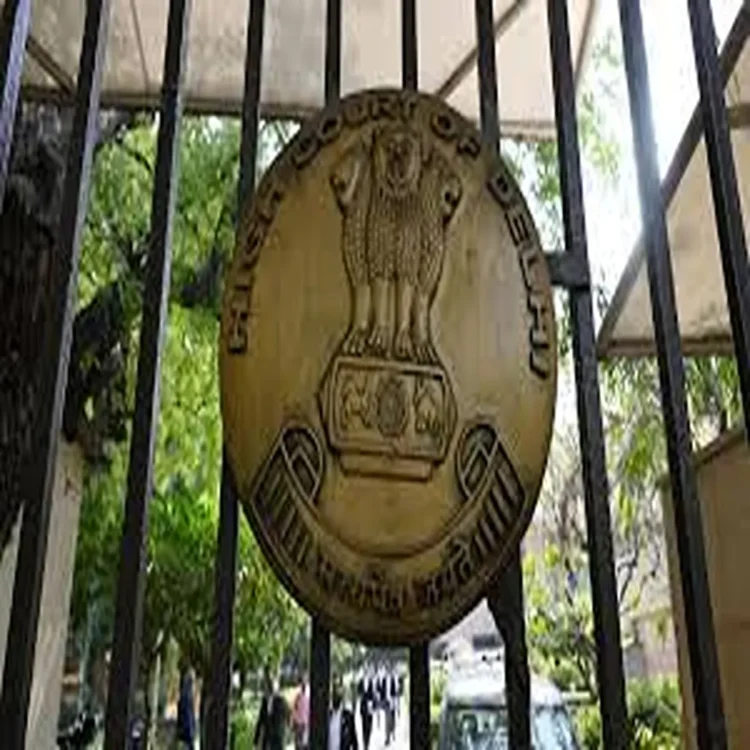
Court draws clear distinction between EWS and reserved groups
In a recent ruling, a division bench comprising Justices Anil Kshetarpal and Amit Mahajan dismissed a petition filed by candidates from the EWS category. The petitioners had sought the same benefits that are extended to SC, ST, and OBC candidates, particularly relaxation in the upper age limit and additional attempts in competitive examinations for central government jobs.
The court, however, rejected the plea, emphasizing that the basis of disadvantage faced by EWS candidates is fundamentally different from that experienced by traditionally reserved categories.
Nature of disadvantage highlighted in judgment
The bench underlined that the EWS category, which was introduced in 2019, is designed to address economic hardship alone. According to the court, financial limitations, while significant, do not carry the same long-term social implications as caste-based disadvantages.
It noted that individuals from SC, ST, and OBC backgrounds often face deep-rooted social stigma and systemic barriers that persist throughout their lives. These challenges are not limited to financial hardship but are linked to historical discrimination and societal exclusion.
In contrast, the court observed that economic status can change over time. A person who is financially disadvantaged today may improve their condition in the future, making economic hardship a variable factor rather than a permanent one.
Caste-based challenges described as lifelong
While explaining its reasoning, the bench pointed out that caste identity is determined at birth and remains unchanged throughout a person’s life. This makes caste-based disadvantage a constant factor, unlike economic conditions, which can fluctuate.
The judges stressed that reservations and relaxations granted to SC, ST, and OBC candidates are meant to address this enduring inequality. These provisions are rooted in the need to correct historical injustices and ensure fair representation in education and employment.
Petition seeking parity rejected
The petitioners had argued that economic hardship also creates barriers and therefore EWS candidates should be granted similar relaxations. However, the court did not find this argument convincing enough to equate economic disadvantage with social and historical discrimination.
By dismissing the plea, the bench reaffirmed that the framework of reservations is built on addressing different types of inequalities separately. Extending identical benefits across categories without considering their distinct nature, the court suggested, would undermine the purpose of these policies.
Broader implications of the ruling
The judgment reinforces the legal distinction between economic and social backwardness in India’s reservation system. It also signals that policy decisions related to affirmative action must continue to recognize the unique challenges faced by different groups rather than applying a uniform approach.
Legal experts believe that the ruling may influence future cases where demands for parity between EWS and other reserved categories are raised. It also adds clarity to how courts interpret the intent behind reservation policies and the criteria used to justify them.
Overall, the decision underscores that while economic support mechanisms are important, they cannot replace measures designed to address long-standing social inequalities embedded in the country’s history.