
Investigation – Supreme Court Orders Initial CBI Probe Into Contract Allegations
Investigation – The Supreme Court on Monday instructed the Central Bureau of Investigation to carry out a preliminary inquiry into claims that several public works contracts in Arunachal Pradesh were granted to companies associated with relatives of Chief Minister Pema Khandu. The court has asked the agency to assess whether a full-scale investigation is necessary and to submit its findings within a fixed timeframe.
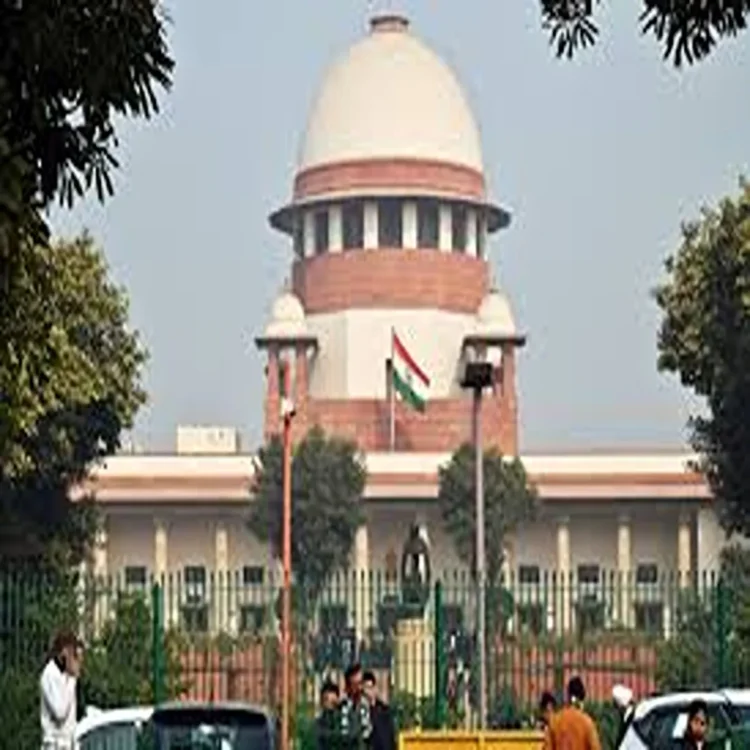
Court Directs Preliminary Inquiry
A bench led by Justice Vikram Nath passed the order while hearing a public interest petition filed by two non-governmental organisations. The plea alleged irregularities in the awarding of government contracts and called for an independent probe. While the petitioners had sought a Special Investigation Team, the court opted to begin with a preliminary inquiry by the CBI.
The bench clarified that the inquiry would focus on contracts awarded and executed between 2015 and 2025. It also specified that particular attention should be given to contracts linked to certain respondents named in the petition.
State Asked to Ensure Full Cooperation
In its directions, the court emphasized that the Arunachal Pradesh government must extend full cooperation to the investigating agency. It ordered the state administration to comply with the instructions within a week. Additionally, the Chief Secretary has been asked to appoint a nodal officer who will coordinate with the CBI and ensure that all required documents and records are shared without delay.
The court further stated that the CBI must provide a status report within 16 weeks, indicating whether the matter warrants a detailed and independent investigation.
Petitioners Raise Concerns Over Contract Allocation
During the hearing, senior advocate Prashant Bhushan, representing the petitioning organisations, presented detailed allegations regarding the awarding of contracts. He argued that a significant number of projects had been allocated to firms allegedly connected to the Chief Minister and his family members.
Citing affidavits submitted earlier, Bhushan claimed that one firm owned by the Chief Minister’s spouse had received multiple contracts over more than a decade. He also referred to another company said to be owned by the Chief Minister himself.
According to the submissions, dozens of contracts—collectively valued in hundreds of crores—were awarded through both tender and non-tender processes. The petitioners alleged that, over the past ten years, the cumulative value of such contracts linked to these firms had reached a substantial figure.
Allegations of Conflict of Interest
The petitioners argued that the scale and pattern of contract allocation raised serious concerns about fairness and transparency. They claimed that a portion of the state’s total contracts had been awarded to these entities and described the situation as indicative of potential wrongdoing.
Bhushan also contended that an impartial investigation by the state police would not be feasible, given the senior position held by the Chief Minister. He urged the court to ensure that an independent agency examines the matter thoroughly.
Background and Earlier Proceedings
The court had earlier reserved its decision after hearing arguments from both sides in February. During previous hearings, it had directed the state government to submit a detailed affidavit listing all contracts awarded between 2015 and 2025, including those involving firms linked to the Chief Minister’s family.
At that stage, the bench had indicated that it would decide whether further inquiry was necessary after reviewing the submissions. Monday’s order marks the next step in that process, with the preliminary CBI inquiry expected to provide clarity on the allegations.
Next Steps in the Case
The outcome of the CBI’s preliminary findings will determine whether a more comprehensive investigation is initiated. For now, the court has limited its directive to fact-finding, leaving the question of a full probe open.
The case highlights ongoing concerns about transparency in public contract allocation and underscores the role of judicial oversight in addressing such issues.