
Infrastructure – Vidyavihar Connector Faces Fresh Delays Over Tree Removal Concerns
Infrastructure – The much-anticipated Vidyavihar East–West Connector project has encountered yet another delay, this time due to plans involving the removal of over 200 trees for the construction of approach roads. The development has raised fresh concerns about timelines as well as environmental impact, even as authorities attempt to balance infrastructure needs with compensatory measures.
Tree Removal and Compensation Plan Under Review
According to civic officials, a total of 213 trees are expected to be affected by the ongoing construction work. In response, the Brihanmumbai Municipal Corporation has proposed planting 2,278 trees across various locations to offset the ecological loss. A formal proposal has been submitted to appoint the Maharashtra Forest Development Corporation to carry out the plantation work.
The project’s revised completion deadline has been set for June 2026. However, the slow pace of progress has triggered doubts among local residents and daily commuters, particularly with the monsoon season approaching, which could further disrupt construction activities.
Project Design and Current Construction Status
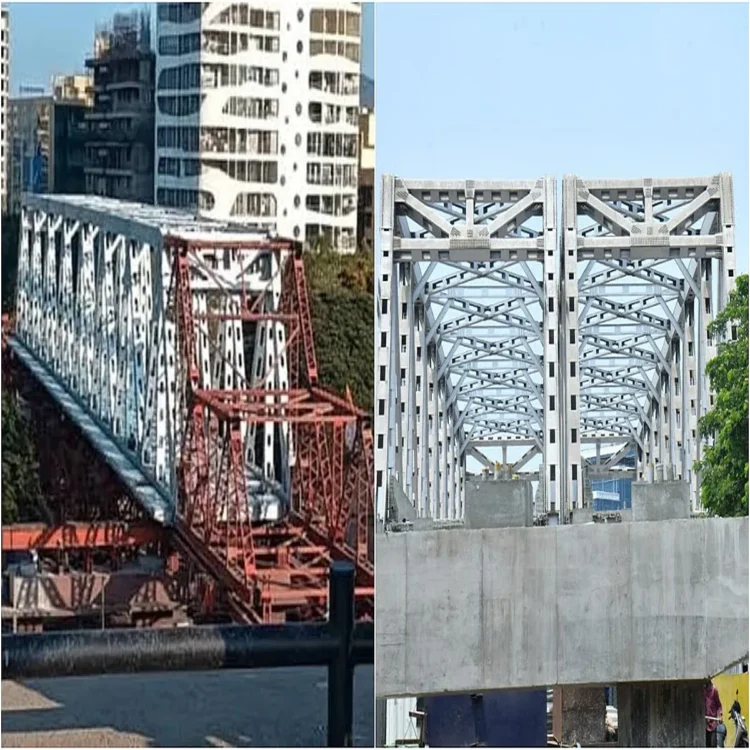
The connector aims to improve connectivity between Ramkrishna Chemburkar Marg on the eastern side and Lal Bahadur Shastri Marg on the western side of Vidyavihar. The structure includes a 650-metre, two-lane flyover, featuring a 100-metre section spanning railway tracks. It will also enhance pedestrian access near Vidyavihar Railway Station.
Work on the approach roads is currently underway. A detailed survey identified 189 trees initially impacted, with plans to cut down 65, relocate 73 through transplantation, and preserve 51. To address environmental concerns, authorities had earlier outlined a plantation drive involving 1,990 trees with an estimated budget of Rs 2 crore.
Additional Changes Increase Environmental Impact
Subsequent adjustments in road alignment have led to further tree loss. An additional 24 trees are now expected to be affected, equally divided between those to be cut and those to be transplanted. As a result, officials have increased the compensatory plantation target by 288 trees, bringing the total to 2,278.
Due to limited space within Mumbai, the plantation work will be carried out on a 2.05-hectare plot in Karanjade, Panvel. The estimated cost for tree transplantation, plantation, and maintenance over a seven-year period is now projected at around Rs 1.57 crore. Earlier, the cost of transplanting 73 trees alone had been estimated at Rs 41.51 lakh.
Rising Costs and Long Project History
With revised estimates, the total expenditure related to environmental mitigation is expected to reach nearly Rs 1.99 crore. This adds to the overall project cost, which stands at Rs 76.18 crore. The construction contract has been awarded to AB Infrabuild Limited, with the official work order issued in February 2024.
The project has a long and complex history. First proposed in 1991, it saw limited progress for decades before gaining momentum in 2016. Construction activities began in 2018, with an initial target of completion by mid-2022. However, the Covid-19 pandemic and multiple design modifications caused significant delays, pushing the timeline further.
Expected Benefits Despite Delays
Once completed, the connector is expected to significantly reduce travel time between Vidyavihar East and West, cutting it from over 30 minutes to approximately 10–15 minutes. This improvement is anticipated to ease traffic congestion and enhance daily commuting for both motorists and pedestrians.
A key engineering feature of the project is its 100-metre girder constructed over railway tracks, which is considered one of the longest of its kind in Mumbai. Civic authorities maintain that despite ongoing challenges, the project will play a vital role in strengthening east-west connectivity in the area.