
Infrastructure – Delhi Civic Body Plans Private-Led Upgrade of School Stadium Network
Infrastructure – The Municipal Corporation of Delhi (MCD) is preparing to introduce a public-private partnership framework for the stadiums managed by its education department. The proposal seeks to bring private investment into sports infrastructure by assigning one professional operator to each stadium. The selected entity would be responsible for upgrading facilities, managing operations, and maintaining the infrastructure without requiring direct financial investment from the civic body.
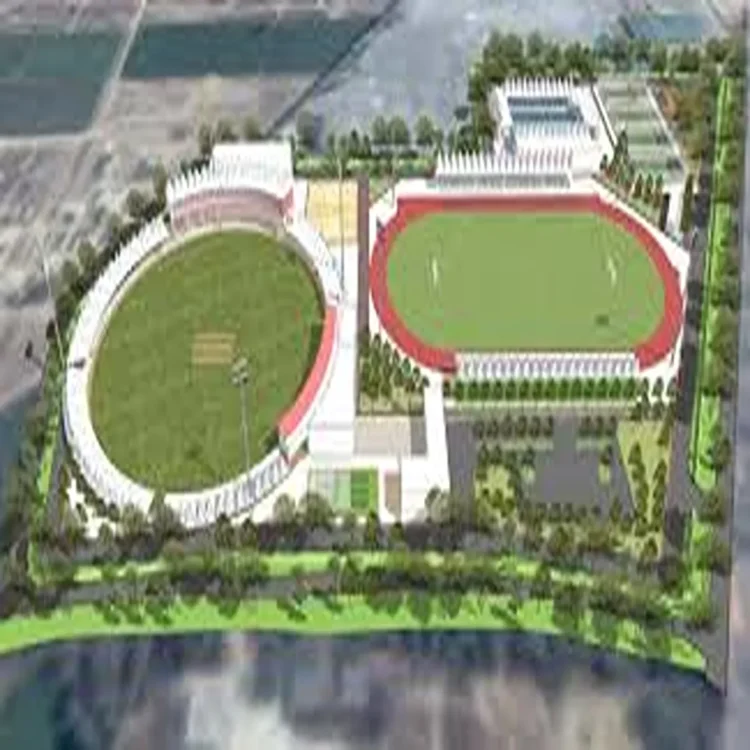
Plan Focuses on Better Use of Existing Facilities
According to the draft policy currently under review, the objective is to improve the use of sports venues that remain underutilized for much of the year. Officials believe that introducing professionally managed operations can help transform these facilities into active sports centers while reducing the financial burden on the municipal administration.
At present, the MCD oversees 13 stadiums that are mainly used for inter-zonal competitions and sporting events involving students from municipal schools. These venues support a variety of disciplines, including cricket, football, athletics, volleyball, and badminton.
Free Coaching for Municipal School Students
One of the central features of the proposed model is the provision of free sports coaching to students studying in MCD schools. Under the framework, private operators would establish and run structured coaching academies within the stadium premises. Students from municipal schools would be able to access these programs without any charges.
At the same time, residents from across Delhi would also have the opportunity to use coaching and training facilities. However, these services would be offered on commercial terms set by the appointed operator, creating a revenue stream to support the long-term functioning of the stadiums.
Single Operator Model Aims to Improve Accountability
The draft policy emphasizes the importance of having a single professional agency responsible for every aspect of stadium management. Officials argue that sports coaching, infrastructure upkeep, and event organization require consistent oversight and accountability.
The proposal notes that assigning different tasks to multiple vendors often leads to fragmented responsibilities, increased administrative challenges, and inconsistent service quality. By placing all responsibilities under one operator, the civic body expects better coordination and more effective delivery of sports-related services.
Long-Term Investment Strategy Proposed
To encourage private participation, the MCD is also considering a long-term commercial structure designed to provide stability for investors. People familiar with the discussions said the framework may include clearly defined operational responsibilities and exclusive rights within specific geographic zones.
Authorities believe that a predictable policy environment will encourage private organizations to invest in infrastructure improvements, advanced training programs, and modern sports facilities across the stadium network.
Monitoring and Compliance Measures Included
The draft policy also outlines mechanisms to ensure transparency and effective oversight. Digital monitoring systems and other evaluation tools are expected to be used to track both infrastructure development and financial performance under the partnership model.
In addition, the proposal highlights the importance of accountability, regulatory compliance, and adherence to child-protection standards. These measures are intended to ensure that all activities conducted within the stadiums remain aligned with public interest and educational objectives.
If approved by the relevant authorities, the initiative could significantly reshape the management of MCD-operated sports facilities and create broader opportunities for students and local residents to access professionally maintained sporting infrastructure.