
Infrastructure – Delhi civic body begins survey of century-old public institutions
Infrastructure – The Municipal Corporation of Delhi has initiated a city-wide effort to identify and document railway stations, schools, and colleges that have completed 100 years or more, aiming to preserve an official record of such long-standing institutions still in use.
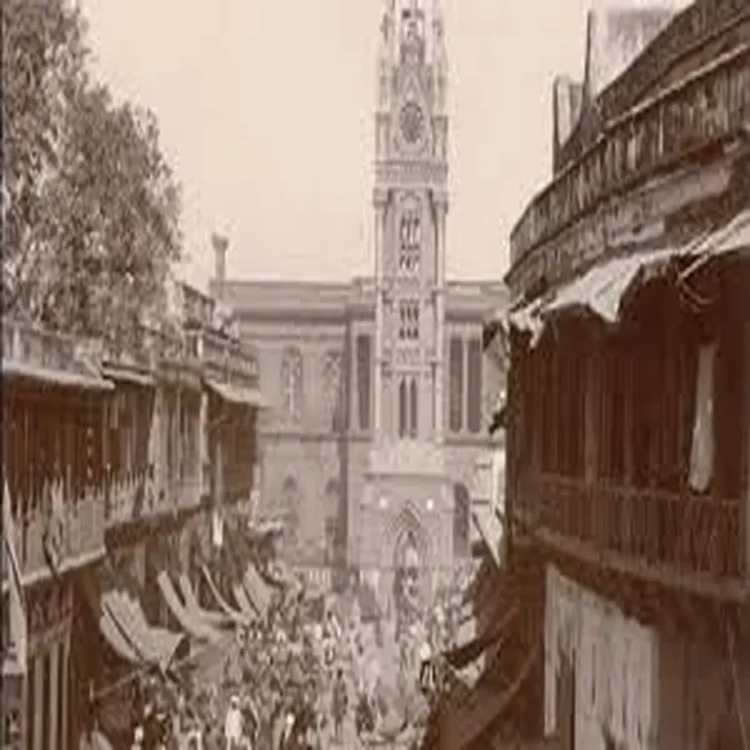
Survey to cover all civic zones
Officials familiar with the plan said that deputy commissioners across all 12 administrative zones have been assigned the responsibility of collecting detailed information about these historic establishments. The exercise is intended to create a structured and verified database of public buildings that have served Delhi for over a century.
The move reflects a growing interest in cataloguing functional heritage infrastructure, particularly those that continue to play an active role in the daily life of residents despite their age.
Notable century-old sites included
Several prominent landmarks are expected to be part of the documentation process. These include the Old Delhi Railway Station, which dates back to 1903, the Anglo-Arabic Senior Secondary School complex located at Ajmeri Gate, and Tibbia College in Karol Bagh, established in 1916. All of these institutions remain operational and continue to serve the public.
Authorities believe that identifying such sites will highlight the historical depth of the city’s infrastructure and underline the importance of maintaining them properly.
Focus on detailed documentation
As part of the initiative, officials will gather comprehensive information about each identified structure. This will include the name of the institution, its approximate age, ownership details, and its present physical condition.
The goal is to ensure that the database is not only historically accurate but also useful for administrative planning and conservation-related decisions in the future.
Preserving legacy amid urban expansion
Civic authorities noted that Delhi has undergone rapid urban growth over the decades, often overshadowing older establishments that continue to function quietly. By formally documenting these institutions, the corporation aims to acknowledge their contribution to the city’s development and ensure they are not overlooked in future planning processes.
Officials added that many of these buildings have adapted to modern needs while retaining their original purpose, making them significant both historically and functionally.
Coordination with heritage authorities
The exercise follows a directive issued earlier this year and will involve coordination with the Archaeological Survey of India. This collaboration is expected to help verify historical data and provide expert input where required.
While the groundwork for the initiative has begun, details regarding the exact timeline and full scope of the survey are yet to be finalized. Authorities indicated that further updates will be shared as the project progresses.
Building a centralized record
Once completed, the exercise is expected to result in a consolidated database of century-old public institutions in Delhi. This record could serve multiple purposes, including policy planning, heritage conservation, and public awareness.
Officials believe that maintaining such a database will also help in prioritizing restoration efforts and ensuring that these structures continue to serve future generations.