
Inflation – Jairam Ramesh Accuses Centre of Mismanaging Rising Price Pressures
Inflation – Senior Congress leader Jairam Ramesh on Wednesday intensified his criticism of the Narendra Modi-led government, alleging that the country’s economic situation is deteriorating due to policies that, according to him, have placed a growing burden on households, farmers, and businesses.
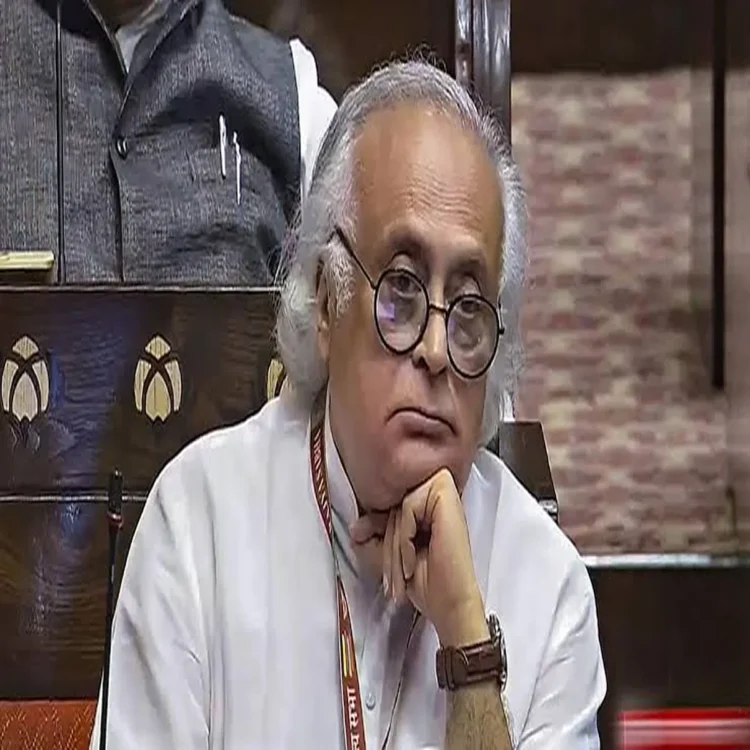
Jairam Ramesh, in a post on X, claimed that the latest inflation figures reflect what he described as the government’s economic shortcomings. Referring to the latest wholesale inflation data, he argued that the country is witnessing mounting financial challenges and urged the Centre to acknowledge the seriousness of the situation instead of focusing on public messaging.
Congress Raises Concerns Over Inflation and Economy
The Congress leader pointed to the latest Wholesale Price Index (WPI) figures, noting that wholesale inflation reached 9.87 percent in June 2026, the highest level recorded in 44 months. He also highlighted a sharp rise in fuel and electricity prices, stating that these costs have increased by 27.4 percent. According to Ramesh, agricultural sowing has also fallen to its lowest level in three years, adding further pressure on the rural economy.
He maintained that increasing prices and unemployment are making life more difficult for ordinary citizens, while farmers continue to face challenges caused by changing weather conditions as well as government policies. Ramesh further argued that higher input costs are creating additional difficulties for industries, affecting production and business operations.
Government Asked to Address Economic Challenges
Continuing his criticism, Ramesh alleged that several key economic indicators are showing signs of stress and called on the government to focus on controlling inflation rather than, as he claimed, attempting to divert public attention. He said the administration should respond with concrete measures to tackle rising prices instead of disputing or downplaying economic data.
The Congress MP also asserted that after more than a decade in office, the Prime Minister cannot avoid responsibility for the country’s economic performance. He urged the government to take greater accountability for inflation and other economic issues affecting citizens.
Official Data Shows Increase in Wholesale Inflation
The criticism came after the Ministry of Commerce and Industry released the latest Wholesale Price Index data for June 2026. According to the official figures, annual wholesale inflation increased to 9.87 percent from 9.68 percent recorded in May 2026.
The data indicated that higher prices in food and fuel categories contributed significantly to the increase. The Wholesale Price Index is widely used to measure changes in the prices of goods at the wholesale level and serves as an important indicator of inflationary trends in the economy.
Food Inflation Also Registers Upward Movement
The official report showed that the WPI Food Index, which combines food articles under primary goods and manufactured food products, recorded an annual inflation rate of 6.14 percent in June. This marks a noticeable rise compared with the 4.49 percent reported in May.
The increase suggests that food prices continued to move upward during the month, adding to overall inflationary pressure. Food inflation remains a key concern because it directly affects household spending and the cost of essential commodities across the country.
Retail Inflation Moves Above RBI Target
Separate government data also showed that retail inflation climbed to 4.38 percent in June, compared with 3.93 percent in May. The latest reading moved above the Reserve Bank of India’s medium-term inflation target of 4 percent, indicating renewed pressure on consumer prices.
The latest inflation figures have once again placed the country’s economic conditions at the centre of political discussion, with the opposition demanding stronger action while the official data continues to be closely monitored by policymakers, economists, and financial markets.