
IndusTreaty – India Rejects Pakistan’s War Remarks Over Water Pact
IndusTreaty – India has strongly pushed back against recent comments made by Pakistan’s Defence Minister Khwaja Asif regarding the suspension of the Indus Waters Treaty, describing the remarks as an attempt to divert attention from Pakistan’s internal challenges and governance issues.
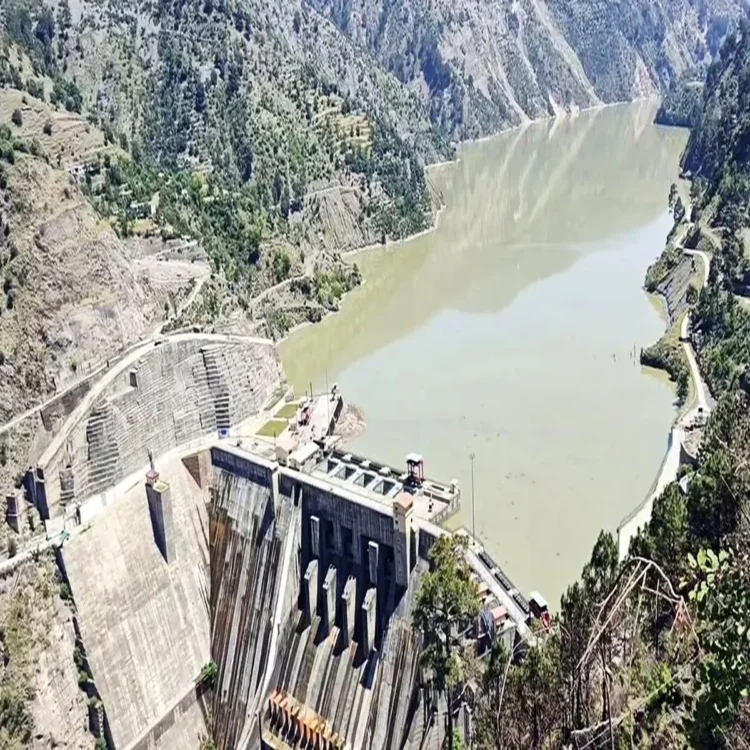
India Responds Firmly to Pakistan’s Statement
The reaction came after Khwaja Asif suggested that Pakistan could consider military action if the country’s access to water resources was placed at risk due to developments surrounding the Indus Waters Treaty. New Delhi, however, reiterated that its position on keeping the agreement in abeyance remains unchanged and that Pakistan’s allegations have no basis.
Addressing media queries on Tuesday, Ministry of External Affairs spokesperson Randhir Jaiswal dismissed the comments, stating that India does not view such claims as credible. He said the statements appear designed to shift focus away from Pakistan’s domestic shortcomings and concerns raised by international observers regarding human rights and governance.
External Affairs Ministry Rejects Allegations
According to Jaiswal, India categorically rejects what it described as unfounded accusations coming from Islamabad. He emphasized that attempts to create external controversies cannot conceal long-standing issues faced by Pakistan, including criticism related to civil liberties and administrative practices.
The spokesperson noted that such rhetoric does little to contribute to regional stability and instead reflects efforts to draw attention away from matters that require accountability within Pakistan itself. India maintained that its decisions concerning bilateral agreements are based on national interests and existing circumstances.
Concerns Raised Over Conditions in Pakistan-Occupied Kashmir
During the briefing, Jaiswal also referred to the situation in Pakistan-occupied Kashmir (PoK). He argued that the difficulties faced by people living in the region stem from policies that have been pursued over several decades.
According to the Indian government, residents of the territory have experienced economic neglect, restrictions on fundamental rights, and administrative shortcomings. The spokesperson described these issues as consequences of governance failures in areas that India continues to regard as illegally occupied by Pakistan.
Treaty Dispute Remains a Key Bilateral Issue
The Indus Waters Treaty has remained one of the most significant agreements between India and Pakistan since it was signed in 1960. Recent tensions between the two countries have brought renewed attention to the future of the treaty and its role in managing shared water resources.
While Pakistan has repeatedly expressed concerns about the agreement’s status, India has indicated that its current position remains unchanged. The exchange of statements has added another layer to already strained relations between the neighboring countries.
Focus on Regional Stability
Diplomatic observers note that water-sharing arrangements, security concerns, and political disagreements continue to influence relations between India and Pakistan. Despite periodic escalations in rhetoric, both countries remain under international scrutiny regarding how they address sensitive bilateral issues.
India’s latest response signals that it is unwilling to accept allegations linked to the treaty dispute and intends to continue highlighting concerns it has raised regarding governance and human rights issues across the border.