
Heritage – ASI Set to Expand Ancient Inscription Study in Nallamala Forests
Heritage – The Archaeological Survey of India (ASI) is preparing to launch a fresh phase of its epigraphical documentation work in the Nallamala forest region of Andhra Pradesh’s Markapuram district this June. The development comes after the organisation secured the necessary clearance from the Andhra Pradesh Forest Department, allowing researchers to access protected forest areas for the study of historical inscriptions.
New Survey to Focus on Temple Inscriptions
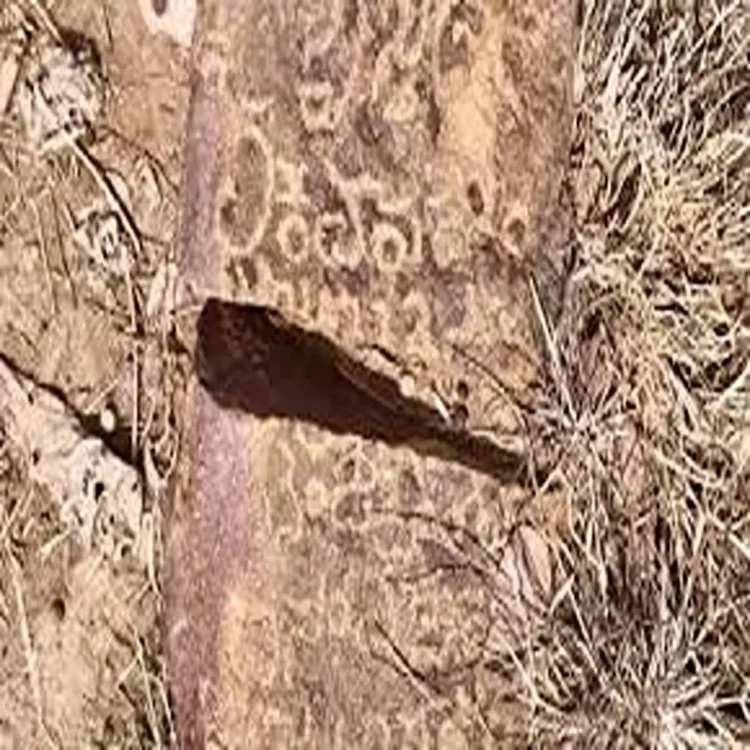
As part of the upcoming exercise, experts from the ASI’s Epigraphy Division will visit temples located within the Ganjivaripalli forest range. Their primary objective will be to record and preserve inscriptions written in Telugu and Nagari scripts. These inscriptions, found on temple walls and stone structures, are considered valuable historical records that offer insights into the region’s social, cultural, and political history.
The initiative follows earlier epigraphical surveys conducted in the Lankamala Reserve Forest of YSR Kadapa district in Andhra Pradesh and the Gundaram Reserve Forest in Telangana. Those studies helped identify and document several historically significant inscriptions, contributing to a broader understanding of South India’s past.
Forest Department Grants Official Approval
Permission for the survey was granted by Principal Chief Conservator of Forests (Wildlife) and Chief Wildlife Warden PV Chalapathi Rao. The approval was issued to ASI Director (Epigraphy) K. Muniratnam Reddy and his team under Section 28(1) of the Wildlife (Protection) Act, 1972.
The clearance allows the ASI team to enter designated forest zones and carry out inscription-copying activities while adhering to specific conditions laid down by forest authorities. Such permissions are essential because the survey areas fall within ecologically sensitive forest regions that are protected under wildlife conservation laws.
Preserving Valuable Historical Evidence
Speaking about the project, Muniratnam Reddy expressed appreciation to the Andhra Pradesh government and officials who facilitated the process. He acknowledged the prompt support extended by Deputy Chief Minister K. Pawan Kalyan as well as senior forest officials involved in granting permission for the work.
According to Reddy, the inscriptions located within the forest temples represent an important part of India’s cultural and historical heritage. Many of these records contain details about ancient rulers, religious institutions, donations, local governance, and social customs from different periods of South Indian history.
Contribution to Historical Research
Experts believe that documenting such inscriptions plays a vital role in preserving historical evidence that may otherwise deteriorate due to weathering, environmental factors, or lack of access. By creating accurate copies and records, researchers can study the inscriptions in greater detail and make the information available for future academic work.
The upcoming survey is expected to strengthen efforts aimed at safeguarding historical resources hidden within remote forest regions. Findings from the project may also help historians and archaeologists build a clearer picture of cultural developments across South India over several centuries.
With preparations underway, the ASI team is expected to begin fieldwork in June, marking another important step in the preservation and documentation of India’s rich epigraphical heritage.