
Healthcare – Delhi Chief Minister Conducts Surprise Inspection at City Hospital
Healthcare – The Chief Minister of Delhi, Rekha Gupta, carried out an unannounced visit to Aruna Asaf Ali Hospital on Thursday to closely examine the condition of healthcare services and facilities being provided to patients.
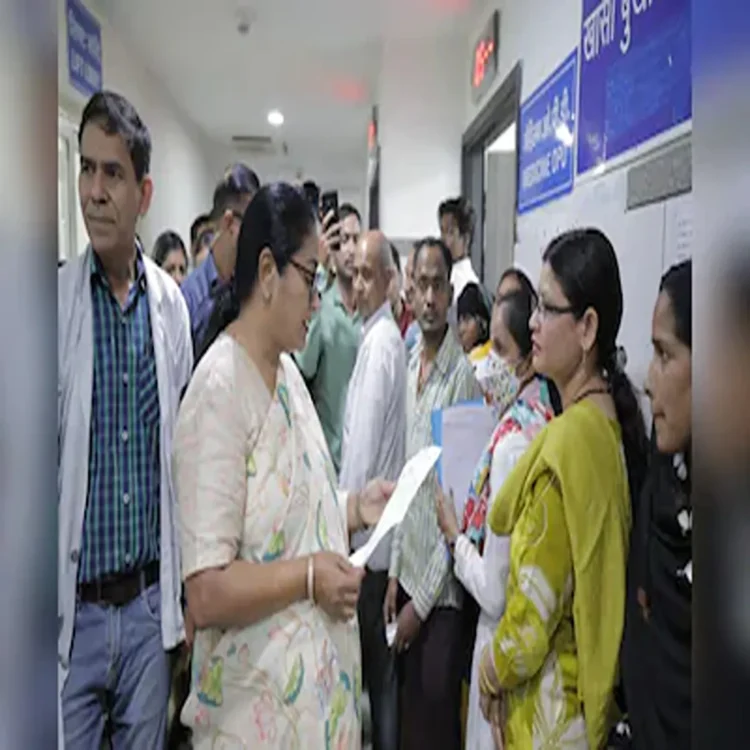
Inspection Focuses on Ground-Level Hospital Operations
During the visit, the Chief Minister walked through several critical sections of the hospital, including the outpatient department (OPD), inpatient wards, pharmacy counters, sanitation arrangements, water supply systems, and digital service units. The inspection was aimed at understanding how efficiently the hospital is functioning and whether patients are receiving timely and adequate care.
Officials accompanying the Chief Minister noted that the visit was intended to assess real-time conditions rather than relying solely on reports. By directly observing daily operations, the administration sought a clearer picture of existing challenges within the public healthcare system.
Direct Interaction with Patients Reveals Concerns
A key part of the inspection involved speaking directly with patients and their family members. The Chief Minister engaged in conversations to gather honest feedback about their experiences at the hospital. Several individuals shared their difficulties, particularly regarding long waiting times and delays in receiving medical attention.
Elderly patients, in particular, highlighted that they had been waiting in queues since early morning hours, some reportedly arriving as early as 8 am without being attended to promptly. These accounts raised concerns about patient management and the hospital’s ability to handle daily footfall effectively.
Overcrowding and Staff Shortages Come to Light
The inspection brought attention to overcrowding in the OPD, which appeared to be struggling to manage the high number of patients. Alongside this, there were noticeable gaps in doctor availability, which further contributed to delays in consultations and treatment.
Healthcare experts often point out that staffing shortages can significantly impact patient outcomes, especially in government hospitals that serve large populations. The situation observed during the visit indicated a need for better workforce planning and resource allocation.
Issues Found in Digital Systems and Token Management
Another area of concern identified during the inspection was the hospital’s digital appointment and token system. While such systems are designed to streamline patient flow and reduce waiting times, their implementation at the facility appeared to be inconsistent.
Patients reported confusion regarding token issuance and appointment scheduling, suggesting that the system may not be functioning as intended. Technical inefficiencies or lack of proper guidance could be contributing to these issues, leading to frustration among visitors.
Immediate Directions Issued for Improvement
Following the inspection and feedback gathered on-site, the Chief Minister instructed hospital authorities to take immediate corrective steps. The directions included improving queue management, ensuring better availability of doctors, and fixing issues related to the online appointment system.
Sanitation and basic amenities were also emphasized, with instructions to maintain cleanliness and ensure uninterrupted water supply. The administration stressed that public hospitals must meet acceptable standards of care and efficiency.
Broader Implications for Public Healthcare
Such surprise inspections are often used by governments to identify gaps in service delivery and enforce accountability. The findings from this visit underline ongoing challenges in urban healthcare infrastructure, especially in high-demand facilities.
Addressing these concerns may require a combination of administrative action, increased staffing, technological improvements, and continuous monitoring. Ensuring that patients receive timely and respectful care remains a central priority for public health systems.