
Harvest – Devotees Gather in Large Numbers to Celebrate Baisakhi Across Punjab
Harvest – Hundreds of devotees visited gurudwaras across Punjab and Haryana on Tuesday to celebrate Baisakhi, a major festival in the Sikh calendar that commemorates the creation of the Khalsa Panth by Guru Gobind Singh in 1699. The occasion also coincides with the beginning of the harvest season, making it both a spiritual and agricultural celebration for the region.
Devotional Fervour at Key Religious Sites
Amritsar witnessed a particularly large turnout, with thousands arriving at the Golden Temple before sunrise to offer prayers. The shrine was decorated with care, creating a serene and festive atmosphere for visitors. Many devotees considered it auspicious to take a dip in the sacred sarovar within the temple complex as part of their observance.
Authorities ensured that arrangements were in place to handle the influx of pilgrims. The Shiromani Gurdwara Parbandhak Committee deployed dedicated teams to manage the crowds and maintain order throughout the day.
Anandpur Sahib Draws Massive Congregation
In Anandpur Sahib, where the Khalsa Panth was established more than three centuries ago, a significant number of devotees gathered at Takht Kesgarh Sahib. The historic importance of the site added to the emotional and spiritual intensity of the celebrations. The town saw a steady stream of visitors participating in prayers and community activities.
Community Kitchens Serve Thousands
As part of the Baisakhi tradition, gurudwaras across the region organized langars, offering free meals to all visitors regardless of background. Volunteers worked tirelessly throughout the day to serve food, reflecting the Sikh principles of equality and selfless service.
Similar scenes were reported at several historic gurudwaras throughout Punjab, where people gathered in large numbers, offered prayers, and took part in religious rituals.
Leaders Extend Greetings and Messages
Punjab Chief Minister Bhagwant Mann conveyed his wishes on the occasion, highlighting the enduring values associated with the Khalsa Panth. He emphasized that the teachings of Guru Gobind Singh continue to inspire people to uphold truth, righteousness, and service to humanity.
Haryana Chief Minister Nayab Singh Saini also extended greetings, expressing hope that the festival would bring prosperity, particularly to farmers, and fill people’s lives with renewed enthusiasm and positivity.
Harvest Season Brings Added Significance
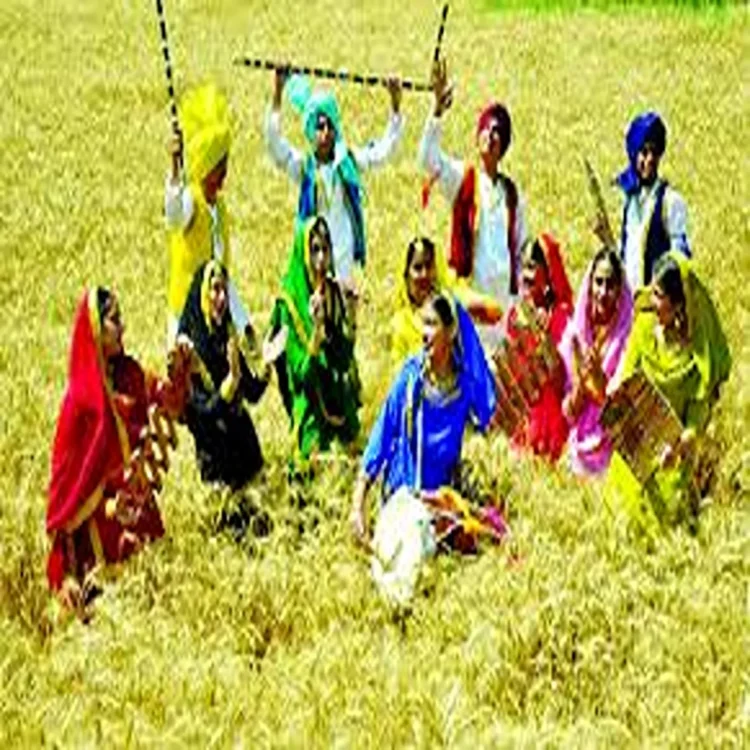
Baisakhi also marks an important time for farmers, as it signals the harvesting of the Rabi crop, especially wheat. For many in Punjab and Haryana, the festival is deeply connected to agricultural life, symbolizing hard work, gratitude, and the promise of abundance.
Remembering a Historic Tragedy
The day also holds historical significance beyond its religious and agricultural aspects. It marks the anniversary of the Jallianwala Bagh massacre in 1919, when many lost their lives during India’s struggle for independence. The occasion serves as a moment of remembrance for both known and unknown martyrs.
Pilgrims Travel Beyond Borders
Adding to the significance of the celebrations, a group of Sikh pilgrims recently departed from Amritsar to visit Gurudwara Sri Panja Sahib in Pakistan. They are expected to participate in special religious gatherings organized to mark Khalsa Sajna Diwas, further highlighting the global dimension of the festival.
Baisakhi continues to bring together faith, history, and community, reflecting the rich cultural and spiritual heritage of northern India.