
Handloom – Sharan Village Weaving Tradition Creates New Livelihoods for Women Artisans
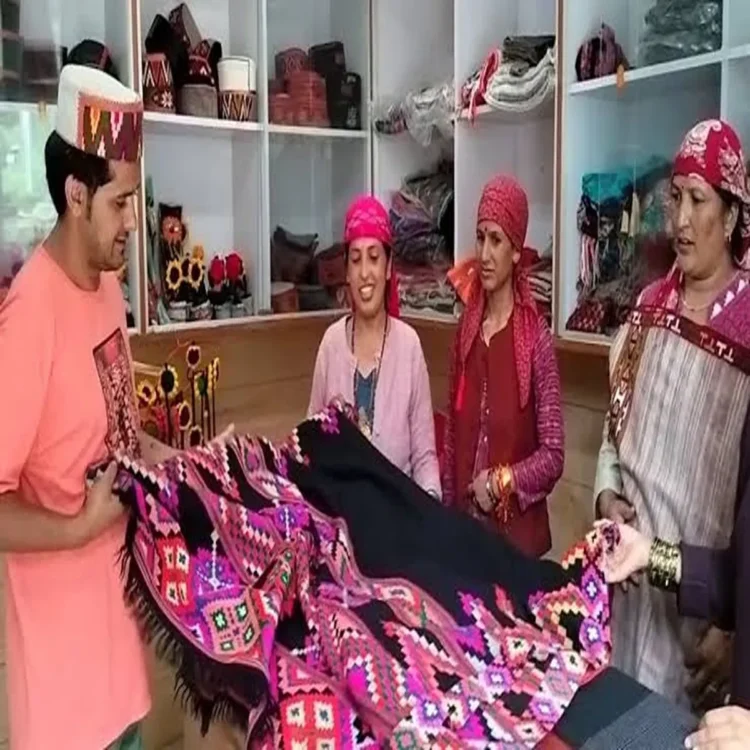
Handloom – Sharan village in Himachal Pradesh’s Kullu district has emerged as a successful example of how traditional crafts can strengthen rural livelihoods while safeguarding cultural heritage. Since being recognised as a Handloom Village by the Union Ministry of Textiles in 2020, the village has witnessed steady growth in weaving activities, creating fresh income opportunities for local families, especially women artisans, while keeping centuries-old craftsmanship alive.
Recognition Brought New Opportunities
Situated under the Rumsu Panchayat near Naggar, Sharan received the Handloom Village status after a survey conducted by the Ministry of Textiles. Officials found that nearly 95 percent of the homes in the village reflected the traditional Kath-Kuni style of architecture, while a large section of residents was already engaged in handloom weaving. These factors made the village eligible for the special recognition aimed at promoting traditional textile clusters.
The initiative has since encouraged local artisans to move beyond producing textiles solely for household use. Today, many families are weaving products specifically for the market, expanding their reach to customers from different parts of the country and visiting tourists.
Local Weavers Expand Their Product Range
Artisans in the village now manufacture a variety of handmade woollen products, including traditional pattu shawls, stoles, mufflers, caps and other handcrafted items. These products have become an important source of supplementary income for many households.
One artisan explained that the establishment of a dedicated handloom centre and retail outlet transformed the way villagers approached their craft. Earlier, products such as pattus were woven mainly for personal use. However, access to a common workspace and shop enabled artisans to produce goods for commercial sale. The artisan also noted that the community has diversified into crochet products and regularly designs items based on the preferences of tourists visiting the region.
Government Support Encouraged Women’s Employment
Another local weaver highlighted that handloom weaving has remained an integral part of family traditions for generations, with children often beginning to learn the craft during their teenage years. According to the artisan, government assistance through self-help initiatives provided both training and marketing support, helping expand business opportunities.
The artisan added that the availability of a dedicated shop significantly improved sales and encouraged more women to participate in weaving as a source of regular income. As a result, many women in the village have become financially independent while continuing to preserve a traditional skill that has been passed down across generations.
Preserving Heritage Alongside Economic Growth
The progress seen in Sharan demonstrates how targeted government initiatives can help protect traditional crafts while strengthening local economies. Increased demand for handmade textiles has enabled artisans to convert their inherited skills into sustainable livelihoods without compromising the authenticity of their weaving techniques.
By blending traditional craftsmanship with modern market access, the village has created a model that benefits both cultural preservation and rural development. The growing participation of women has further reinforced the social impact of the initiative, giving them greater economic security while ensuring that Himachal Pradesh’s weaving traditions continue to thrive.
National Handloom Day Highlights India’s Textile Legacy
National Handloom Day is observed every year on August 7 to honour India’s handloom weavers and recognise their contribution to preserving the country’s rich textile heritage. The date commemorates the launch of the Swadeshi Movement in 1905, which encouraged the use of indigenous products and promoted self-reliance.
The observance also serves as a reminder of the importance of supporting traditional artisans whose skills continue to contribute to India’s cultural identity and rural economy. Villages such as Sharan illustrate how preserving heritage and creating sustainable employment can go hand in hand through focused policy support and community participation.