
Bangladesh – Awami League Raises Fresh Concerns Over Alleged Jail Rights Violations
Bangladesh – Bangladesh’s Awami League has raised fresh allegations over the treatment of its political supporters held in Kashimpur High Security Central Jail, claiming that detainees have been subjected to punitive measures following public remarks by former Prime Minister Sheikh Hasina.
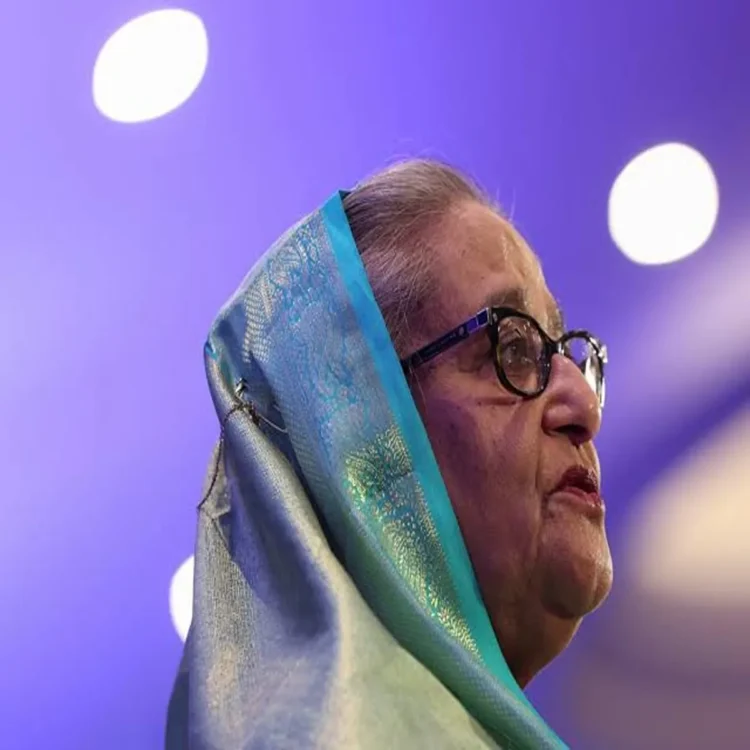
Bangladesh’s Awami League has voiced serious concern over what it describes as alleged human rights violations involving party-linked detainees at Kashimpur High Security Central Jail in Gazipur district. The party said information gathered from relatives of inmates, former prisoners, and prison-related sources suggests that individuals associated with the Awami League were denied adequate food and access to clean drinking water after former Prime Minister Sheikh Hasina delivered a virtual address earlier this week. The allegations have intensified demands for an independent inquiry into conditions inside the prison.
Allegations of Collective Punishment
According to the Awami League, disciplinary actions are allegedly imposed whenever Sheikh Hasina addresses the public. The party claimed that political detainees face collective punishment instead of individual disciplinary procedures, with restrictions reportedly affecting regular meal distribution and access to basic facilities. It argued that such practices, if proven, would raise serious concerns about the treatment of prisoners regardless of their political affiliation.
The party further alleged that after Hasina’s virtual speech on Wednesday, several detainees were reportedly left without meals for extended periods. Statements attributed to family members claimed inmates faced prolonged delays in receiving food, while former prisoners alleged that attempts to purchase additional food from the prison canteen using personal funds were frequently obstructed.
Claims Over Access to Drinking Water
Among the allegations, one former inmate reportedly claimed that prisoners were at times left without access to safe drinking water and were forced to use water from washroom facilities. The individual described the situation as degrading and inconsistent with internationally accepted standards of humane treatment for people in custody.
While these claims have not been independently verified, the Awami League stated that they warrant immediate attention because they involve access to essential necessities such as food, clean water, and basic dignity within a correctional facility.
Reference to International Human Rights Standards
The Awami League said that, if substantiated, the reported incidents could conflict with internationally recognized human rights principles, including the United Nations Standard Minimum Rules for the Treatment of Prisoners, commonly known as the Nelson Mandela Rules. These guidelines require authorities to provide prisoners with sufficient food, safe drinking water, medical care, and treatment that respects their dignity without discrimination or collective punishment.
The party also emphasized that legal and human rights advocates have consistently maintained that every detainee, irrespective of political beliefs or criminal charges, is entitled to protections guaranteed under domestic law as well as internationally accepted human rights norms.
Families Seek Independent Investigation
Relatives of those currently in custody have reportedly appealed for an impartial investigation into the allegations. According to the Awami League, families want authorities to ensure that all prisoners receive adequate nutrition, clean drinking water, appropriate medical attention, and protection from any form of abuse while in detention.
The party urged the Bangladeshi government to examine the claims transparently and take corrective action if any violations are established through an independent inquiry.
Sheikh Hasina Criticises Current Situation
The allegations emerged shortly after Sheikh Hasina addressed a press conference in New Delhi through an audio link on Wednesday. During her remarks, the former prime minister claimed that Bangladesh has continued to face political uncertainty, economic difficulties, and public insecurity over the past two years despite the Bangladesh Nationalist Party (BNP) taking office after what she described as a “rigged election.”
Hasina, who has been living in exile in India for the last two years, also announced that she intends to return to Bangladesh before the end of the year. She maintained that the country’s overall situation has not improved and asserted that many citizens continue to experience fear, economic hardship, and instability.