
FreedomFighter – Nation Pays Tribute to Chandrashekhar Azad
FreedomFighter – Prime Minister Narendra Modi on Friday honoured revolutionary leader Chandrashekhar Azad on his martyrdom day, recalling his enduring role in India’s struggle against British rule and his unwavering commitment to freedom.
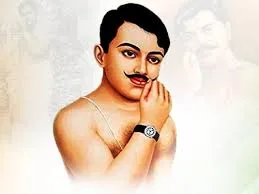
In a message shared on social media platform X, the Prime Minister described Azad as a brave son of the nation who devoted his life to ending colonial domination. He said the revolutionary’s sacrifice continues to inspire generations and remains etched in the country’s collective memory.
Home Minister Recalls Azad’s Fearless Resistance
Union Home Minister Amit Shah also remembered Chandrashekhar Azad, highlighting the courage and determination that defined his life. In his tribute posted on X, Shah noted that Azad stood firm against the British administration and remained defiant until his final moments.
He referred to Azad’s involvement in significant revolutionary actions, including the Kakori train incident and the reorganisation of the Hindustan Socialist Republican Association. Shah remarked that every chapter of Azad’s life reflected a deep commitment to India’s independence and continues to evoke a strong sense of patriotism.
Early Life and Revolutionary Beginnings
Born as Chandra Shekhar Sitaram Tiwari in 1906 in present-day Madhya Pradesh, Azad grew up during a period of intense political unrest. He spent part of his early life in the Unnao district, which was then part of the United Provinces under British administration.
Azad became involved in the freedom movement while still in his teens. At the age of 15, he took part in the Non-Cooperation Movement, marking the beginning of a journey that would place him among the leading revolutionary figures of his time. His early exposure to nationalist ideas shaped his resolve to challenge colonial authority.
Role in Revolutionary Organisations
Azad played a central role in strengthening underground revolutionary networks. After many members of the Hindustan Republican Association were either executed or imprisoned, including its founder Ram Prasad Bismil in 1927, Azad stepped forward to reorganise the group. Under his leadership, it evolved into the Hindustan Socialist Republican Association, drawing in young activists committed to armed resistance.
He was known for his disciplined approach and ability to mobilise youth. His efforts ensured that revolutionary activities continued despite severe crackdowns by British authorities.
The Kakori Train Action
One of the most notable episodes associated with Azad was the Kakori train action in August 1925. During the operation, revolutionaries halted a train travelling from Shahjahanpur to Lucknow and seized government funds being transported on board. The event marked a bold assertion against colonial rule and intensified British efforts to dismantle revolutionary networks.
Azad’s involvement in the operation reinforced his reputation as a determined organiser who was prepared to take significant risks for the cause of independence.
Final Encounter in Allahabad
Chandrashekhar Azad’s life came to an end on February 27, 1931, in Allahabad, now Prayagraj. Surrounded by police in Alfred Park, he chose to fight rather than surrender. According to historical accounts, he used his last bullet on himself to avoid capture, staying true to his pledge that he would never be taken alive by the British.
His words and actions left a lasting impression. He is remembered for declaring that he was born free and would remain free, a sentiment that resonated strongly during the freedom struggle.
Decades after his death, leaders across the political spectrum continue to acknowledge his contribution. Observances on his martyrdom day serve as a reminder of the sacrifices made by countless individuals who shaped India’s path to independence.