
FoodSafety – Delhi Civic Body Introduces Modern Hygiene Rules for Food Businesses
FoodSafety –The Municipal Corporation of Delhi (MCD) has rolled out a comprehensive set of updated operational guidelines for restaurants and other food establishments, replacing a regulatory approach that had largely remained unchanged since the Health Trade Bye-laws were introduced in 1964. The revised framework introduces a risk-based inspection system, establishes uniform hygiene standards, and reflects the changing landscape of the food service industry. According to the Public Health Department, the new rules have taken immediate effect across all MCD zones.
Inspection Frequency to Depend on Risk Assessment
The updated policy shifts away from fixed inspection schedules by introducing a system that evaluates businesses according to their level of public health risk. Officials will determine inspection frequency after considering factors such as the type of food operation, the category of establishment, previous compliance history, consumer complaints, and other safety-related indicators.
Businesses identified as high-risk will be subject to more frequent inspections by designated health officials. At the same time, establishments with a consistent record of compliance may face fewer routine inspections. Authorities have also retained the provision for surprise inspections whenever circumstances require immediate verification of food safety practices.
New Rules Cover Emerging Food Business Models
One of the key features of the revised framework is the inclusion of modern food service formats that have become increasingly common over the past decade. The guidelines now officially recognise cloud kitchens, delivery-only kitchens, takeaway units, food kiosks, chef carts, food courts, rooftop dining venues, and base kitchens.
Each category has been assigned operational requirements based on its scale of operations and potential health risks. Officials said this classification is intended to ensure that safety standards remain relevant to the unique nature of different food business models rather than following a one-size-fits-all approach.
Greater Focus on Public Health Protection
Civic officials said the revised regulations represent a significant policy shift from a licence-centric system to one that prioritises public health and disease prevention. The objective is to reduce the risk of food-borne and water-borne illnesses by promoting safer food handling, improved sanitation, and consistent hygiene practices throughout the food supply chain.
The framework also aligns with the Deemed Health Trade License system, under which food business operators are expected to take greater responsibility for maintaining compliance with prescribed standards instead of relying solely on periodic inspections.
Uniform Hygiene Standards Introduced Across Establishments
The guidelines establish common requirements for food hygiene, sanitation, potable water quality, pest management, waste handling, and personal cleanliness for staff across all categories of eating establishments. Officials believe these standardised measures will help improve food safety practices while ensuring greater consistency in enforcement.
The revised norms also define the role of the Health Trade License more clearly. While the licence will continue to certify hygiene and sanitation compliance, responsibilities related to fire safety and structural safety will remain with the business operators and the respective regulatory authorities.
Detailed Operational Requirements Specified
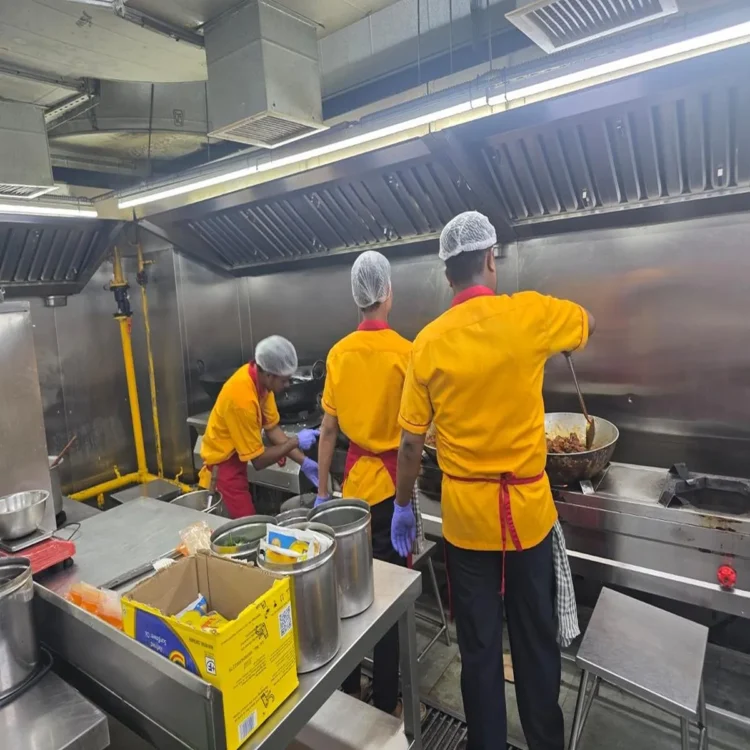
The new framework outlines several mandatory practices covering food preparation, storage, staff hygiene, sanitation, delivery operations, and documentation. Drinking water supplied for food preparation and consumption must undergo quality testing every six months. Separate preparation spaces have been made compulsory for vegetarian and non-vegetarian food to reduce the risk of cross-contamination.
Businesses dealing with high-risk food items will be required to maintain supplier records, while kitchens must use colour-coded utensils to support safe food handling procedures. Regular pest control measures, systematic waste segregation, and scientific disposal methods have also been included among the mandatory operational requirements.
Officials stated that the revised guidelines are intended to strengthen food safety standards across Delhi while ensuring that the city’s regulatory framework keeps pace with the evolving food service industry and contemporary public health expectations.