
FireSafety – Delhi Introduces Third-Party Fire Auditors for Building Certification
FireSafety –The Delhi government has initiated a new system to register and empanel independent fire safety auditors who will be permitted to issue fire safety certificates for buildings and other premises across the national capital. The step is intended to strengthen the fire safety certification process while expanding the number of qualified professionals available for inspections.
New Registration Process Begins
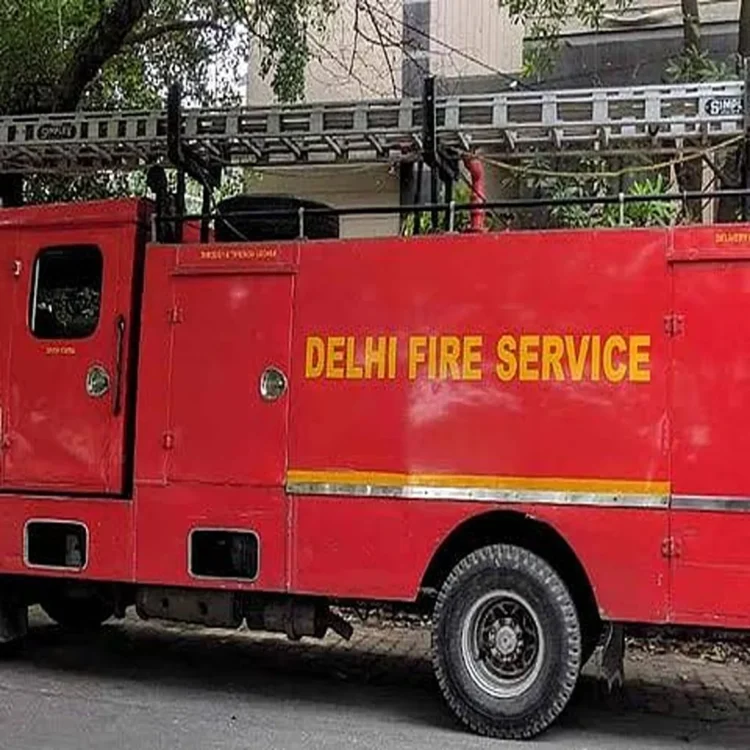
The Delhi Fire Service (DFS) on Thursday invited applications for the registration of third-party fire safety auditors under the Delhi Fire Service Amendment Rules, 2025. These revised rules were notified by the Home Department last month and introduce a structured framework for certifying eligible professionals.
Under the new regulations, auditors will be classified into three categories—L-1, L-2, and L-3—based on their educational qualifications and practical experience. Auditors in the L-1 and L-2 categories will be authorised to inspect and certify buildings and occupancies with heights of up to 15 metres. Those registered under the L-3 category will be eligible to issue fire safety certificates for every type of building, regardless of height or occupancy.
Decision Follows Recent Fire Incidents
The introduction of third-party auditors comes after a series of major fire incidents in Delhi, including the tragic hotel fire in Hauz Rani in June that resulted in the deaths of 22 people. Until now, the Delhi Fire Service was the only authority responsible for issuing fire safety certificates across the city.
Officials expect the new mechanism to improve the efficiency of the certification process while ensuring that buildings comply with prescribed fire prevention standards through qualified professionals.
Eligibility Criteria for Applicants
Candidates seeking registration must meet the qualifications specified under the amended rules. Eligible applicants should hold degrees in disciplines such as fire engineering, civil engineering, mechanical engineering, electronics, or architecture. Individuals with a postgraduate diploma in fire and life safety audit are also eligible to apply.
In addition to academic qualifications, applicants must have relevant experience in fire prevention and fire safety. Depending on the category of registration, the required work experience ranges from one year to ten years.
Successful applicants will receive registration that remains valid for three years.
Certification Procedure and Service Charges
Property owners or occupiers will be required to select an approved auditor from the empanelled list available on the Delhi Fire Service portal. After conducting a detailed inspection and verifying that all mandatory fire safety measures are in place, the auditor will issue a fire safety certificate along with a formal inspection report.
The government has also prescribed registration fees for auditors. The fee has been fixed at Rs 10,000 for the L-1 category, Rs 20,000 for L-2, and Rs 30,000 for L-3.
Auditors will be permitted to charge professional service fees ranging from Rs 10,000 to Rs 5 lakh. The amount will depend on factors such as the height of the building, covered area, occupancy type, and the complexity of installed fire safety systems, while remaining within the limits specified by the government.
Monitoring and Penalties for Violations
To maintain accountability, the Delhi Fire Service will carry out random inspections of at least five per cent of the fire safety certificates issued every quarter. Authorities will review the inspection reports and verify whether the certifications have been granted in accordance with the prescribed rules.
Strict action has been outlined against auditors found violating regulations or issuing false certificates. Such violations may attract financial penalties ranging from Rs 2 lakh to Rs 10 lakh. In serious cases, auditors can also be blacklisted and removed from the approved panel.
The government has clarified that obtaining a fire safety certificate does not transfer responsibility away from property owners or occupiers. They will continue to remain legally responsible for maintaining all required fire prevention and safety measures within their premises.