
Fertiliser Crisis – India Faces Supply Strain Ahead of Kharif Cropping Season
Fertiliser Crisis – India is preparing for the upcoming Kharif sowing season amid growing concerns over fertiliser availability after prolonged disruptions in global supply routes triggered sharp increases in import costs and pressure on domestic production systems.
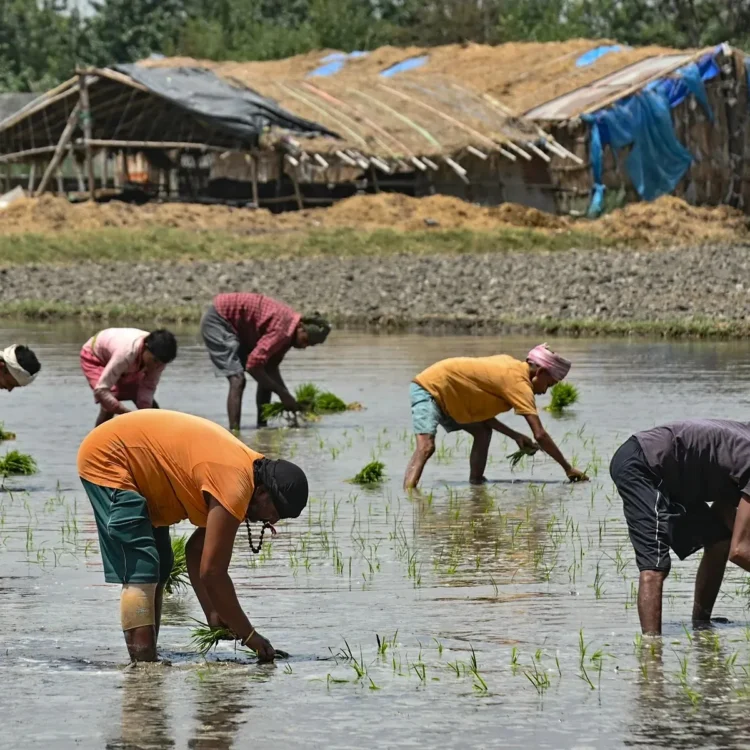
Global Supply Disruptions Push Import Costs Higher
The continuing blockade around the Strait of Hormuz since February 2026 has significantly affected the international movement of essential fertiliser materials, including urea, diammonium phosphate (DAP), ammonia, sulphur and liquefied natural gas (LNG). These commodities play a vital role in India’s agricultural sector and fertiliser manufacturing industry.
The disruption has led to a steep rise in import expenses over recent months. Urea prices, which were around $510 per tonne at the beginning of the year, surged close to $950 per tonne by April, reflecting tightening global availability and increased transportation risks.
Domestic Fertiliser Production Under Pressure
The impact has not been limited to imports alone. Domestic fertiliser production has also weakened due to shortages in LNG supply, a key fuel used in urea manufacturing plants. Production levels have reportedly declined to nearly 1.5 million tonnes per month, adding further strain ahead of the crucial sowing period.
Government figures indicate that India’s Kharif season requirement for urea stands at 19.4 million tonnes. At present, urea stocks are estimated at 76.65 lakh metric tonnes (LMT). Combined fertiliser inventory across categories has reached 199.65 LMT, which is higher than the 178.58 LMT recorded during the same period last year. However, officials acknowledge that the current stock levels remain below expected seasonal demand.
Demand-Supply Gap Raises Concerns
According to assessments by the Department of Agriculture and Farmers Welfare, the country’s overall fertiliser requirement for the Kharif season is projected at 390.54 LMT. Existing reserves therefore account for only about half of the anticipated demand.
India continues to depend heavily on imports to meet agricultural nutrient requirements. The country consumes nearly 70.7 million metric tonnes of fertilisers annually. Around 20 per cent of urea demand is fulfilled through imports, while dependence rises to nearly 50 per cent for DAP and 100 per cent for muriate of potash (MOP).
Energy dependence further complicates the situation. Nearly 85 per cent of the natural gas used in domestic urea production is imported, and a large portion of those supplies transit through the Strait of Hormuz. Experts estimate that the sector’s effective exposure to external supply risks now ranges between 68 and 70 per cent.
Government Reviews Energy and Supply Security
Amid the growing uncertainty, Defence Minister Rajnath Singh chaired the fifth meeting of the Informal Group of Ministers on West Asia earlier this week. During the meeting, emphasis was placed on maintaining uninterrupted energy supplies, securing maritime trade corridors and preserving economic stability during the ongoing regional tensions.
The minister also highlighted the importance of promoting fuel efficiency and responsible energy consumption practices across government departments and state administrations.
Prime Minister Narendra Modi has meanwhile encouraged farmers to gradually reduce chemical fertiliser usage and adopt natural farming techniques. He has also advocated wider use of solar-powered irrigation systems as an alternative to diesel-operated pumps. However, these recommendations remain advisory in nature and are expected to require long-term implementation efforts.
Emergency Imports Initiated
To address immediate concerns, the government has initiated emergency imports of around 2.5 million tonnes of urea through Indian Potash Limited. Officials are working to stabilise supplies before peak agricultural demand begins across major farming states.
Despite these measures, experts note that current buffer reserves covering roughly 30 to 45 days may not be sufficient if global disruptions continue for an extended period. With the supply crisis already stretching beyond 70 days, policymakers are closely monitoring international developments and domestic inventory levels ahead of the full-scale Kharif cultivation cycle.