
Exports – Tender Coconut Shipments from Pollachi Face Prolonged Disruption
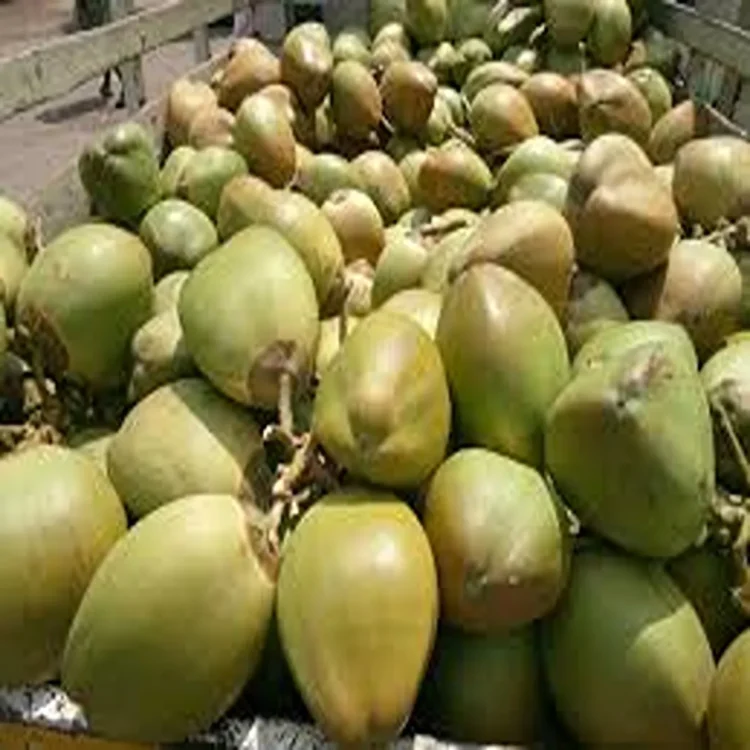
Exports – Tender coconut exports from Pollachi, a major coconut-producing hub in Tamil Nadu’s Coimbatore district, have come to a near standstill over the past two months. Traders attribute the slowdown to rising freight rates and extended shipping durations linked to ongoing tensions in West Asia, which have unsettled global maritime routes.
Rising Freight Costs Make Trade Unsustainable
Exporters say the sharp escalation in transportation costs has made overseas shipments financially impractical. With freight charges climbing unpredictably, many businesses have chosen to cancel orders despite steady demand from international buyers. The uncertainty surrounding delivery schedules has further discouraged exporters, who are wary of potential losses tied to delayed consignments.
Shipping Delays Disrupt Key Trade Routes
The situation has been worsened by disruptions across major global shipping corridors. Movement through the Suez Canal has slowed significantly, while vessels are being rerouted to avoid sensitive zones. These detours have stretched delivery times to European destinations to nearly a month. Routes to Gulf countries have also been affected, with ships navigating longer paths around the Strait of Hormuz, effectively doubling transit durations.
Exports to Multiple Regions Suspended
Due to these logistical challenges, shipments to several important markets have been temporarily halted. Gulf nations such as Saudi Arabia and Kuwait, once regular buyers, have seen a pause in supplies. Similarly, exports to Europe, East Asia, and North America have also been suspended as traders struggle to maintain consistent delivery timelines.
Perishability Adds to Export Challenges
Tender coconuts are highly perishable, typically lasting only about a week under normal conditions. The extended shipping periods have made it increasingly difficult to preserve quality, rendering long-distance exports impractical. Traders note that even minor delays can significantly affect freshness, leading to rejection of consignments upon arrival.
Domestic Issues Compound the Crisis
Apart from international disruptions, the sector is also facing challenges at home. Labour shortages have emerged as workers shift toward election-related duties, affecting key processes such as harvesting, de-husking, and packaging. This has slowed down operations across farms and export facilities.
Rising Input Costs and Falling Yields
Farmers are also grappling with higher input costs, particularly for fertilisers, which have increased in the wake of geopolitical tensions. At the same time, crop output has declined due to pest infestations, including whitefly attacks and root wilt disease. A prolonged dry spell has further reduced productivity, with some growers reporting yield drops of up to 25 percent.
Pollachi’s Importance in Coconut Production
Pollachi remains a critical centre for coconut cultivation, covering nearly 86,800 hectares in the district. The region is known for producing tender coconuts with high water content, making them especially popular in both domestic and international markets.
Domestic Demand Offers Limited Relief
While exports have stalled, local demand has provided some stability for farmers. Prices at the farm level are currently around Rs 49 per coconut, while retail rates in several markets exceed Rs 60. However, industry stakeholders caution that domestic sales alone may not fully compensate for the loss of export revenue if the situation persists.