
EnergyCrisis – Jharkhand Courts Shift to Hybrid Hearings Amid Fuel Shortage
EnergyCrisis – The Jharkhand High Court has ordered all lower courts in the state to immediately begin functioning in a hybrid mode as authorities respond to the ongoing fuel and energy crisis affecting daily operations.
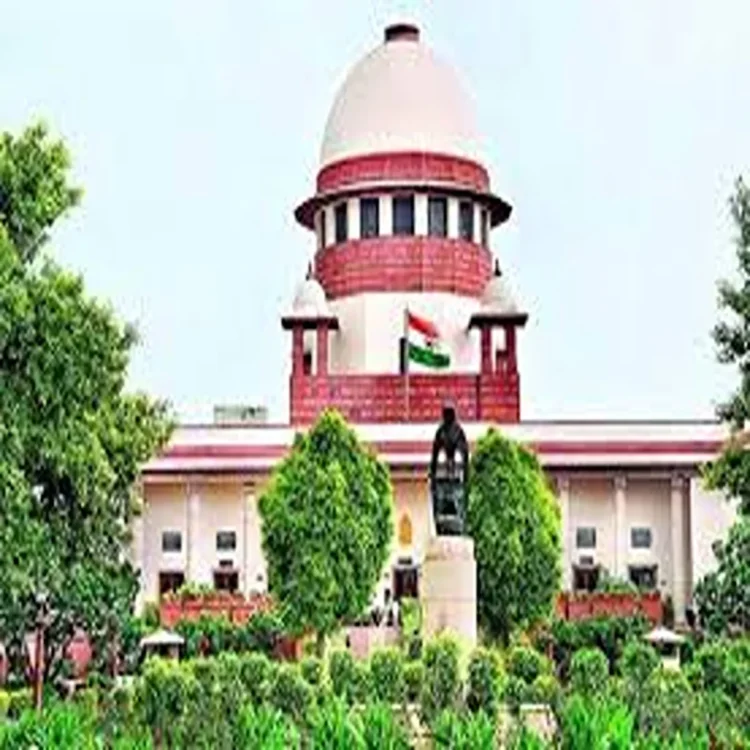
The new arrangement allows court hearings, witness examinations, and related judicial proceedings to take place both physically and through video conferencing platforms. The decision aims to ensure that legal proceedings continue without disruption despite growing concerns over fuel availability in several districts.
High Court Issues Immediate Administrative Directions
The directive was sent to all Principal District and Sessions Judges across Jharkhand, including the Judicial Commissioner of Ranchi. Officials have been instructed to put the hybrid system into operation without delay and make necessary arrangements for virtual participation in court matters.
Registrar General Satyaprakash Sinha communicated the order through an official letter, stating that the move was taken in view of the prevailing energy crisis in the state. According to the communication, the decision follows instructions issued by Chief Justice MS Sonak.
The High Court administration said the hybrid arrangement would also be implemented in the High Court after the ongoing summer vacation concludes. The Jharkhand High Court is currently closed for vacation and is expected to reopen on June 8.
Lawyers and Litigants Encouraged to Join Virtually
Court authorities have appealed to advocates, litigants, and witnesses to make greater use of virtual hearing facilities. Officials believe the digital system can reduce unnecessary travel while ensuring court work continues smoothly during the present situation.
The High Court has also clarified that all virtual proceedings must strictly follow the rules, standard operating procedures, and guidelines already prescribed for online hearings. Judicial officers have been asked to ensure proper compliance during video conferencing sessions.
Legal experts believe the decision could help reduce delays in court proceedings, especially at a time when transportation and fuel-related difficulties are affecting normal movement across parts of the state.
Carpooling Measures Introduced for Court Staff
Alongside virtual hearings, the High Court has introduced fuel-saving measures for judicial officers and court employees. All staff members have been advised to adopt carpooling and vehicle-sharing arrangements for their daily commute to courts and offices.
The administration stated that these steps are intended to minimize fuel consumption during the ongoing crisis. Officials have been directed to cooperate with one another in implementing shared transport systems wherever possible.
The move comes as several petrol pumps in Jharkhand have reportedly experienced shortages in recent days. In some areas, fuel stations remained closed because of supply-related disruptions linked to the wider global energy situation.
Demand for Online Hearings Grew in Recent Days
Earlier this week, a group of advocates had approached the court administration seeking online hearings due to the difficulties created by fuel scarcity. Lawyers argued that virtual proceedings would help maintain regular court functioning while reducing travel burdens for legal professionals and litigants.
The High Court acknowledged the concerns raised by the legal community and observed that the current circumstances required practical adjustments. Authorities noted that shifting to digital operations where possible would help maintain continuity in the justice delivery system.
The court also referred to broader public advisories encouraging reduced travel and remote working practices. In recent days, Prime Minister Narendra Modi had appealed to citizens to work from home wherever feasible in light of the fuel situation.
Digital Transition Gains Momentum in Judiciary
The latest decision reflects the judiciary’s increasing reliance on digital infrastructure introduced during earlier periods of disruption. Since the expansion of virtual hearing systems in recent years, courts across the country have gradually adopted technology-based proceedings for selected cases and administrative matters.
Officials in Jharkhand believe the temporary hybrid model can help courts operate efficiently while supporting fuel conservation efforts during the present emergency.