
EnergyCrisis – Gujarat Ceramic Industry Faces Shutdown Amid Fuel Shortages
EnergyCrisis – A severe fuel shortage linked to escalating tensions in West Asia has brought large parts of India’s ceramic manufacturing industry to a standstill, particularly in Gujarat’s Morbi region, one of the world’s leading tile production hubs. Hundreds of factories have halted operations as access to propane and liquefied petroleum gas (LPG) becomes increasingly restricted, leaving workers and business owners grappling with uncertainty.
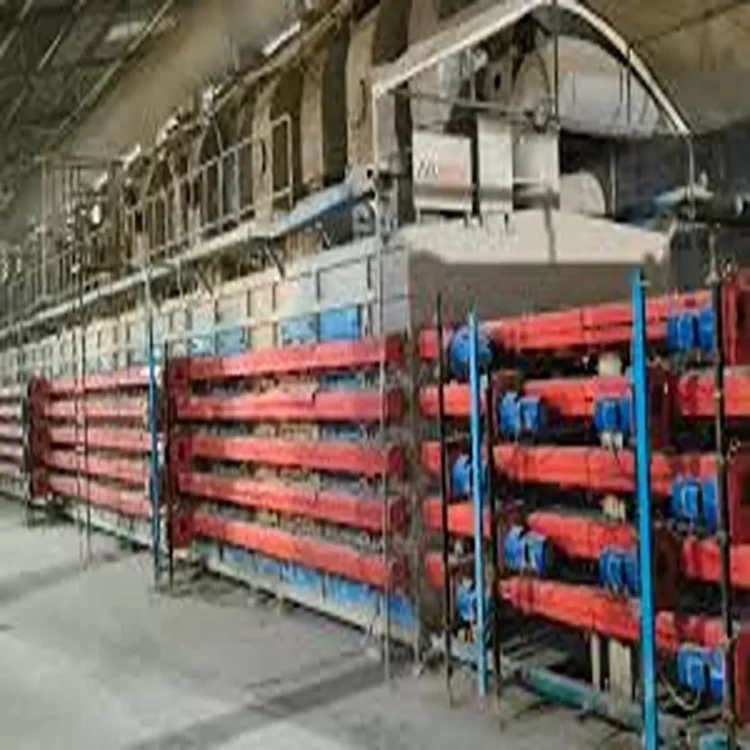
Fuel Supply Disruption Hits Industrial Core
Morbi, which contributes nearly 90 percent of India’s ceramic output, has been among the hardest hit. Kilns that typically operate continuously at high temperatures have gone cold due to a lack of fuel. These facilities depend heavily on propane to maintain uninterrupted production, and even short disruptions can lead to costly damage and operational setbacks.
The crisis stems from interruptions in LPG imports, a majority of which pass through the strategically critical Strait of Hormuz. Following recent military developments in West Asia, the route has faced blockages, significantly affecting global energy flows. As a result, India’s industrial fuel supply has tightened considerably.
Government Prioritizes Household Consumption
In response to the shortage, authorities have redirected available LPG supplies toward domestic use, ensuring households continue to receive cooking fuel. While this move has helped avoid widespread disruption in daily life, it has placed immense pressure on industrial users.
Manufacturers across sectors, including ceramics, plastics, and metals, have been forced to scale back production. For industries like ceramics that rely on continuous high-temperature processes, intermittent fuel supply is not a viable option, leading to widespread shutdowns.
Factories Shut, Workers in Limbo
Industry representatives estimate that more than 400 ceramic units in Morbi have suspended operations due to the fuel crunch. The shutdowns have had a cascading effect on employment, with hundreds of thousands of workers either temporarily laid off or facing reduced work hours.
Migrant workers, who form a significant portion of the workforce, are particularly vulnerable. Many are uncertain whether to remain in the city or return to their hometowns, as there is little clarity on when normal operations might resume.
Factory owners are also under strain. With no production, they continue to face fixed expenses such as loan repayments, maintenance costs, and wages. For many, the financial burden is mounting rapidly with no immediate relief in sight.
Rising Costs for Operational Units
A small number of manufacturers have managed to keep their units running by purchasing propane at significantly higher prices. In some cases, fuel costs have more than doubled compared to pre-crisis levels. While this allows them to fulfill existing export orders, it comes at the expense of profitability.
Industry leaders suggest that absorbing short-term losses may help maintain long-term business relationships, but this strategy is not sustainable for all players, especially smaller units with limited financial reserves.
Structural Dependence on Imported Energy
The current situation has highlighted the industry’s heavy reliance on imported fuel. Despite its strong production base and export network, the ceramic sector in Gujarat lacks sufficient alternative energy infrastructure.
Experts note that while India has been investing in cleaner energy solutions such as hydrogen and electric-powered systems, adoption in ceramic manufacturing remains limited. Technical challenges, particularly in achieving the same quality standards, have slowed the transition.
Looking Ahead: Need for Diversification
Efforts are underway to stabilize the supply situation. The government has initiated steps to increase domestic LPG production and secure shipments from alternative sources, including Australia and Russia. However, these measures may take time to fully address the shortage.
In the longer term, industry stakeholders are calling for greater investment in alternative energy technologies to reduce dependence on volatile international supply chains. Developing hybrid kiln systems and scaling up green energy solutions could offer a more resilient path forward.
For now, the ceramic industry in Morbi remains in a state of uncertainty, caught between global geopolitical shifts and local economic realities.