
EnergyConservation – Delhi Government Limits Official Vehicle Usage After PM Appeal
EnergyConservation – The Delhi government has introduced fresh measures to reduce fuel consumption and encourage energy conservation following Prime Minister Narendra Modi’s recent appeal for austerity and sustainable living. Chief Minister Rekha Gupta announced that ministers, BJP legislators, senior officials, and government departments in the national capital will restrict the use of official vehicles and increasingly rely on carpooling and public transport for routine work.
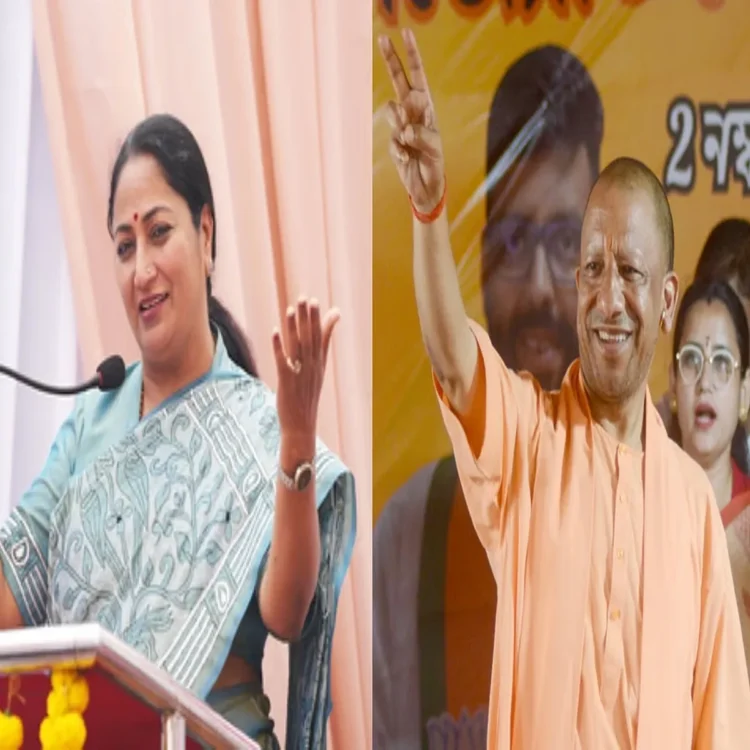
The decision comes at a time when the Centre is urging citizens to reduce dependence on imported fuel amid global uncertainties and rising energy costs linked to tensions in West Asia.
Delhi Government Announces Vehicle Restrictions
In a statement shared on social media late Tuesday, Rekha Gupta said the administration had decided to reduce the number of vehicles being used for departmental activities. She noted that the move was inspired by Prime Minister Narendra Modi’s call to make energy conservation a public movement across the country.
According to the Chief Minister, members of her Cabinet, BJP MLAs, public representatives, and officials from different government departments will now use vehicles only when necessary. She also stressed the importance of choosing carpooling and public transportation whenever possible.
Gupta appealed to residents of Delhi to participate in the effort, saying that energy conservation requires collective participation from both the government and the public.
PM Modi Pushes for Lower Fuel Consumption
Prime Minister Modi recently made a series of public appeals encouraging citizens to reduce petrol and diesel usage. He advised people to prefer public transport, electric vehicles, and shared travel arrangements in order to lower fuel consumption and strengthen economic resilience during a period of international instability.
The Prime Minister also highlighted the need to cut reliance on imported resources, pointing out that global disruptions can place additional pressure on the Indian economy. His remarks focused on reducing unnecessary expenditure on fuel imports while promoting environmentally responsible alternatives.
Changes Introduced in Prime Minister’s Convoy
Sources indicated that the Prime Minister has personally adopted some of the measures he has been advocating. During his recent visits to Gujarat and Assam, the number of vehicles accompanying his convoy was reportedly reduced while maintaining all mandatory security arrangements under Special Protection Group guidelines.
Officials familiar with the matter said the downsizing of the convoy took place shortly after the Prime Minister addressed a gathering in Hyderabad where he spoke about fuel conservation and responsible consumption.
Despite the reduction in convoy size, all essential security systems remained fully operational to ensure the Prime Minister’s safety during travel.
Electric Vehicles to Be Included in Official Travel
In another step aimed at promoting sustainable mobility, the Prime Minister has reportedly instructed officials to incorporate electric vehicles into his convoy wherever practical. Sources said this transition would be carried out without making additional vehicle purchases, indicating that existing resources would be utilised efficiently.
The move reflects the government’s broader emphasis on cleaner transportation and reduced fossil fuel dependence. Electric mobility has become a key component of India’s long-term environmental and energy strategy, with both central and state governments encouraging wider adoption through policy support and public awareness campaigns.
Broader Appeal for Economic and Environmental Responsibility
Apart from fuel conservation, Prime Minister Modi has also urged citizens to reduce edible oil consumption and called on farmers to gradually shift towards natural farming practices. He said India spends substantial foreign exchange on importing chemical fertilisers and edible oils, making self-reliance an important economic objective.
The Prime Minister emphasised that reducing chemical fertiliser use would not only lower import dependence but also help protect soil quality and the environment. He encouraged farmers to adopt sustainable agricultural methods that support long-term ecological balance while strengthening the rural economy.
The latest measures by the Delhi government are being viewed as part of a wider national effort to encourage responsible consumption, improve energy efficiency, and promote sustainable living practices across sectors.