
Elections – NDA Dominance Reshapes Assam Politics After Historic Victory
Elections – The outcome of the latest Assembly elections in Assam has significantly altered the state’s political balance, with the BJP-led National Democratic Alliance (NDA) delivering a decisive performance that has left opposition parties struggling to remain relevant.
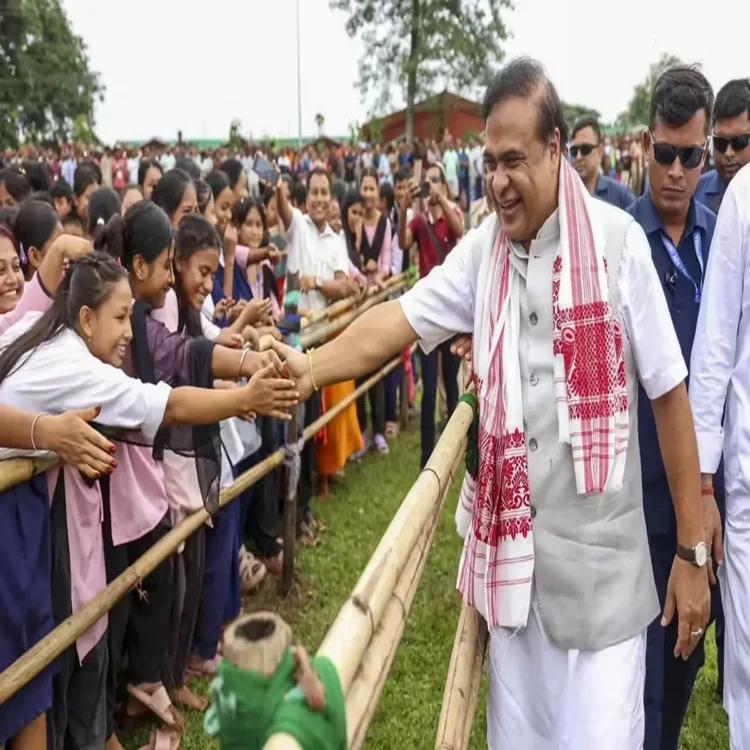
Record-Breaking Performance by NDA
In the 126-seat Assembly, the NDA secured an unprecedented 102 seats, marking one of the most commanding victories in the state’s electoral history. The Bharatiya Janata Party (BJP) alone accounted for 82 of these seats, achieving a clear majority independently for the first time in Assam. This result underscores the party’s expanding influence and its ability to consolidate voter support across regions.
Opposition Faces Significant Setback
The opposition alliance, comprising six parties, recorded a disappointing performance. The Congress managed to win only 19 seats, a drop from its previous tally, while the Raijor Dal secured just two. Other parties such as the Trinamool Congress and the All India United Democratic Front (AIUDF), which contested separately, won one and two seats respectively.
Political analysts suggest that the fragmented approach and lack of cohesive messaging weakened the opposition’s appeal. The alliance now faces pressing questions about its leadership structure, campaign strategy, and long-term relevance in Assam’s political landscape.
Leadership Gap and Strategic Challenges
Despite having prominent leaders like Gaurav Gogoi in the Congress, along with vocal figures such as Lurinjyoti Gogoi and activist Akhil Gogoi, the opposition has struggled to present a unified and widely accepted leader. Observers point out that none of these figures currently match the political reach and influence of Chief Minister Himanta Biswa Sarma.
Experts argue that without a strong leadership figure and a clearly defined narrative, the opposition may find it increasingly difficult to challenge the BJP in future elections.
Declining Support and Internal Pressures
The Congress, which once held a stronger position in the state, has now seen its seat count decline steadily since 2016. This continued downward trend has raised concerns about its organisational strength and voter base.
Defeats of this scale often trigger internal disagreements, and similar tensions are expected within opposition parties. Leadership accountability, campaign decisions, and alliance strategies are likely to come under scrutiny. Such situations may lead to structural changes, including leadership reshuffles or internal divisions.
Youth Candidates Fail to Deliver Impact
Regional parties attempted to introduce younger candidates, including several high-profile Gen Z faces, hoping to attract new voters. However, this strategy did not translate into electoral gains. While the youth-centric approach generated attention, it failed to convert enthusiasm into tangible results at the ballot box.
BJP’s Narrative Gains Traction
The BJP’s campaign, built around themes of land protection, identity, and security, resonated strongly with voters. Policies such as eviction drives and measures against illegal immigration played a key role in shaping public perception and helped the party maintain a clear advantage over its rivals.
Additionally, the composition of Congress winners—predominantly from the Muslim community—provided the BJP with an opportunity to strengthen its narrative and further consolidate its voter base.
Road Ahead for Opposition Alliance
The scale of the defeat has placed the opposition alliance at a critical juncture. Political observers believe that a comprehensive reassessment is necessary, including a review of alliance dynamics and voter outreach strategies.
Senior journalist Amarendra Deka noted that major losses often expose leadership shortcomings and strategic errors. He also highlighted that such setbacks can weaken grassroots motivation, making it harder for parties to sustain organisational momentum.
Future Political Landscape in Assam
With three consecutive electoral defeats since 2016, the Congress and its allies face the risk of long-term marginalisation unless corrective measures are taken. Rebuilding voter trust, strengthening local networks, and crafting a compelling alternative narrative will be crucial for their revival.
Meanwhile, the NDA’s strong mandate has reinforced its position as the dominant political force in Assam. If current trends continue, the state could witness further consolidation of power by the ruling alliance, leaving limited space for opposition resurgence in the near future.