
ElectionDispute – Congress Plans Public Campaign After Supreme Court Verdict
ElectionDispute – The Congress party is preparing to expand its opposition campaign beyond legal forums after the Supreme Court declined to entertain a petition filed by senior party leader Meenakshi Natarajan regarding the rejection of her nomination for the Rajya Sabha election. Party insiders indicated that a detailed roadmap for the upcoming protest programme is expected to be unveiled next week.
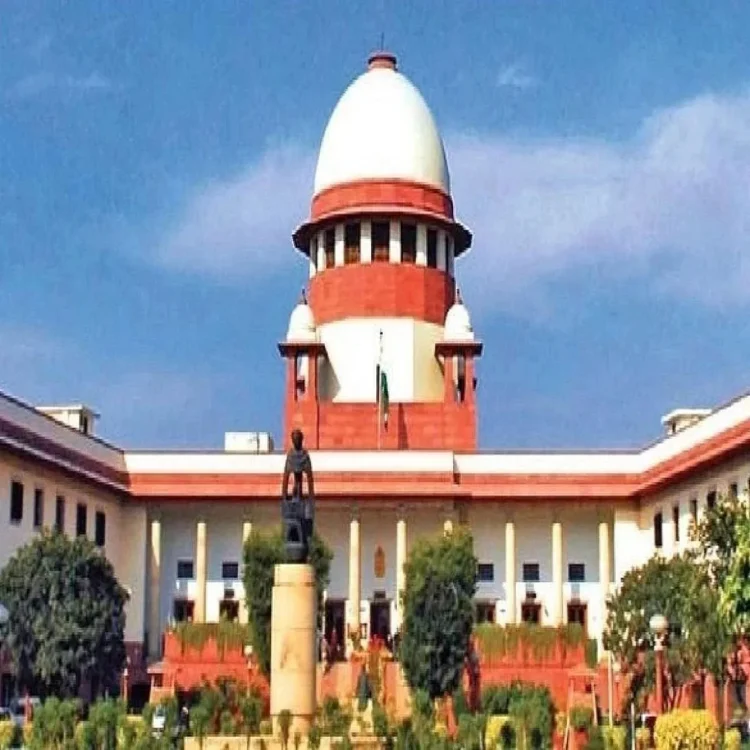
Supreme Court Declines Immediate Relief
On Friday, the Supreme Court dismissed Natarajan’s petition challenging the rejection of her nomination papers. However, the court allowed her the option of pursuing the matter through an election petition. The bench, comprising Justices Prashant Kumar Mishra and Atul S. Chandurkar, did not accept the argument that constitutional remedies under Article 32 should be used to address what the petitioner described as serious errors in the scrutiny process.
According to sources within the Congress, discussions are underway regarding further legal measures. At the same time, the party is preparing a broader political campaign that will highlight concerns related to election procedures, unemployment, and alleged irregularities in competitive examinations.
Natarajan Defends Nomination Filing
Addressing journalists after the court proceedings, Natarajan maintained that all required information had been properly disclosed in Form 26, the affidavit submitted by election candidates. She argued that the form did not contain any provision requiring disclosure of private complaints or legal notices.
She stated that had such a section existed, she would have willingly provided all relevant information. Referring to the issue at the centre of the dispute, Natarajan said the allegation against her was based on claims that certain facts had been omitted from the affidavit.
Clarification on Legal Notice
Natarajan emphasized that election rules primarily require candidates to disclose pending criminal cases or convictions involving punishable offences. According to her, none of those circumstances applied in her case.
She explained that the only matter connected to her was a legal notice, which had not yet been taken up for consideration by any court. Because of this, she marked the relevant sections as “Not Applicable” while also providing complete details of the notice in documents submitted separately to the Election Commission.
The Congress leader questioned where such information was expected to be recorded if the prescribed form itself did not contain a specific column for that purpose. She said greater clarity was needed regarding disclosure requirements for candidates.
Congress Raises Political Concerns
Madhya Pradesh Congress president Jitu Patwari described the episode as unprecedented, claiming that the rejection of a Rajya Sabha candidate’s nomination had rarely attracted such widespread attention in Indian politics. He said the matter had sparked debate across the country and raised important questions about electoral processes.
Party leaders believe the issue extends beyond an individual candidature and touches on larger concerns related to democratic participation and fairness in elections. The Congress is expected to incorporate these themes into its upcoming outreach efforts.
Party Statement Targets Election Narrative
In an official statement, the Congress portrayed the June 2026 Rajya Sabha election as a contest representing two contrasting backgrounds and perspectives. The party claimed that one candidate symbolized powerful corporate interests, while the other represented ordinary citizens and constitutional ideals.
As the political debate intensifies, both the legal and public dimensions of the controversy are likely to remain in focus in the coming weeks, with the Congress preparing to take its campaign directly to voters across the country.