
Education Reform – Cockroach Janta Party Chooses Pressure Group Role Amid National Issues
Education Reform – The Cockroach Janta Party (CJP) has announced that it will currently function as a public pressure group while continuing to campaign on education reforms, institutional accountability, and employment-related concerns.
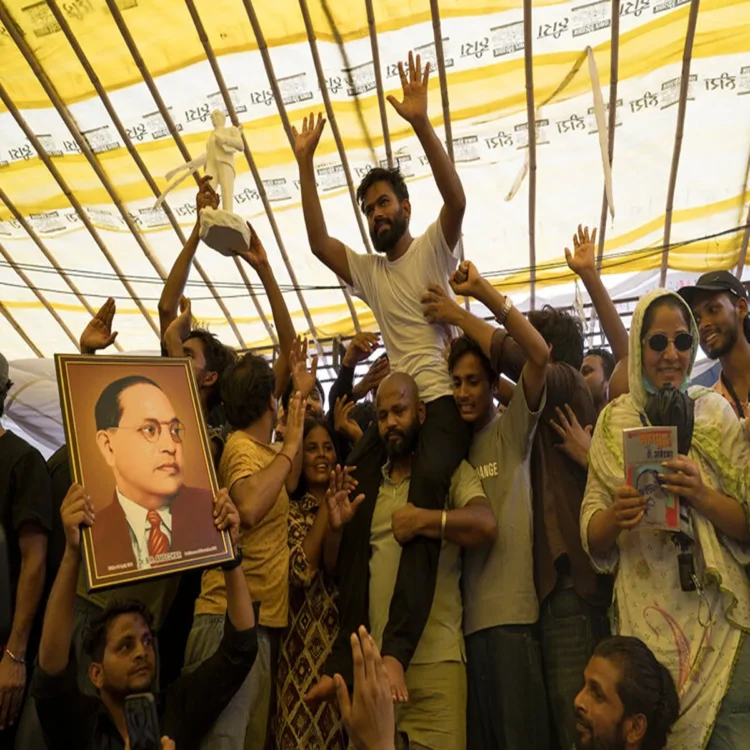
The Cockroach Janta Party (CJP) has decided not to operate as a conventional political party at this stage, opting instead to work as a pressure group focused on raising public concerns. The announcement was made on Wednesday by the organisation’s founder, Abhijeet Dipke, before a core committee meeting held in Chhatrapati Sambhajinagar, Maharashtra. The gathering was convened to discuss several national issues, including declining confidence in public institutions, ethanol-blended fuel policies, and unemployment.
Focus Remains on Public Advocacy
Addressing the media before the meeting, Dipke said the country’s current situation requires an organisation capable of influencing public policy rather than directly participating in electoral politics. According to him, CJP believes that sustained public advocacy can play a more effective role in addressing pressing national concerns at this point.
The meeting also aimed to identify priority areas where the organisation intends to engage with policymakers and civil society through campaigns and public discussions.
Sonam Wangchuk to Continue as Mentor
CJP chief spokesperson Saurav Das confirmed that social activist Sonam Wangchuk will continue to guide the organisation in an advisory capacity. He said the party values Wangchuk’s experience and intends to consult him on important policy matters and future initiatives whenever required.
Das added that the organisation considers independent guidance essential while shaping its campaigns on education and governance-related issues.
Demand for Withdrawal of Cases Against Students
One of the key issues discussed during the meeting was the legal action taken against students who participated in demonstrations organised by CJP over alleged irregularities in the NEET examination process. The organisation has called for the withdrawal of FIRs registered against student protesters and stated that discussions with government representatives are ongoing regarding the matter.
According to Das, CJP believes students should not face legal consequences for participating in peaceful movements seeking transparency and accountability in the examination system.
Assistance for Injured Protesters
The organisation also announced that it is working to extend legal support and medical assistance to individuals who were injured during student protests held in different parts of the country. CJP said efforts are underway to coordinate with legal professionals and healthcare providers so that affected participants receive appropriate support.
The leadership maintained that helping those impacted during the demonstrations remains one of its immediate priorities.
Wider Discussion on National Concerns
Apart from education-related matters, the core committee examined broader policy issues that it believes deserve public attention. Among the topics discussed were declining trust in institutions such as the judiciary and the media, concerns surrounding ethanol-blended fuel, and the continuing challenge of unemployment.
The organisation indicated that these subjects would remain central to its future campaigns and public outreach activities.
Background of the NEET Protest Movement
Abhijeet Dipke returned to India from the United States in June to lead a nationwide campaign highlighting alleged irregularities in the NEET-UG examination. The movement drew participation from students across multiple states, with demonstrations held in Delhi and several other cities demanding reforms in the examination process and the resignation of Union Education Minister Dharmendra Pradhan.
The campaign gained considerable support among younger participants, particularly members of Generation Z. While many protests remained peaceful, some locations witnessed clashes and police intervention. Authorities registered cases against several student protesters in cities including Delhi, Mumbai, Kolkata, and parts of Bihar following incidents linked to the demonstrations.