
Waste Management – Delhi Targets Full Daily Solid Waste Processing by 2028
Waste Management – The Municipal Corporation of Delhi has outlined a phased plan to significantly expand its waste processing network, aiming to ensure that every tonne of municipal solid waste generated in the city is treated on the same day by 2028.
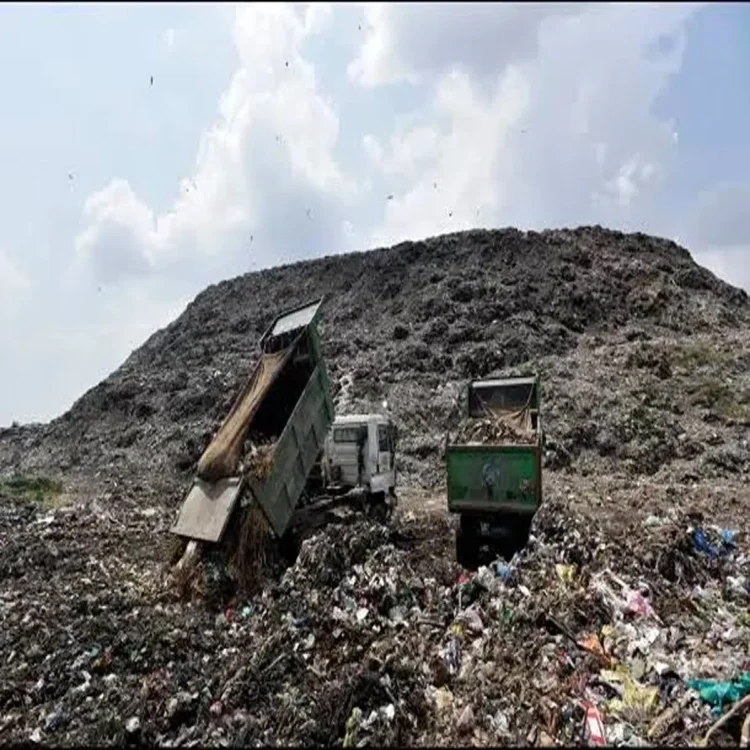
Delhi’s civic administration has prepared a roadmap to eliminate the daily gap between waste generation and processing by increasing treatment capacity over the next few years. Until the required infrastructure is fully operational, the Municipal Corporation of Delhi (MCD) plans to depend on temporary fresh waste segregation centres to stop newly collected garbage from adding to the city’s existing waste burden.
Interim Facilities to Address the Current Processing Gap
Officials associated with the project said these temporary facilities are intended to serve as a practical solution while larger waste processing plants are being developed. The city currently produces nearly 13,500 tonnes of municipal solid waste every day, but existing facilities can process only around 7,500 tonnes. This leaves approximately 6,000 tonnes of waste without treatment on a daily basis.
To bridge this shortfall, the MCD is planning to establish fresh waste segregation centres with a combined handling capacity of nearly 6,000 tonnes per day. Proposed locations include Singhola and Narela, where newly collected waste will be sorted before its final disposal or treatment until permanent processing plants become functional.
Long-Term Capacity Expansion Planned
The civic body has also prepared a long-term expansion strategy that includes creating nearly 8,000 tonnes per day of additional waste processing capacity by 2028. Officials believe this expansion will not only eliminate the present deficit but also accommodate future growth in waste generation.
According to officials, without such interim arrangements, waste that remains untreated each day would continue to accumulate, creating an even larger challenge before the new processing infrastructure becomes operational. The temporary segregation facilities are therefore expected to play an important role in ensuring that fresh waste does not contribute to growing landfill volumes.
Preventing Fresh Waste Accumulation
Officials involved in the planning process said the objective is to ensure that every day’s waste is managed without creating a backlog. Even a relatively small quantity of untreated waste left behind daily can eventually result in massive accumulation over time.
The expansion plan also considers the city’s projected increase in waste generation. Estimates suggest that municipal solid waste is expected to grow by nearly 3.9 percent annually due to rising population levels and expanding economic activity. The proposed infrastructure has been designed with this future demand in mind.
Focus Beyond Infrastructure
While expanding processing facilities remains a key priority, officials stressed that infrastructure alone will not solve Delhi’s waste management challenges. Strengthening door-to-door waste collection and encouraging segregation at the household level will remain equally important.
The MCD is continuing efforts to improve compliance with the Solid Waste Management Rules by promoting better waste handling practices among residents. Public awareness campaigns are also being strengthened to encourage households and residential colonies to separate waste at the source, making recycling and processing more efficient.
Officials believe that combining modern processing infrastructure with improved public participation will help the city move towards a more sustainable waste management system. By ensuring that freshly generated waste is processed daily and by reducing dependence on landfills, the MCD aims to create a cleaner and more efficient solid waste management framework for Delhi over the coming years.