
Education – Delhi Schools Launch Comprehensive Reading Programme to Improve Student Learning
Education -Delhi government schools are introducing a structured reading programme designed to strengthen literacy skills and encourage regular reading habits among students, following recommendations made in the Economic Survey of Delhi 2025-26.
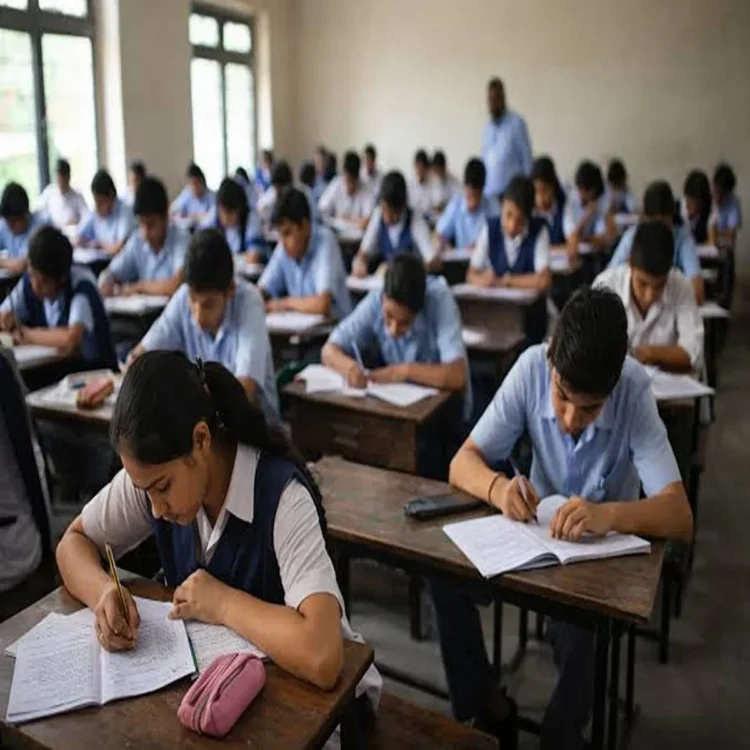
The Delhi government has launched a citywide reading promotion initiative across its government schools to improve students’ reading abilities and build a stronger culture of reading. The move comes a few months after the Economic Survey of Delhi 2025-26 identified major learning gaps among nearly 7.5 lakh students from Classes I to VIII and recommended several measures, including the modernisation of school libraries. The initiative also aligns with the objectives of the National Education Policy (NEP) 2020, which places significant emphasis on foundational literacy and lifelong learning.
Modern Libraries to Support Digital Learning
As part of the broader education reform plan, the government has proposed upgrading 125 government school libraries during the current academic year. These libraries will be equipped with modern learning facilities, including 20 digital devices, 20 headphones, a library kiosk, a charging cart and a printer. Officials believe that better access to digital resources will make learning more interactive while encouraging students to spend more time reading and exploring educational material.
Weekly Reading Activities Made Mandatory
In fresh directions issued by the Directorate of Education on Monday, every government school has been instructed to introduce a dedicated weekly library period for students. Schools will also conduct regular read-aloud sessions, allowing teachers and students to read books together in an engaging environment.
Another important feature of the programme is the introduction of book talks, where students will briefly present books they have completed. During these sessions, they will discuss the storyline, major characters and explain why they believe the book deserves to be read by others.
Schools to Organise Interactive Reading Events
The new guidelines encourage schools to go beyond traditional classroom learning by organising reading challenges, storytelling competitions, reading buddy programmes and book review writing activities. These events are expected to make reading more enjoyable while improving communication and comprehension skills among children.
To further promote interest in literature, each school will highlight one author every month through book displays, themed collections and classroom discussions. Every classroom will also feature a reading wall where students can display their favourite book quotations or illustrations inspired by the books they have read.
Parents Encouraged to Join Children’s Reading Journey
The education department has also placed considerable emphasis on family participation in children’s reading habits. Schools have been instructed to organise quarterly reading workshops for parents and encourage families to spend at least 10 minutes reading together every day at home.
Officials believe that regular parental involvement can reinforce classroom learning and help children develop consistent reading routines beyond school hours.
Librarians Given Expanded Responsibilities
Under the new framework, librarians will play a more active role in supporting students. They have been directed to prominently display newly added books, issue at least two books every week to each student, maintain detailed reading records and provide additional guidance to children who are hesitant or struggling to read regularly.
Schools will also organise an annual Character Dress-up Day, during which students will dress as well-known literary characters and introduce their roles before classmates.
Regular Monitoring to Ensure Implementation
According to the Directorate of Education, implementation of the reading programme will be monitored through routine school inspections and monthly review meetings. Heads of schools will be responsible for ensuring that all prescribed activities are conducted effectively.
The latest initiative reflects earlier efforts to strengthen reading skills in Delhi government schools. In 2016, the previous AAP government had launched the “Every Child Can Read” campaign for students in Classes VI to VIII, supported by community-based Reading Melas organised with the help of School Management Committee members.