
Education – NCERT Director Initiates Probe Into Textbook Approval Process
Education – The head of India’s national textbook body has begun an internal review after controversial content in a middle school Social Science book drew sharp criticism from the country’s highest court.
NCERT Reviews Textbook Preparation Process
National Council of Educational Research and Training Director Dinesh Prashad Saklani has initiated an inquiry into how a disputed section found its way into a Class 8 Social Science textbook. According to sources familiar with the development, the review will examine the chain of decisions involved in drafting and approving the material. The exercise is expected to determine whether procedural lapses or individual oversights led to what officials described as a serious misjudgment.
The inquiry, sources added, will be conducted with strict oversight to ensure that similar incidents do not recur. The objective is to assess both the editorial workflow and the role of committees responsible for final clearance of the textbook content.
Supreme Court Intervenes Over Content
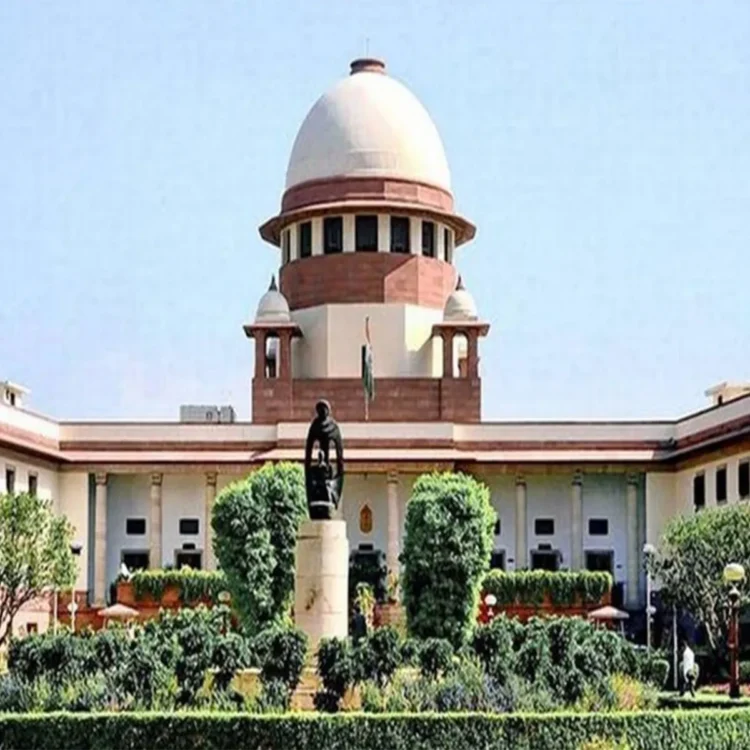
The issue escalated after the inclusion of a sub-chapter titled “Corruption in the judiciary” triggered objections. The Supreme Court of India took suo motu cognisance of the matter and expressed strong disapproval. A bench led by Chief Justice of India Justice Surya Kant issued notices to the Secretary of the Department of Education and Literacy and to the NCERT Director, seeking explanations on whether the material amounted to grounds for action under contempt provisions or other applicable laws.
The apex court also directed that the contentious section be put on hold with immediate effect. In addition, it called for details of the panel and review mechanism that cleared the chapter before publication.
Legal observers note that the court’s swift intervention underscores the sensitivity of institutional credibility and the standards expected in school-level educational material.
Distribution Halted, Apology Issued
Following the court’s remarks, NCERT suspended further distribution of the textbook. The council issued a formal statement expressing regret over the episode and confirmed that the content would be revisited through due consultation with subject experts. Officials indicated that revisions would be made after a thorough academic and legal review to ensure that the final material meets established guidelines.
The council has maintained that textbooks undergo multiple rounds of scrutiny before approval. However, the present controversy has raised questions about the robustness of those checks, particularly in chapters dealing with constitutional institutions.
Political Leaders React
The development has also prompted responses from political leaders across parties. Congress Member of Parliament Jairam Ramesh supported the court’s intervention and criticised what he described as changes in school textbooks over the past decade. He alleged that ideological considerations had influenced revisions and called for a comprehensive investigation into the approval process.
From the Biju Janata Dal, MP Sasmit Patra described the disputed content as inappropriate and said accountability must extend beyond merely withdrawing the books. He emphasised the need for safeguards to prevent similar issues from surfacing in the future.
Concerns Raised by Legal Fraternity
Members of the legal community have also weighed in. Senior Advocate Pinky Anand termed the inclusion problematic and questioned the intent behind framing the subject in that manner. Advocate Ashwini Upadhyay argued that discussions around corruption should be broad-based and not focused exclusively on one branch of governance.
Meanwhile, All India Bar Association Chairman Adish C Aggarwala described the episode as a significant lapse in editorial judgment and said the court’s response was appropriate under the circumstances.
Broader Implications for Curriculum Oversight
The controversy has reopened debate over how school textbooks address sensitive topics related to democratic institutions. Education policy experts note that while civic awareness and critical thinking are essential components of modern curricula, they must be handled with balance and clarity, particularly for younger students.
As the internal review progresses, attention will remain focused on whether structural changes are introduced in the textbook development process. For now, the matter stands at the intersection of education policy, judicial scrutiny, and public accountability.