
Diplomacy – Congress Questions Impact of Islamabad Peace Accord on India
Diplomacy – The Congress on Thursday launched a sharp attack on the Union government after the signing of the United States-Iran peace agreement, arguing that the document’s designation as the “Islamabad Memorandum of Understanding” highlights Pakistan’s increasing diplomatic relevance and raises concerns about India’s position in the region.
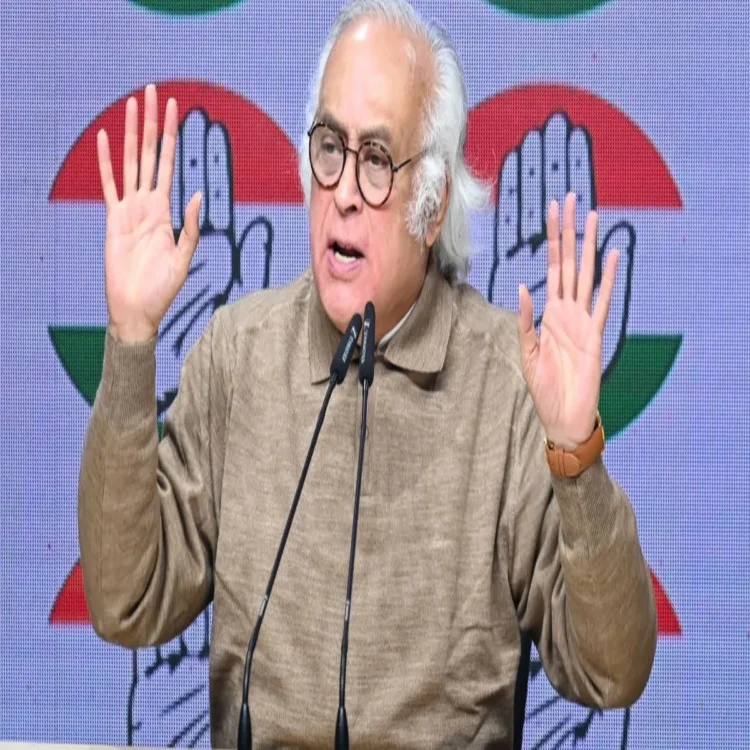
According to Congress general secretary Jairam Ramesh, the 14-point agreement between Washington and Tehran has now been formally made public. He said the choice of Islamabad as the agreement’s identifying location reflects Pakistan’s growing profile in international affairs and regional diplomacy.
Congress Raises Questions on Foreign Policy
Reacting to the development, Ramesh stated that Pakistan, which had faced significant diplomatic isolation following the 2008 Mumbai terror attacks, now appears to have secured a stronger role in global discussions. He claimed that the latest development reflects a shift in regional dynamics and represents a challenge for India’s foreign policy approach under Prime Minister Narendra Modi.
Ramesh argued that Pakistan’s deeper involvement in strategic and security matters concerning West Asia could have long-term implications for India. He suggested that the evolving geopolitical landscape warrants careful assessment by New Delhi.
Agreement Seen as Significant Diplomatic Move
The Congress leader described the memorandum as an important diplomatic breakthrough if its provisions are implemented effectively by all parties involved. However, he also cautioned that the success of the agreement would depend on how faithfully both sides adhere to its commitments over the coming weeks.
He noted that the next two months could prove crucial in determining whether the understanding leads to lasting stability or encounters obstacles that undermine its objectives.
Iran’s Position Strengthened, Says Ramesh
Commenting on the contents of the agreement, Ramesh said Iran appears to have secured several notable benefits. He argued that Tehran’s ability to withstand sustained pressure had strengthened its negotiating position and helped it achieve outcomes that many observers may not have anticipated.
According to him, the agreement reflects Iran’s resilience during a period of heightened regional tensions and prolonged diplomatic confrontation.
Gulf Nations Watching Developments Closely
Ramesh also referred to the reaction of Gulf Cooperation Council countries, saying their response has been measured and cautious. While welcoming efforts aimed at reducing tensions, he suggested that several regional governments may now reassess aspects of their foreign relations and strategic partnerships in light of the agreement.
He pointed out that countries in the Gulf had been directly affected by regional instability and would closely monitor how the memorandum is implemented.
Criticism of Israel and Regional Conflict Strategy
The Congress leader further claimed that the agreement represents a setback for Israeli Prime Minister Benjamin Netanyahu. He argued that the diplomatic outcome could leave Israel facing increased international scrutiny, although he noted that future developments could still influence the agreement’s trajectory.
Ramesh also criticised Prime Minister Modi’s continued support for Israel’s actions in the region, including developments in Gaza, Lebanon and the West Bank. He alleged that India’s current stance has affected the country’s broader diplomatic interests.
Debate Over Military and Diplomatic Approaches
Addressing the wider implications of the accord, Ramesh said the agreement demonstrates the limitations of military solutions in resolving complex international disputes. He contended that the objectives pursued through conflict had not been fully achieved and that diplomacy ultimately played the decisive role.
He also criticised the government’s engagement with the United States, alleging that New Delhi’s approach towards Washington has not adequately protected India’s strategic interests.
Pakistan Announces Historic Agreement
The remarks came after US President Donald Trump signed an agreement with Iran that reportedly includes measures to reduce Tehran’s stockpile of highly enriched uranium and provides for the lifting of US-backed sanctions, enabling the country to resume oil exports.
Pakistan Prime Minister Shehbaz Sharif announced the development through a social media post, describing the Islamabad Memorandum of Understanding as a historic agreement. He said the document had been electronically signed by the presidents of both countries and endorsed by Pakistan in its role as mediator.
Sharif stated that the agreement reflects a commitment by both sides to pursue a diplomatic settlement and confirmed that it would take effect immediately. He added that Iran would reopen the Strait of Hormuz while the United States would lift its naval blockade as part of the initial implementation process.