
Democracy – Panchayati Raj Day Highlights Grassroots Governance and Rural Empowerment
Democracy – India marked National Panchayati Raj Day on Friday, with leaders highlighting the importance of local self-governance in strengthening democracy. Senior Congress leader Mallikarjun Kharge extended his greetings, calling Panchayati Raj institutions the backbone of participatory governance and a vital link between citizens and the state.
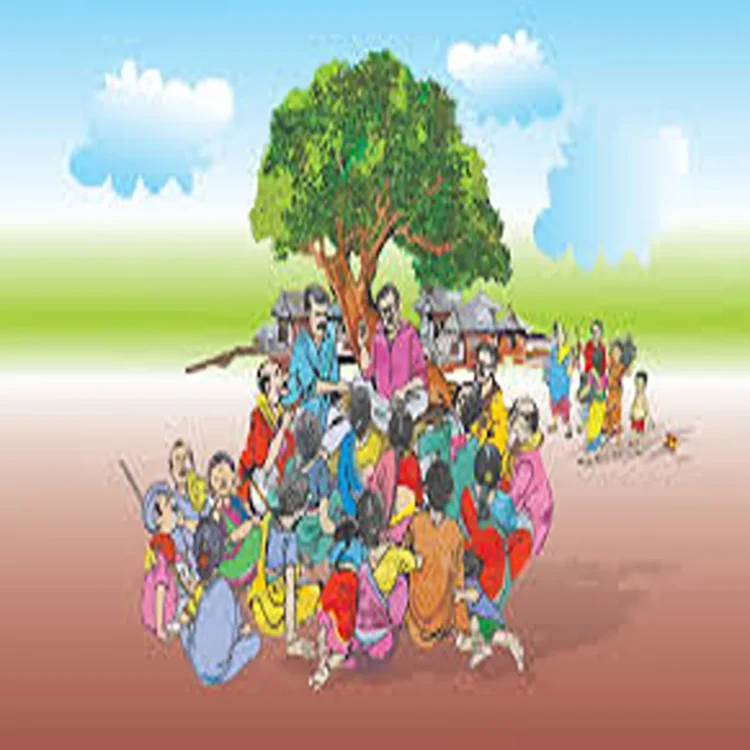
Emphasis on Grassroots Democracy
In his message, Mallikarjun Kharge underlined that true democratic strength lies in India’s villages. He stressed that empowering rural communities remains essential for inclusive national progress. Referring to the long-standing vision of decentralised governance, he reiterated his party’s support for the idea of Gram Swaraj, originally advocated by Mahatma Gandhi and later supported by Vinoba Bhave.
Kharge also acknowledged the role of Rajiv Gandhi in institutionalising local governance through constitutional reforms, which significantly expanded democratic participation at the village level.
Historical Significance of the 73rd Amendment
National Panchayati Raj Day is observed annually on April 24 to commemorate the implementation of the 73rd Constitutional Amendment Act in 1993. This landmark legislation granted constitutional status to Panchayati Raj Institutions, formally recognising them as units of self-governance.
The amendment is widely seen as a major step toward decentralisation, allowing local bodies to play a more direct role in decision-making and development planning. It also ensured regular elections, defined powers, and established a three-tier system of governance at the village, intermediate, and district levels.
Women’s Participation in Local Governance
Highlighting another key aspect of the reform, Kharge pointed to the reservation policy introduced for women in Panchayati Raj institutions. At least one-third of seats were set aside for women, with several states later increasing this quota to 50 percent.
This move has enabled a large number of women—estimated at around 1.5 million—to take part in grassroots politics. According to Kharge, this has not only strengthened democratic representation but also encouraged broader social change by giving women a stronger voice in decision-making processes.
Official Recognition and Annual Observance
The day was officially designated as National Panchayati Raj Day in 2010 during the tenure of former Prime Minister Manmohan Singh. Since then, it has been observed nationwide to recognise the role of local bodies in governance and development.
This year marks 33 years since the constitutional amendment came into force. The 2026 theme, “Sashakt Panchayat, Sarvangeen Vikas,” focuses on strengthening local institutions to achieve comprehensive and balanced development across regions.
National-Level Celebrations in New Delhi
The Ministry of Panchayati Raj is hosting the main national event at Vigyan Bhawan in New Delhi. A message from Prime Minister Narendra Modi will be shared during the programme, addressing representatives from Panchayati Raj institutions across states and Union Territories.
The event will also see the participation of Union Minister of State for Panchayati Raj S. P. Singh Baghel, along with senior officials including Secretary Vivek Bharadwaj. Elected representatives from states such as Uttar Pradesh, Uttarakhand, and Haryana are expected to attend the समारोह, reflecting the diversity and scale of grassroots governance in India.
Nationwide Participation and Local Engagement
Across the country, the occasion is being observed at multiple levels, including states, districts, blocks, and villages. Gram Sabha meetings are being held to encourage community participation and reinforce democratic engagement at the local level.
These gatherings provide citizens with an opportunity to voice concerns, review development initiatives, and participate directly in decision-making processes. The continued focus on Panchayati Raj institutions highlights their role in bridging governance gaps and ensuring that development efforts reach the grassroots.
As India continues to evolve as a democracy, the emphasis on local governance remains central to achieving inclusive growth and ensuring that every citizen has a voice in shaping the nation’s future.
Tags:
Democracy – Panchayati Raj Day Highlights Grassroots Governance and Rural Empowerment
Local governance reforms and rural development initiatives in India –
India marked National Panchayati Raj Day on Friday, with leaders highlighting the importance of local self-governance in strengthening democracy. Senior Congress leader Mallikarjun Kharge extended his greetings, calling Panchayati Raj institutions the backbone of participatory governance and a vital link between citizens and the state.
Emphasis on Grassroots Democracy
In his message, Mallikarjun Kharge underlined that true democratic strength lies in India’s villages. He stressed that empowering rural communities remains essential for inclusive national progress. Referring to the long-standing vision of decentralised governance, he reiterated his party’s support for the idea of Gram Swaraj, originally advocated by Mahatma Gandhi and later supported by Vinoba Bhave.
Kharge also acknowledged the role of Rajiv Gandhi in institutionalising local governance through constitutional reforms, which significantly expanded democratic participation at the village level.
Historical Significance of the 73rd Amendment
National Panchayati Raj Day is observed annually on April 24 to commemorate the implementation of the 73rd Constitutional Amendment Act in 1993. This landmark legislation granted constitutional status to Panchayati Raj Institutions, formally recognising them as units of self-governance.
The amendment is widely seen as a major step toward decentralisation, allowing local bodies to play a more direct role in decision-making and development planning. It also ensured regular elections, defined powers, and established a three-tier system of governance at the village, intermediate, and district levels.
Women’s Participation in Local Governance
Highlighting another key aspect of the reform, Kharge pointed to the reservation policy introduced for women in Panchayati Raj institutions. At least one-third of seats were set aside for women, with several states later increasing this quota to 50 percent.
This move has enabled a large number of women—estimated at around 1.5 million—to take part in grassroots politics. According to Kharge, this has not only strengthened democratic representation but also encouraged broader social change by giving women a stronger voice in decision-making processes.
Official Recognition and Annual Observance
The day was officially designated as National Panchayati Raj Day in 2010 during the tenure of former Prime Minister Manmohan Singh. Since then, it has been observed nationwide to recognise the role of local bodies in governance and development.
This year marks 33 years since the constitutional amendment came into force. The 2026 theme, “Sashakt Panchayat, Sarvangeen Vikas,” focuses on strengthening local institutions to achieve comprehensive and balanced development across regions.
National-Level Celebrations in New Delhi
The Ministry of Panchayati Raj is hosting the main national event at Vigyan Bhawan in New Delhi. A message from Prime Minister Narendra Modi will be shared during the programme, addressing representatives from Panchayati Raj institutions across states and Union Territories.
The event will also see the participation of Union Minister of State for Panchayati Raj S. P. Singh Baghel, along with senior officials including Secretary Vivek Bharadwaj. Elected representatives from states such as Uttar Pradesh, Uttarakhand, and Haryana are expected to attend the समारोह, reflecting the diversity and scale of grassroots governance in India.
Nationwide Participation and Local Engagement
Across the country, the occasion is being observed at multiple levels, including states, districts, blocks, and villages. Gram Sabha meetings are being held to encourage community participation and reinforce democratic engagement at the local level.
These gatherings provide citizens with an opportunity to voice concerns, review development initiatives, and participate directly in decision-making processes. The continued focus on Panchayati Raj institutions highlights their role in bridging governance gaps and ensuring that development efforts reach the grassroots.
As India continues to evolve as a democracy, the emphasis on local governance remains central to achieving inclusive growth and ensuring that every citizen has a voice in shaping the nation’s future.