
Delhi : Wrapped in Dense Fog as Severe Air Pollution and Cold Wave Disrupt Daily Life
Delhi: A thick blanket of fog covered the national capital on Monday morning, creating challenging conditions for residents and commuters alike. Visibility dropped sharply across multiple locations as winter intensified its grip on the city. The combination of dense fog, extreme air pollution, and cold wave conditions made travel and outdoor activities difficult, while authorities remained on alert due to the worsening environmental situation.
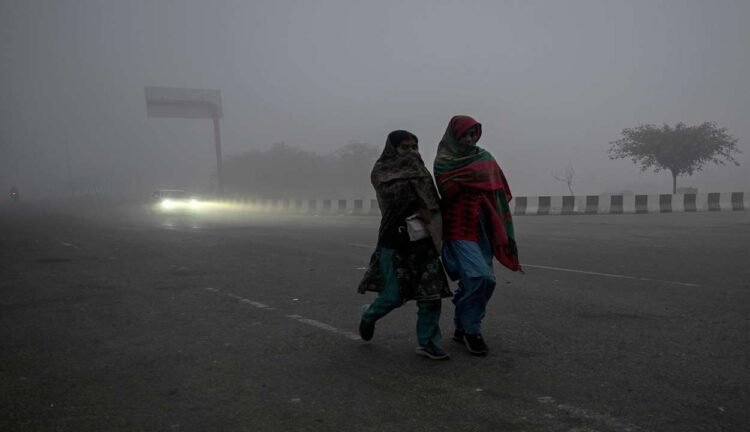
Foggy Mornings and Reduced Visibility Across the Capital
Several prominent areas of the city experienced persistent fog throughout the morning hours. The haze lingered over roads and public spaces, significantly reducing visibility and slowing down traffic movement. Commuters reported difficulties during early morning travel, especially in areas with heavy vehicular flow. The fog was not limited to one zone, as multiple parts of the city witnessed similar conditions, indicating a widespread weather pattern rather than a localized issue.
Severe Air Quality Raises Health Concerns
Alongside the fog, air pollution levels reached alarming highs. According to official data, the Air Quality Index crossed the threshold that defines severe conditions. Such elevated pollution levels pose serious health risks, particularly for children, the elderly, and individuals with respiratory or cardiovascular conditions. Prolonged exposure can lead to symptoms such as irritation in the eyes, coughing, breathing difficulties, and fatigue, prompting health experts to advise people to limit outdoor exposure.
Implementation of Emergency Pollution Control Measures
In response to the deteriorating air quality, authorities enforced the highest stage of pollution control measures under the Graded Response Action Plan. These emergency restrictions aim to curb further emissions by limiting construction activities, regulating industrial operations, and reducing vehicular pollution. The measures are designed to provide immediate relief, although their effectiveness largely depends on weather conditions and public cooperation.
Understanding Air Quality Index Categories
The Air Quality Index serves as a standardized measure to communicate how polluted the air currently is and how harmful it can be to human health. Lower values indicate cleaner air, while higher numbers signal increasing levels of pollution. Readings above the severe threshold are considered extremely hazardous, often triggering emergency actions and public health advisories. Such classifications help citizens better understand the seriousness of the situation and encourage preventive behavior.
Impact on Flight Operations and Transportation
The adverse weather conditions also disrupted air travel. Low visibility caused by dense fog led to delays in several flight operations at the city’s main airport. Pilots and air traffic controllers had to rely on specialized landing procedures to ensure safety. Passengers were advised to check flight schedules in advance, as delays and rescheduling became more frequent during the morning hours. Road and rail transportation also experienced slower movement due to reduced visibility.
Cold Wave Conditions Add to Winter Challenges
The cold wave accompanying the fog made the mornings particularly harsh. Temperatures dipped to levels that intensified the chill factor, especially during early hours. Although daytime temperatures were relatively higher than seasonal averages, the contrast between cold mornings and milder afternoons created discomfort. Light northeasterly winds contributed to the cold sensation, especially in open areas and during night-time hours.
Weather Outlook for Delhi NCR Region
Meteorological forecasts suggest that winter conditions are likely to persist in the coming days. A partly cloudy sky is expected, with moderate fog in many areas and dense fog in isolated locations during morning hours. Minimum temperatures are predicted to remain in the lower range, while maximum temperatures may stay above normal for this time of year. Such conditions indicate that fog and pollution-related challenges may continue unless favorable weather patterns bring relief.
Public Advisory and Preventive Measures
Residents are advised to take necessary precautions to protect their health. Using masks, avoiding prolonged outdoor exposure, staying hydrated, and following official advisories can help reduce health risks. Commuters should plan travel carefully, allow extra time, and stay informed about traffic and flight updates. Collective awareness and responsible behavior remain crucial during periods of severe environmental stress.
As winter deepens, the combined effects of fog, cold weather, and pollution continue to test the resilience of the city. Long-term solutions, along with immediate preventive measures, are essential to mitigate the recurring challenges faced each year during this season.