
Delhi Lakshmi Yojana – Delhi Begins Rs 2,500 Monthly Assistance Scheme for Women
Delhi Lakshmi Yojana – The Delhi government has officially launched its flagship Delhi Lakshmi Yojana, introducing a monthly financial assistance programme designed to support women from economically weaker households across the national capital.
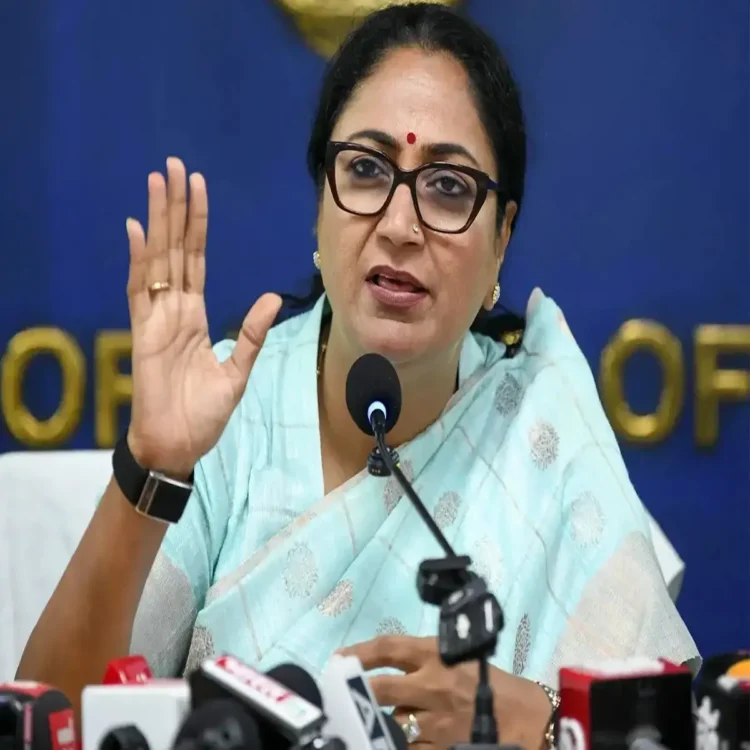
The Delhi government, led by Chief Minister Rekha Gupta, has launched the Delhi Lakshmi Yojana, one of its major welfare programmes aimed at improving financial security for eligible women. Under the scheme, qualified beneficiaries will receive Rs 2,500 every month. Following the official rollout, women meeting the eligibility conditions can submit their applications through a dedicated online portal, which has been introduced to simplify registration and speed up the approval process.
Budget Allocation and Expected Coverage
To ensure smooth implementation, the government has allocated Rs 5,110 crore for the Delhi Lakshmi Yojana in the 2026-27 Budget. Officials estimate that more than 17 lakh women are likely to benefit once the scheme is fully implemented across the city. The administration expects the digital application system to help process requests efficiently while maintaining transparency throughout the selection process.
Eligibility Criteria for Applicants
The scheme is open to women aged between 21 and 60 years whose family income does not exceed Rs 2.5 lakh annually. The financial assistance has been targeted at households requiring economic support, with the government setting specific conditions to identify eligible beneficiaries.
However, certain groups have been kept outside the scheme’s coverage. Women who pay income tax, file GST returns, work as government employees, or already receive financial benefits under other government welfare programmes will not qualify. The government has framed these conditions to ensure that assistance reaches those considered most in need.
Categories Excluded From the Scheme
Additional restrictions have also been included in the eligibility guidelines. Families owning a four-wheeler, consuming more than 2,400 units of electricity in a year, or having members employed in government departments or Public Sector Undertakings will not be eligible for benefits.
The scheme further excludes women who have more than three living children or those with a criminal record. These conditions form part of the government’s verification process before applications are approved.
Two Payment Options for Beneficiaries
Eligible women will have the flexibility to choose how they receive the monthly financial assistance. Under one option, Rs 1,500 will be deposited every month into a recurring deposit or fixed deposit account, while the remaining Rs 1,000 will be credited to a Central Bank Digital Currency (CBDC) wallet. The amount available in the digital wallet can be used for approved essential purchases.
Alternatively, beneficiaries who prefer not to use the CBDC wallet can opt to receive the complete Rs 2,500 every month directly into their recurring deposit or fixed deposit account.
Wider Social Welfare Objectives
Beyond direct financial support, the Delhi Lakshmi Yojana has been designed to encourage participation in several government welfare initiatives. The programme promotes school enrolment, creation of APAAR and ABHA identification numbers, timely vaccination, registration on the POSHAN Tracker, and involvement in public campaigns such as Ek Ped Maa Ke Naam and the Swachh Bharat Abhiyan.
The government also aims to encourage women to join self-help groups and participate in skill development programmes, helping improve long-term economic opportunities alongside monthly financial assistance.
Online Application and Verification Process
Applications will be accepted exclusively through the official Delhi Lakshmi Yojana portal. Once submitted, district-level committees will examine documents, verify eligibility, approve qualified applications, and handle grievances raised by applicants. The government says this multi-level scrutiny process is intended to ensure fair implementation and transparency in distributing benefits under the scheme.