
Defence – INS Taragiri Induction Boosts India’s Naval Strength and Readiness
Defence – India has taken another significant step in strengthening its naval capabilities with the induction of a new advanced warship into its fleet.
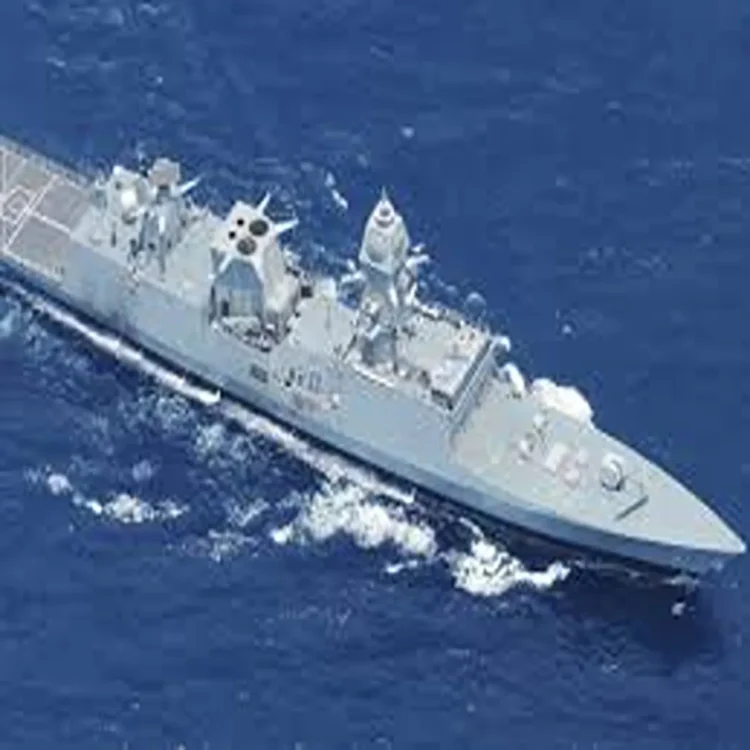
India’s maritime defence received a major boost on Friday as the Indian Navy formally commissioned INS Taragiri, an advanced stealth frigate, into active service. The ceremony, held in Visakhapatnam, marked an important milestone in the country’s efforts to enhance its operational readiness and expand its naval reach in strategically vital waters.
Strengthening Naval Capabilities
Speaking at the event, Navy Chief Admiral Dinesh K Tripathi underlined the importance of the induction, noting that it reflects the Navy’s commitment to maintaining a force that is prepared for present and future challenges. He highlighted that over the past year, the Navy has added multiple platforms to its fleet, including several ships, a submarine, and an aircraft squadron.
According to him, INS Taragiri will significantly improve the Navy’s ability to respond swiftly and effectively across different operational scenarios. Its advanced systems and combat capabilities are expected to enhance both presence and surveillance in key maritime zones.
Focus on Self-Reliance
A key feature of INS Taragiri is its high level of indigenous content, exceeding 75 percent. This reflects India’s growing emphasis on self-reliance in defence manufacturing. Officials pointed out that the ship was completed in less time compared to similar vessels, demonstrating improved efficiency in domestic shipbuilding processes.
Built by Mazagon Dock Shipbuilders Limited in Mumbai, the warship showcases the progress made by Indian shipyards and associated industries. More than 200 small and medium enterprises contributed to the project, supporting employment and strengthening the broader defence ecosystem.
Advanced Features and Design
INS Taragiri belongs to the Project 17A class of stealth frigates and represents a significant upgrade over earlier designs. With a displacement of around 6,670 tonnes, the vessel is equipped with modern weapon systems and sensors that allow it to operate effectively in complex environments.
One of its defining characteristics is its reduced radar signature, which enhances its stealth capabilities. This enables the ship to operate with greater tactical advantage, making it harder to detect during operations. The improved design also ensures better survivability and mission flexibility.
Strategic Importance of Eastern Seaboard
The commissioning of the warship comes at a time when India’s eastern coastline is gaining increasing strategic importance. Changing regional dynamics and India’s growing engagement in the Indo-Pacific have made it essential to maintain a strong and capable naval presence in the region.
INS Taragiri is expected to play a crucial role in supporting operations across this area, contributing to maritime security and safeguarding national interests.
Navy’s Role in National Security
Defence Minister Rajnath Singh, who attended the ceremony, emphasised the Indian Navy’s critical responsibility in protecting the country’s maritime interests. He noted that the Navy ensures the safety of vital sea lanes, commercial shipping routes, and energy supplies, especially during periods of heightened tension.
He also highlighted the Navy’s consistent presence across key regions, stretching from the Persian Gulf to the Malacca Strait. In addition to defence operations, the Navy remains actively involved in humanitarian missions and evacuation efforts during emergencies.
A Step Toward Future Readiness
The induction of INS Taragiri is part of a broader effort to modernise the Navy’s fleet and enhance its combat capabilities. Officials described it as not just another addition, but a reflection of India’s growing technological strength and long-term strategic vision.
As India continues to expand its maritime footprint, the addition of such advanced platforms is expected to play a vital role in ensuring security, stability, and readiness in an increasingly complex global environment.