
Chandni Chowk – Delhi Plans Heritage-Led Upgrade for Historic Market
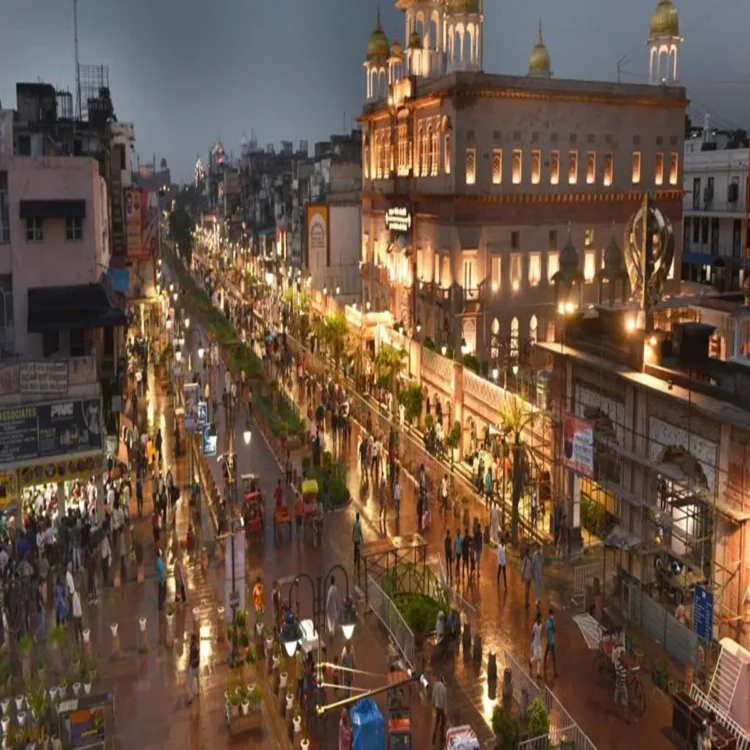
Chandni Chowk – Delhi’s government has begun planning a fresh redevelopment push for Chandni Chowk, the centuries-old commercial corridor that remains central to the identity and economy of Old Delhi. The project aims to improve public facilities and visitor movement while protecting the historic character of one of India’s best-known markets.
Historic Market at the Centre of the Plan
Running for roughly 1,400 yards between the Red Fort and Fatehpuri Mosque, Chandni Chowk has been a key part of Delhi’s urban landscape for nearly four centuries. It was developed after Mughal emperor Shah Jahan established Shahjahanabad in the mid-17th century.
The avenue is widely associated with Jahanara Begum, Shah Jahan’s daughter, who is believed to have designed it as a broad market street with a canal through the middle. A pool that reflected moonlight reportedly gave the area its name, Chandni Chowk, or Moonlight Square.
Over time, the original mansions and residential buildings gave way to shops, storage spaces, offices and hotels. The market is now known for wholesale trade, textiles, jewellery, spices, traditional food outlets and historic lanes such as Paranthe Wali Gali.
Government Renames Redevelopment Body
Chief Minister Rekha Gupta has renamed the Shahjahanabad Redevelopment Corporation as the Indraprastha Virasat Punarvikas Nigam. The body was established to oversee conservation and redevelopment work in Old Delhi, where heritage structures coexist with dense commercial activity and residential neighbourhoods.
Officials said Old Delhi occupies only about 7.12 square kilometres but includes a UNESCO World Heritage Site, several nationally and state-protected monuments, and more than 700 locally protected heritage locations. The area’s historical value, they said, makes conservation an important part of any development initiative.
Focus on Facilities and Visitor Movement
The Chief Minister has asked officials to speed up redevelopment work in Chandni Chowk while retaining its traditional appearance and cultural significance. The plan includes modern public toilet complexes, improved civic services and organised parking arrangements for the large number of daily visitors.
Chandni Chowk receives lakhs of people each day, including traders, shoppers, tourists and devotees visiting nearby religious sites. Its narrow lanes regularly face pressure from pedestrians, cycle rickshaws, delivery vehicles and commercial traffic. Limited parking and insufficient public amenities have added to the difficulties faced by visitors and local businesses.
Officials have also been directed to establish a tourist assistance and control room in the market. The proposed facility is expected to provide information, guidance and quick support to visitors from India and overseas.
Town Hall Restoration to Support Tourism
During a review of the Town Hall restoration project, Gupta instructed officials to create a major entry and exit point from the Chandni Chowk side. The move is intended to improve access to the landmark and strengthen its role as a heritage attraction.
The government has said development work in Old Delhi will not be limited to roads and infrastructure. Heritage protection, tourism, trade, sanitation, public services and environmental considerations will be addressed together through an integrated plan.
Wider Development Plans for Old Delhi
The Chief Minister also sought a detailed blueprint for the Hanuman Temple at Yamuna Bazaar and the area behind it. Separate redevelopment and beautification proposals have been requested for the Jama Masjid area and Syama Prasad Mookherjee Marg near Old Delhi Railway Station.
The administration has stressed that Chandni Chowk is not only a heritage zone but also an active marketplace dependent on traders, shopkeepers and local enterprises. Any redevelopment effort, officials said, will need to account for the needs of businesses that have operated in the area for generations.
The proposed transformation seeks to make Chandni Chowk cleaner, more accessible and better prepared for future demand without weakening the historical identity that has defined the market for centuries.