
Black-Necked Crane – Ladakh to Host India’s First Conservation Festival for Rare Bird
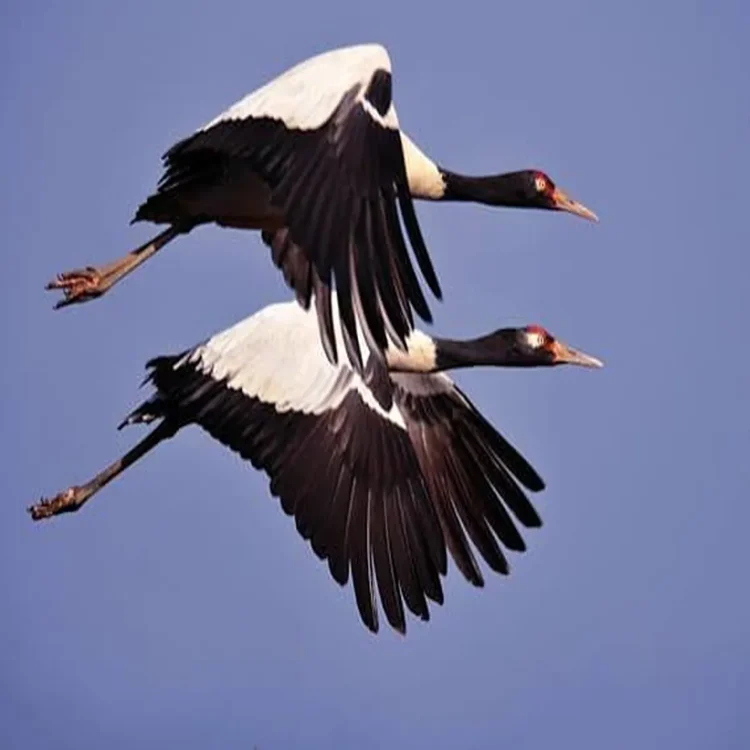
Black-Necked Crane – The Union Territory of Ladakh is set to host India’s first-ever Black-Necked Crane Festival from August 11 to August 14, marking a significant step toward promoting wildlife conservation and protecting one of the country’s rarest bird species. The announcement was made on Friday by Lieutenant Governor Vinai Kumar Saxena, who described the initiative as a tribute to Ladakh’s exceptional biodiversity and the region’s long-standing commitment to environmental preservation.
Festival to Blend Nature, Culture and Conservation
Sharing the announcement on social media, the Lieutenant Governor said the four-day event will take place across Leh, Tso Kar and Hanle. The festival is designed to bring together conservation experts, birdwatchers, local communities and visitors through activities focused on ecological awareness, cultural traditions and responsible tourism. According to him, the programme aims to strengthen public participation in safeguarding the world’s only alpine crane and preserving the fragile ecosystems where it survives.
He also called upon people to contribute to the protection of Ladakh’s unique natural landscapes so that future generations can continue to benefit from the region’s rich environmental heritage.
Rare Bird Holds Special Place in Ladakh
The Black-Necked Crane is the official state bird of Ladakh and is regarded as one of the region’s most treasured wildlife species. Beyond its ecological importance, the bird occupies a respected place in local traditions, where it is widely associated with prosperity and good fortune.
Ladakh remains the only part of India where the species breeds successfully. Every year, the cranes arrive during March and April to nest in the high-altitude wetlands of the Changthang region. Their preferred breeding locations include Tso Kar, Tso Moriri and Hanle, which provide the marshes, shallow lakes and wetlands necessary for successful nesting.
Wetland Habitats Face Growing Challenges
The species depends on calm, shallow water bodies for nesting, usually building nests in water around 30 centimetres deep. This natural strategy helps reduce the risk of eggs being attacked by predators.
However, conservationists have identified several challenges affecting the breeding success of these birds. Increasing numbers of feral dogs, heavy livestock grazing and disturbances caused by tourism during the nesting season continue to place pressure on their habitat. Protecting these sensitive wetland ecosystems has therefore become a priority for wildlife authorities and local conservation groups.
Strong Cultural Connection with Local Communities
Known locally as “cha thung-thung,” the Black-Necked Crane has deep cultural significance across Ladakh. Residents consider the bird sacred, and local folklore holds that seeing a pair of cranes is a sign of good fortune and prosperity.
Its graceful courtship displays have also influenced Ladakhi cultural traditions. The elegant movements of the bird are believed to have inspired the region’s traditional “Chartses” folk dance, highlighting the close relationship between local communities and their natural surroundings.
Festival Aims to Build Public Awareness
Officials believe the newly launched festival will serve as an important platform to increase awareness about the need to protect the crane’s breeding grounds. By combining conservation efforts with community participation, cultural programmes and educational activities, the event seeks to encourage long-term support for preserving Ladakh’s unique wildlife and delicate high-altitude wetlands.
The initiative is expected to strengthen conservation efforts while promoting responsible tourism that respects the region’s ecological balance and its globally significant biodiversity.