
Crime – Delhi Police Arrest Man Linked to Nationwide Hoax Threat Emails
Crime – The arrest of a 47-year-old man accused of orchestrating a large-scale hoax threat campaign has brought renewed attention to cybersecurity vulnerabilities and the misuse of digital communication platforms in India. Authorities believe the suspect, identified as Srinivas Lewis, may be behind a wave of threatening emails that caused panic across several cities, including Mumbai.
Arrest Following Coordinated Operation
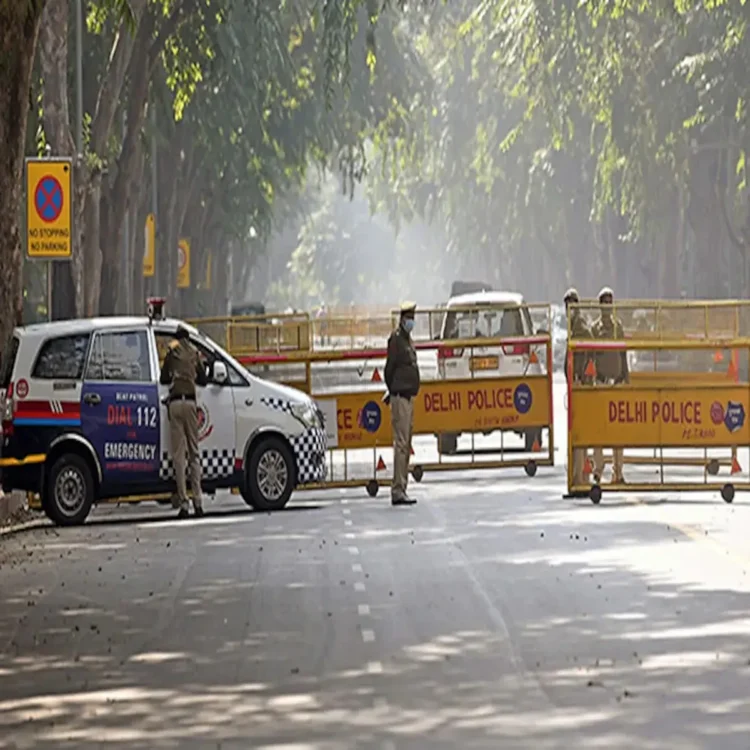
Delhi Police confirmed on Monday that Lewis was apprehended in Mysuru, Karnataka, after a coordinated operation. Investigators described him as a key figure in a series of fake bomb threats that disrupted public life and strained law enforcement resources across multiple regions.
Officials stated that the arrest followed extensive tracking of digital footprints and communication patterns. The operation marked a significant development in an investigation that has been ongoing for several months.
Mumbai Police Seek Custody for Further Investigation
Following the arrest, Mumbai Police have begun the process of securing Lewis’s custody to probe his possible involvement in similar incidents reported within their jurisdiction. Over the past three years, Mumbai and surrounding areas have witnessed more than 100 threatening emails, many of which forced evacuations and emergency responses.
A senior official indicated that coordination between Delhi and Mumbai authorities is underway. Investigators are currently reviewing email records, writing styles, and technical data to establish a direct link between the accused and the threats received in Mumbai.
Pattern of Threats Targeting Key Institutions
Preliminary findings suggest that the accused repeatedly sent alarming messages to sensitive and high-profile locations. These included schools, courts, legislative buildings, and government offices. Each threat triggered immediate security measures, often leading to evacuations and temporary shutdowns.
Authorities noted that many of the emails claimed the presence of explosive devices, including improvised bombs allegedly containing RDX. Despite extensive searches, all such threats were later confirmed to be false.
Notable Incidents That Sparked Panic
Among the incidents under scrutiny is an email sent on March 18 to the Regional Passport Office in Mumbai’s Bandra-Kurla Complex. The message warned of multiple cyanide gas bombs allegedly set to detonate within hours, prompting a swift evacuation and emergency response.
In another case from May 2025, the Palghar Collector’s office received a similar warning about an RDX-based attack. Such incidents contributed to widespread anxiety and repeated disruptions in administrative functioning.
Use of Multiple Identities and Digital Masking
Investigators revealed that the accused allegedly employed sophisticated methods to conceal his identity. This included the use of spoofed email addresses and multiple digital aliases. Cybercrime teams are now analyzing technical data such as IP logs, email headers, and routing information to trace the origin and verify connections to various threat messages.
Officials believe these tactics were deliberately used to mislead authorities and complicate the investigation.
Misleading References and Psychological Angle
Interestingly, several emails reportedly contained references to well-known public figures, including politicians, actors, and online personalities. Investigators suspect these references were inserted to divert attention and create confusion during the probe.
Preliminary assessments have also raised the possibility that the accused may have been experiencing psychological distress. However, officials emphasized that no conclusions have been drawn, and all aspects of the case remain under investigation.
Ongoing Investigation and Next Steps
Law enforcement agencies continue to examine the full extent of the accused’s activities. Authorities are working to determine whether all the threatening emails across different regions can be traced back to Lewis or if others may also be involved.
Further interrogation and forensic analysis are expected to provide more clarity in the coming days.