
CBI – Chargesheet alleges planned multi-state network behind NEET-UG 2026 paper leak
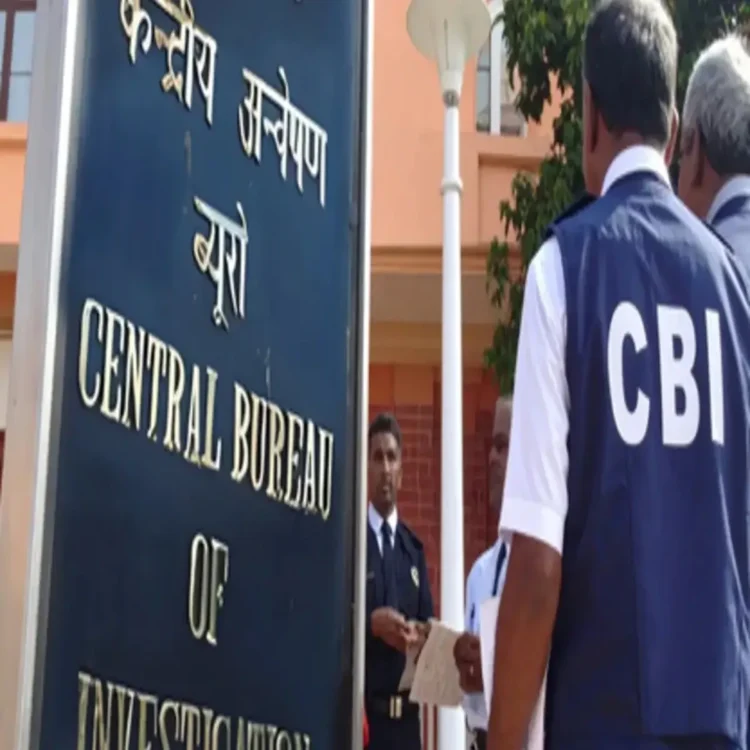
CBI – The Central Bureau of Investigation (CBI) has alleged that the leak of the NEET-UG 2026 examination paper was part of a coordinated, multi-state conspiracy involving National Testing Agency (NTA)-appointed subject experts, intermediaries, coaching operators and candidates.
Investigation points to months of preparation
According to the chargesheet filed by the central agency, the alleged operation was developed well before the examination. The CBI has claimed that certain coaching operators and middlemen established links with subject experts in advance and remained in regular contact with them during the period leading up to the examination.
The agency has alleged that these contacts were used to arrange meetings, negotiate payments and facilitate the transfer of confidential examination material. The chargesheet reportedly describes the alleged network as an organised arrangement rather than an attempt carried out shortly before the examination.
Digital platforms allegedly used to share papers
The CBI has further alleged that digital communication played an important role in the suspected paper-leak operation. According to the chargesheet, WhatsApp and Telegram were among the platforms allegedly used by members of the network to communicate and circulate examination material.
Investigators have also referred to digital files recovered during the probe. The agency has claimed that question papers were allegedly passed among intermediaries and candidates before the examination, with electronic evidence forming an important part of its case.
Experts allegedly contacted before examination
The chargesheet alleges that the NTA-appointed subject experts were brought into the alleged conspiracy several months before the NEET-UG 2026 examination. The CBI has claimed that the experts were allegedly approached to obtain access to confidential question papers.
The agency has further alleged that coaching-related individuals and intermediaries paid substantial amounts for the papers. The investigation reportedly found a chain through which the confidential material was allegedly obtained and subsequently delivered to candidates in return for large payments.
Documents allegedly used as payment security
The CBI has also highlighted the alleged use of personal and financial documents within the network. According to the chargesheet, original educational certificates, blank cheques bearing signatures and other documents were allegedly collected or exchanged as security against payments connected with the leaked examination material.
The agency has alleged that such arrangements were intended to ensure that promised payments were made after the confidential papers were delivered. These documents have reportedly been examined as part of the evidence gathered during the investigation.
Thirteen people named in chargesheet
The CBI has named 13 accused in its chargesheet, including three subject experts who had been appointed by the NTA. The agency has alleged that the accused played different roles in obtaining, facilitating, distributing or benefiting from the confidential examination material.
The chargesheet also places emphasis on evidence collected from electronic devices and communications. Investigators have examined seized devices, chat records, documents and statements from witnesses while building the case against the accused.
CBI relies on forensic and witness evidence
The agency has claimed that the combined evidence points to an alleged criminal conspiracy involving several individuals across different locations. It has also alleged misuse of official positions by public servants who were allegedly connected to the examination process.
The chargesheet is based on the CBI’s allegations and evidence presented by the investigating agency. The allegations will be subject to judicial scrutiny as the legal proceedings progress, and the accused will have the opportunity to present their defence before the court.