
CasteEquality – Mohan Bhagwat Calls for Greater Support to Inter-Caste Marriages
CasteEquality – Rashtriya Swayamsevak Sangh chief Mohan Bhagwat has urged people to move beyond caste divisions and encourage inter-caste marriages as a meaningful step toward reducing social discrimination in India.
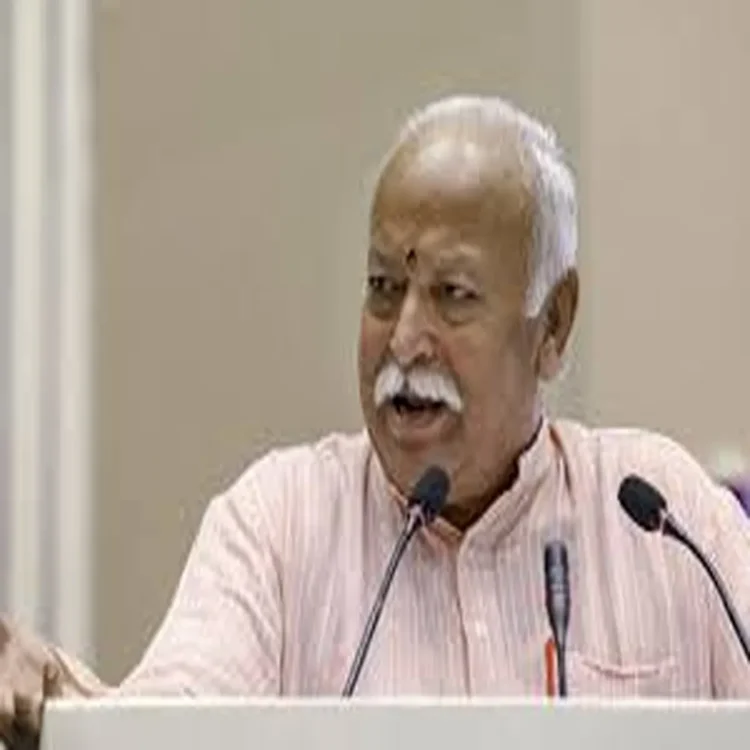
Speaking during a special lecture at JSS Mahavidyapeetha in Mysuru, Bhagwat said society itself must take responsibility for ending caste-based differences rather than depending only on constitutional or legal provisions. He stated that political parties often continue to benefit from caste identities during elections because social divisions still exist among people.
Appeal to Move Beyond Caste Identity
During his address, Bhagwat said caste should no longer influence social behaviour or public life. According to him, if society genuinely stops giving importance to caste distinctions, political leaders would also gradually stop using caste equations to attract votes.
He remarked that many politicians rely on caste-based mobilisation because it offers an easier route to electoral support than governance or development work. Bhagwat stressed that real social reform would begin only when ordinary citizens consciously reject caste discrimination in their daily lives.
He also encouraged people to support inter-caste marriages openly and view them as positive examples of social unity. Bhagwat said such marriages help break long-standing barriers and create stronger bonds across communities.
Reference to Historical Support for Inter-Caste Marriage
The RSS chief referred to an incident from Maharashtra dating back to 1942, which he described as one of the earliest known inter-caste marriages in the region. He said the couple had received congratulatory messages from both Dr. B.R. Ambedkar and former RSS Sarsanghchalak M.S. Golwalkar.
According to Bhagwat, Golwalkar had appreciated the marriage because it symbolised a larger social message rather than a personal decision alone. Bhagwat explained that Golwalkar believed such unions demonstrated that caste distinctions should not define human relationships.
By recalling this historical example, Bhagwat attempted to underline that efforts toward social equality require visible actions from individuals and communities alike.
Importance of Everyday Behaviour
Apart from discussing marriages and political issues, Bhagwat also focused on everyday conduct and language. He said discrimination is not always visible in major actions and can often appear through ordinary speech or behaviour.
He noted that several expressions commonly used in daily conversations may unknowingly carry discriminatory meanings. Bhagwat advised people to become more conscious of their words and interactions so others do not feel excluded or treated unequally.
According to him, social reform does not begin with speeches alone but through smaller personal efforts that create mutual respect among people. He added that individuals should avoid behaviour that makes others feel separate or inferior.
Focus on Social Responsibility
Bhagwat’s remarks come at a time when discussions around caste representation, social equality, and political mobilisation continue to remain important issues across the country. His speech highlighted the need for society-driven reform alongside institutional measures already in place.
He maintained that building social harmony requires consistent efforts from citizens in both personal and public spaces. Encouraging equality in relationships, communication, and behaviour, he said, can gradually reduce divisions that continue to influence social and political life.
The address in Mysuru drew attention for its emphasis on inter-caste marriages as a practical step toward reducing discrimination and creating a more inclusive society.